





The 22nd Seville Festival recovers the nominations for the European Film Awards
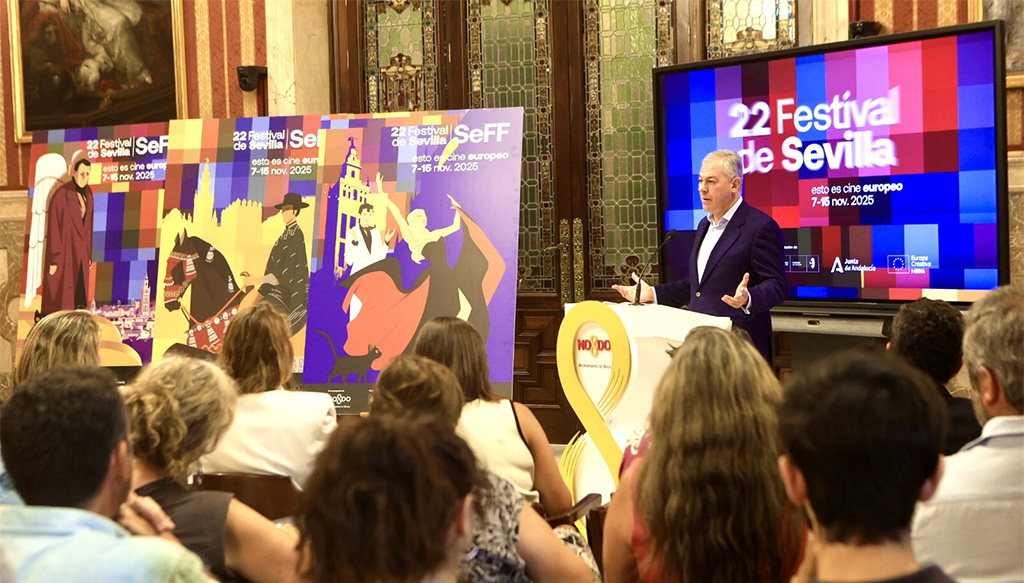
From November 7 to 15, Seville will host the 22nd edition of its Dinner Festival, an event that will pay tribute to Costa-Gavras and that recovers a milestone that amplifies its international projection: the return to the city of the official nomination reading ceremony for the European Film Academy Awards, which will take place on November 18 at the Real Alcázar.
The presentation event included the participation of the mayor of Seville, Jose Luis Sanz; the delegate of Tourism and Culture of the Seville City Council, Angie Moreno; the festival director, Manuel Cristobal, and the author of the poster for this edition, the Sevillian José Luis Ágreda, accompanied by a large representation of the sector and the film and audiovisual industry. "The Film Festival has managed to become one of the great cultural prides of our city and each year it projects us strongly towards Europe and the world; one of the clearest expressions of how Seville understands culture; as an engine of identity, creativity, openness and the future," Sanz said during his speech.
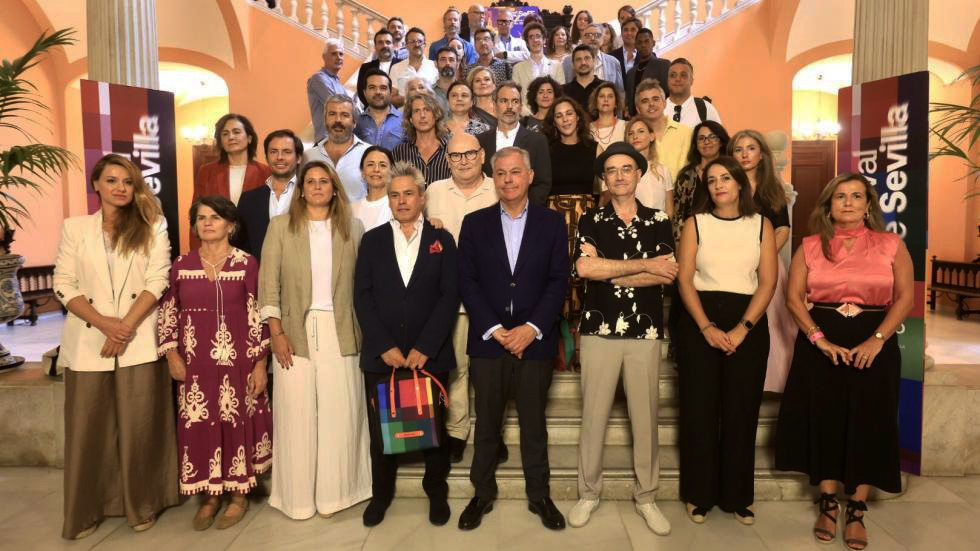 The return of the festival is marked by the recovery of the official nomination reading ceremony of the European Film Academy Awards thanks to a renewed alliance sealed with the institution. The city will host the reading every two years, having a symbolic and prominent presence in the events to be held in other European enclaves. In the words of Sanz: "Recovering this event for our city, which had been lost in 2021, has been a personal commitment of this government. It was essential that Seville was once again at the heart of the European Academy, and we have achieved it."
The Seville Festival has also advanced the programming his Official Section which, for the first time in its history, incorporates a competitive section of short films of European production of live action and animation. This fall we are taking a step back to show all the creative talent that the universe of short films houses: the ideal framework to explore unpublished narratives and catalyze innovation,” explained the director of the Seville competition.
 Among the list of advanced titles in the presentation that will compete are works such as DJ Ahmet de Georgi M. Unkovski (Macedonia); Dreams de Dag Johan Haugerud (Norway); The Little Last by Hafsia Herzi (France, Algeria), or the posthumous work by Laurent Cantet, completed by Robin Campillo, and scripted by Gilles Marchand, Enzo (Italy, France). There animation will also have a presence in the Seville Festival competition with A Magnificent Life, by Sylvain Chomet (France, Belgium, Luxembourg). And, representing Spain In the Official Section of the festival, we find under the same sun by Ulises Porra (Spain, Dominican Republic).
In Section Haunting, which this year takes over from Las Nuevas Olas to welcome the freshest and boldest voices in European cinema, includes titles such as Cosmos by Germinal Roaux (Switzerland, Mexico, France) and Writing Life (France), the new work by Claire Simon. And within the Section Ramp, which recognizes filmmakers who are at the beginning of their careers, the SeFF has selected The Kidnapping of Arabella by Carolina Cavalli (Italy) and The cities of the plain de Francesco Sossai (Italy, Germany).
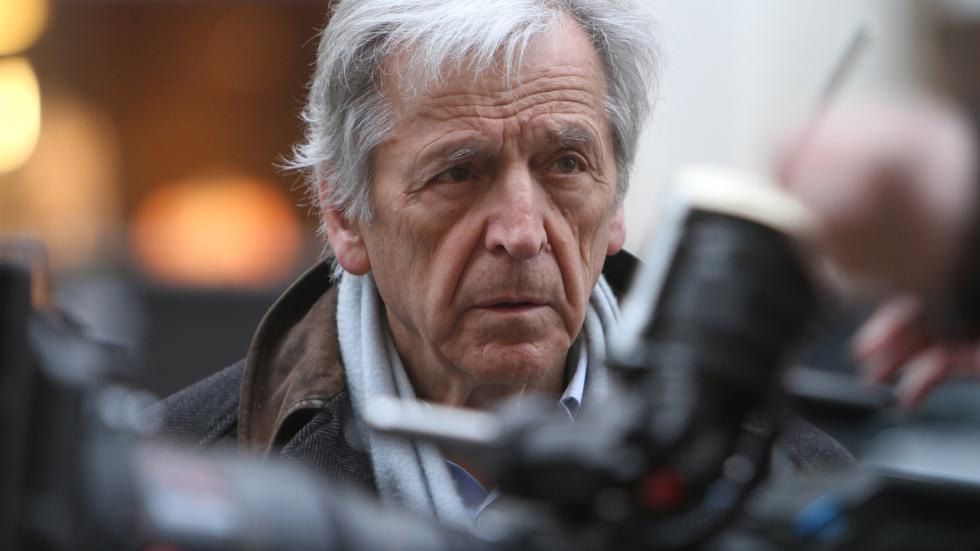
Costa-Gavras, Giraldillo of honor 2025
The Seville Festival has unveiled one of the protagonists this year, since the Franco-Greek director Costa-Gavras will collect the Giraldillo of Honor. “It will be a recognition of his extensive and renowned career spanning more than six decades and his firm commitment to a brave, humane, committed and transformative cinema, which he himself covers in his memoirs, “Go Where It Is Impossible to Get,” explained Manuel Cristóbal.
Born in Greece, in February 1933, Costa-Gavras (Konstantinos Gavras) emigrated to France in the 1950s, where he studied Literature at the Sorbonne and cinema at the Institut des Hautes Études Cinématographiques. His style, a reference to the cinema of Oliver Stone or William Friedkin, is defined by political drama, articulated in the form of a thriller. In his filmography we find key titles such as Z (1969), about the murder of a Greek politician that marked its great international breakthrough by being the first non-English film nominated for Best Picture and winner of the Oscar for Best Foreign Language Film; Siege status (1972), drama set in Latin America, focused on state terrorism; Missing (1982), a thriller filmed in the US about a journalist who disappeared in Chile during the Pinochet dictatorship, starring Jack Lemnon and Sissy Spacek, and winner of the Oscar for Best Adapted Screenplay and the Palme d'Or at Cannes; The Music Box (1989), a family and judicial plot about the search for the truth about an alleged Nazi criminal, winner of the Golden Bear in Berlin; Amen (2002) which questions the Vatican's silence in the face of the Holocaust; Capital (2012), a scathing look at corruption in global financial power, or his most recent work, The last breath (2024/25), on euthanasia and support at the end of life.
Did you like this article?
Subscribe to our NEWSLETTER and you won't miss anything.
Related articles
 'Argentina, 1985' leads the nominations for the X Premios Platino with 14 nominations
 ‘Alegría’ and ‘Sevillanas de Brooklyn’ lead the nominations for the 1st Carmen Awards for Andalusian Cinema
 The future of European cinema under debate at the Seville Festival
 ASECAN announces the nominations for the 2018 Andalusian Film Awards
 Cinema plenary session participated by RTVE in the nominations for the 32nd Goya Awards
 'Tierra Firme' inaugurates the Seville European Film Festival
 The Seville European Film Festival surrendered to Robbie Ryan's photography
 The Seville Festival brings together the best of European cinema
 'Ida' leads the European Film Awards nominations
 Holland will star at the Seville European Film Festival
 Seville opens the doors of its European film festival today
 Nicolas Roeg will chair the jury of the Seville European Film Festival
 Sören Staermose, Industry Award at the Seville European Film Festival
 Fernando Trueba will receive the Honor Award at the Seville European Film Festival