





The great technical revolution of 'Big Brother' on its 25th anniversary
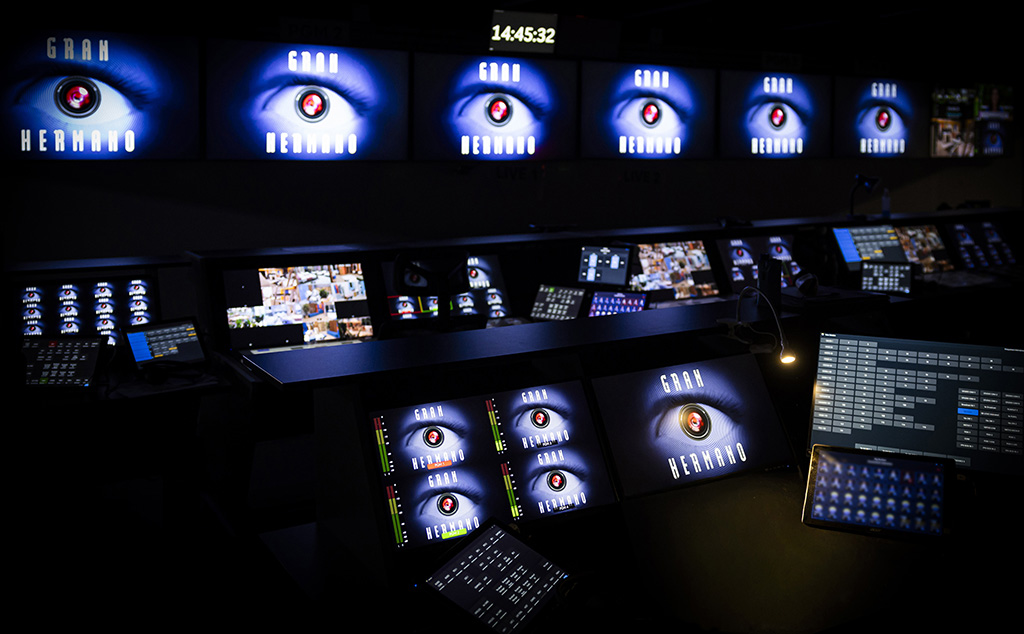

Miguel Martín, general director of Zeppelin, opens the doors of the new 'Big Brother' house (Mediaset Spain), a complex located in the brand new production hub of the Banijay Iberia which has a modern IP infrastructure, unique software in Spain for carrying out the program and a large technical deployment of 85 cameras and more than 40 microphones.
On April 23, 2000, the doors of the house of Big Brother in Spain. Soto del Real was the first town chosen for the construction of this particular set, in an international adaptation of the format Big Brother created by Endemol.
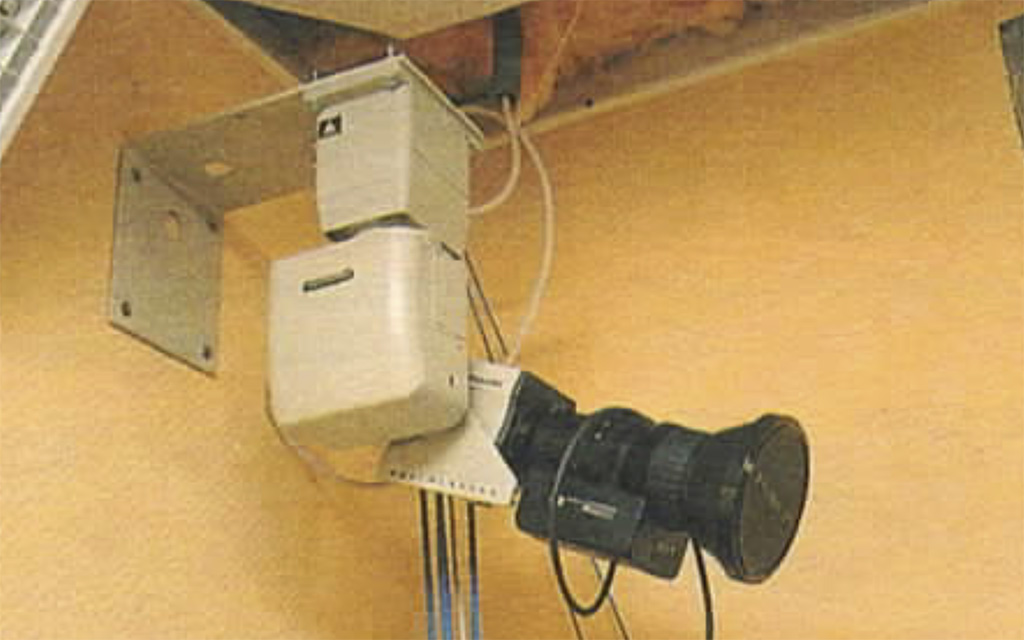
Robotic cameras were already part of the first Big Brother house (Photo: Professional Production – May 2000)
29 cameras were in charge of bringing the viewer closer to the lives of ten anonymous people, chosen from a casting of 7,000 candidates, 24 hours a day. Five of them, model Sony DX-D35, were mounted on a 200-meter traveling shot built to facilitate mobility in a central structure hidden by mirrors, serving as the heart of this original 190-square-meter house. The proposal was completed with 16 cameras Panasonic AW-E600E, nine of them robotic; three mini cameras Sony DXC-LS1P1, and four cameras equipped with infrared.
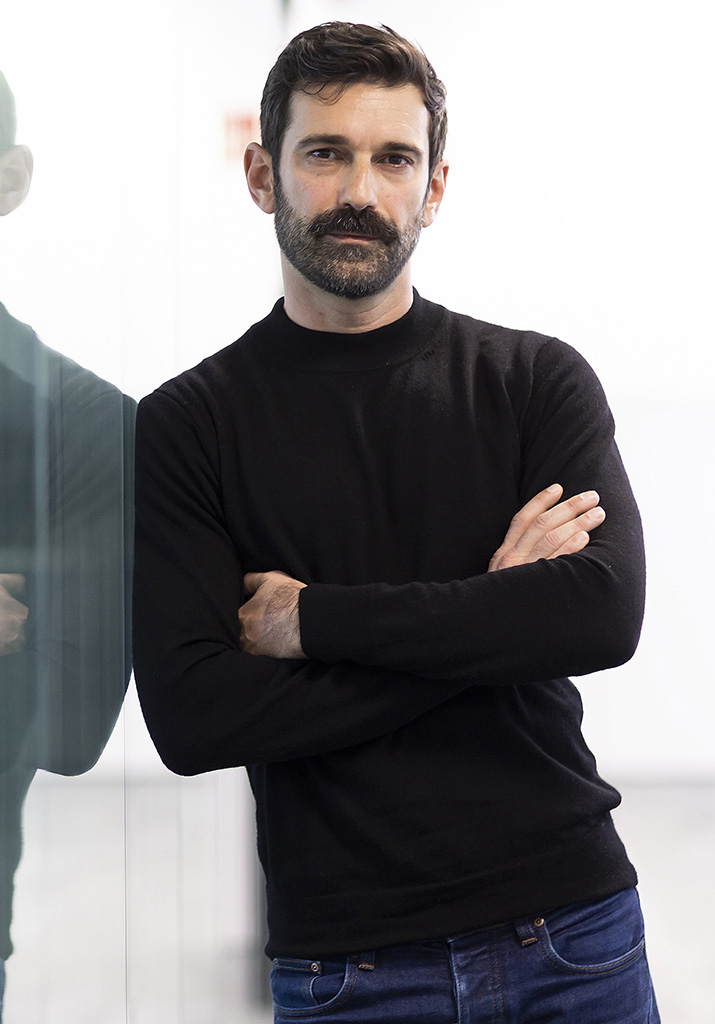
Miguel Martín, general director of Zeppelin (Banijay Iberia)
The technological infrastructure, at that time, had fully innovative solutions in the Spanish production ecosystem. Some were created expressly by companies like Crosspoint and others, provided exclusively to Spain, such as the two 40-channel mixing consoles Roland VM-7200 installed by Vitelsa.
The technical effort, as well as the intense advertising campaign that accompanied what was the great bet of Telecinco, they were massive. The first jump to the reality television of Spanish television achieved a screen share of 51.2% on average in its sixteen broadcasts. A curiosity typical of what is foreign and the construction of identification with the anonymous, heir to an ecosystem of celebrities still developing and predecessor of the world of social networks, marked a before and after in the history of television in Spain. The grand final reached a 70.8% share and 9,105,000 viewers, a figure only reserved for large sporting or electoral events.
Mass hysteria and new location
This mass phenomenon soon tested a armored infrastructure for the contestants, but not so much for the curious and interested. The live entry of a person who broke into the house to demand that prisoners be brought to Basque prisons showed the need to have a controlled environment that allowed Zeppelin to reissue the success of its format, which pushed the production company to establish itself in Guadalix de la Sierra, a Madrid town inevitably linked to the legendary television contest.
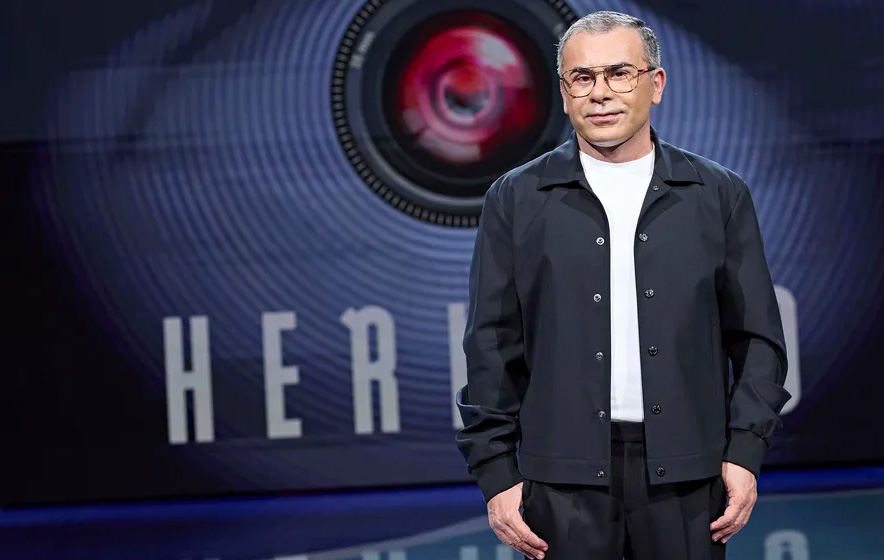 This second location, the most iconic in the history of the Big Brother, has witnessed 18 anonymous editions, 8 famous editions and 3 Duo editions. All have been accompanied by their successes and failures; of stages in search of controversy and others of humor, and variable audience support, but marked by the support of the Mediaset España ecosystem and the ambition to progressively transform the format.
Even so, the team Zeppelin, led by Miguel MartinI knew it was time for a revolution. For this, Big Brother was prepared to be reborn from a strategic location, close to the Mediaset España studios on the road from Fuencarral to Alcobendas and with the necessary capacity for adaptation of a format that lives on the surprise of the viewer, the seed of purely television entertainment: one of the many warehouses on Avenida de la Industria de Three Songs.
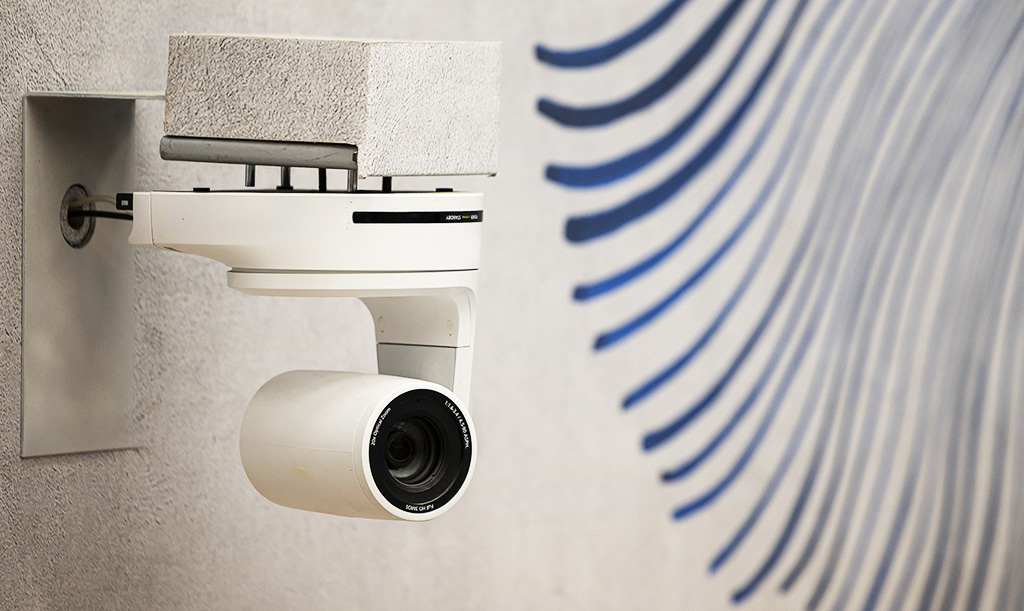
Zeppelin's new hub
There is no element that identifies that we are facing what will be one of the largest live television factories Spain. The new Zeppelin production center in Tres Cantos was created with the aim of housing the new home of Big Brother, an installation of more than 300 square meters, but also to serve as the group's offices and provide service to future formats through infrastructure still under construction.
"The construction of the house is a work of unparalleled magnitude. Five months ago, nothing existed."
As the 20th edition of anonymous is about to begin, all the details of the house are still being finalized, including a big set directed specifically for program testing. 80 workers They work tirelessly to meet deadlines 72 hours before the premiere. “Sometimes the confessional has ended in rec", confesses Martín. On the horizon, other spaces still without a technical architecture anticipate the possibilities of a production company that, after a period providing service to platform productions, is responding to commissions from the main agents of linear television in Spain.
Areas prepared to house offices, newsrooms and post-production environments accompany a control designed specifically for Big Brother that has been built in the building parking. Accustomed to building and demolishing homes designed to adapt to the needs of the format, the company Banijay Iberia He has not been afraid to rethink his new home.
A visit to the house GH20
The name of the HBO series White Lotus inspiration flies over Martín for the house of GH20, “infinitely bigger and taller”. The space responds to trends in architecture and interior decoration, with a great importance of light and various types of materials to create a aspirational house, and not so much strictly adapted to the needs of the format.
Even so, the team Zeppelin, betting on wood as structure and context, has built a purely television environment which is evident in the height of its ceilings, which range from 5 meters high to 7 meters, depending on the area. The entire technical installation benefits from this context, which now occupies the roof of a house dotted with luminaires. ARRI, I gave up and some spectacular equipment Robe reserved for key moments of the broadcast.
“If I could, I would build the house in a different place every year.”
The two bedrooms, the dressing rooms, the gym, the kitchen, a covered garden, false light patios and the social space, crowned by a confessional protected by a smart glass which becomes opaque if it is occupied, constitute bright and spacious rooms to create different meeting places for the protagonists, enhancing interactions. The rooms, between borders, windows and several LED panels, will allow the contestants to learn about the alliances and dimly spot your rivals.
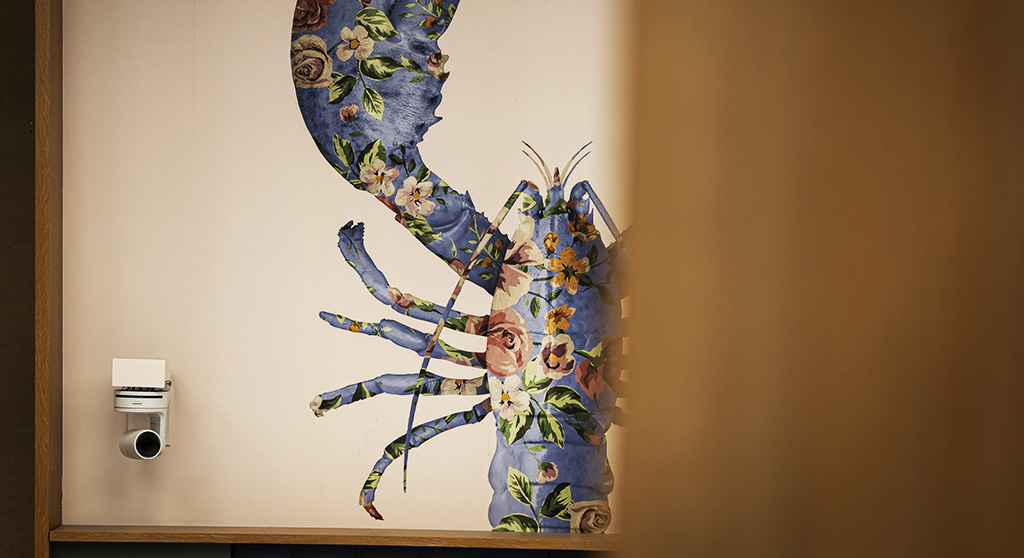
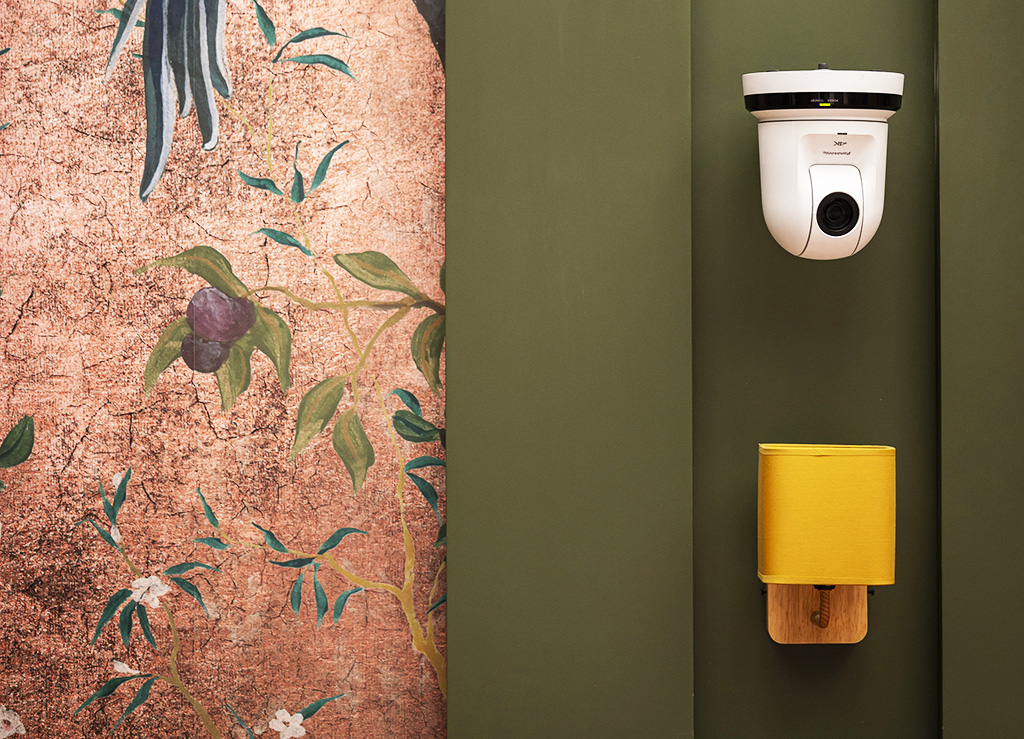
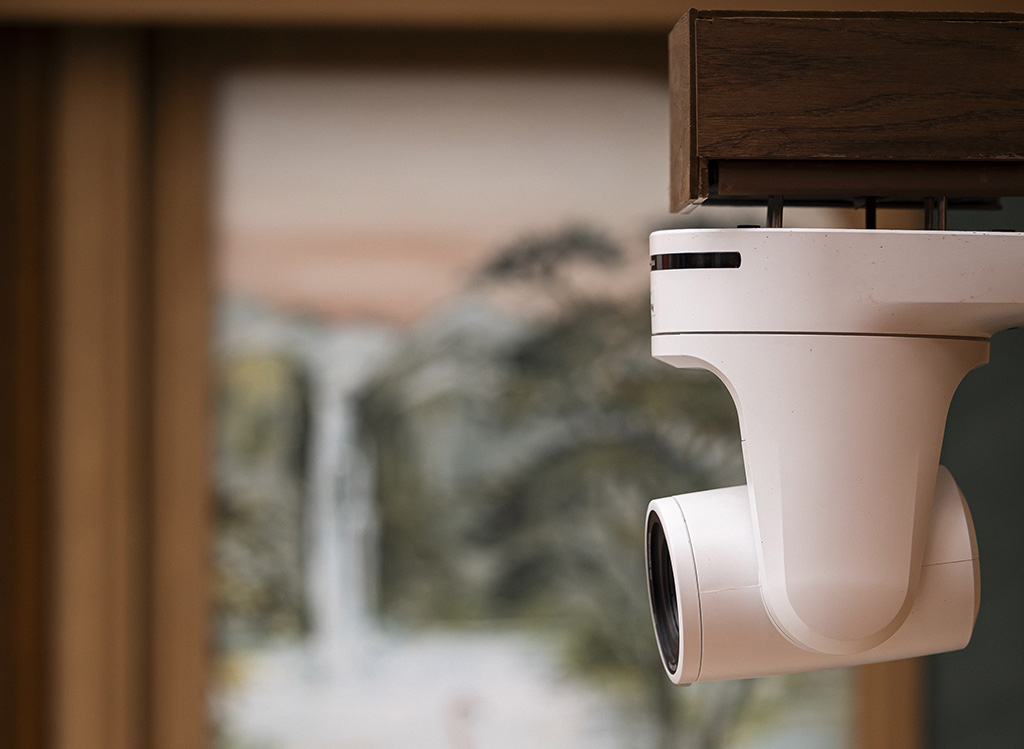
Monitoring them, as it could not be otherwise, 85 cameras, 80% of them corresponding to cameras PTZ 4K of Panasonic, as the predominant model HE-130. Located just one meter and sixty high, to bring the spectators closer to the view of the casting, some of them are articulated around totems and small tracking shots, unprecedented developments in the history of robotics in the contest. There will be no shortage of hidden cameras behind mirrors, operated manually to provide a more careful image, especially in the galas of the format, as well as the infrared for the night scenes, which can be followed in the usual 24 hours and in the daily summaries.
“The construction of the house is a work of one unparalleled magnitude. Five months ago, nothing existed. We have had to isolate everything and create the installation, technique, garden and even air conditioning. “It is an absurd work,” he explains. Martín.
 A single control in Spain
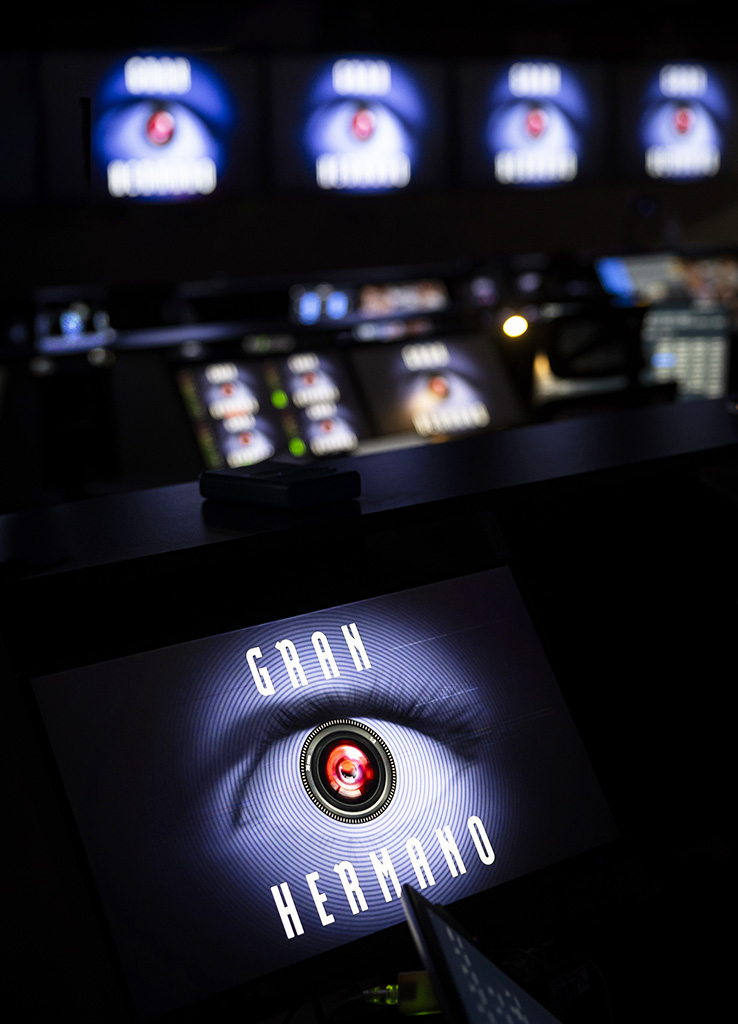
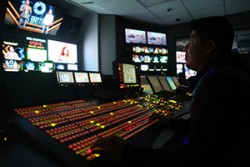
The basement of Tres Cantos houses a control room overturned in the software. The space, with capacity for about 12 operators working simultaneously and one adjacent room for two Super (those responsible for communicating directly with the contestants), is surprising for lacking physical control surfaces: dozens of small and large touch screens spread throughout the command center, powered by a system designed for this by the company film partner.
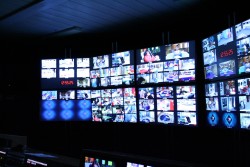
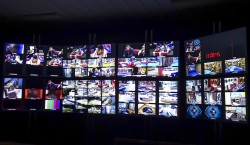
Far away are those traditional production models based on iron and tested in that first edition in 2000, such as the 35 monitors JVC, two 16×16 audio/video matrices Network and a special programmable preselector designed by Crosspoint. This groundbreaking system, tested in the Italian editions of Big Brother and far from the industry's standard technology providers, it is built specifically for your needs: “Technology has been put at the service of a different way of doing things. Button panels disappear and, as the software progresses, new functions are added to facilitate production.”
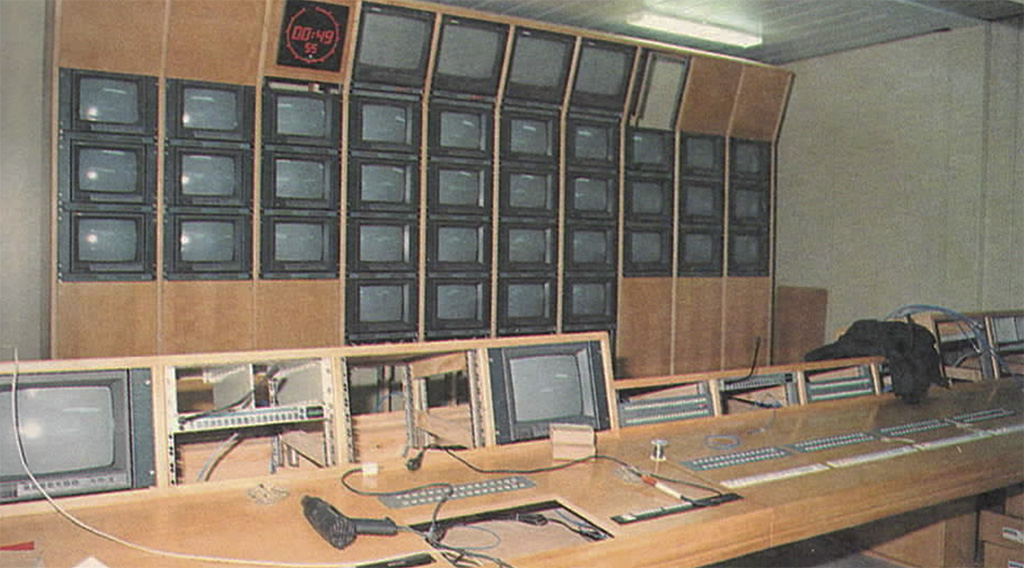
Control room of the first Big Brother house. (Photo: Professional Production – May 2000)
Under this production model, for example, the director has a house map on your touch screens. By clicking on each room, the different options are made available to you. associated cameras and the microphones for each room are automatically selected. The figure of the production assistant clicking cameras: the TV director You have access to the entire visual context at your fingertips. “In Spain there is nothing like it,” Martín emphasizes.
"Technology has been put at the service of a different way of doing things. Button panels disappear and, as the software progresses, new functions are added to facilitate production."
This deployment could not have been possible under the SDI infrastructure that occupied the basement of the Guadalix de la Sierra house. A team of 10 engineers of the company Filmpartners, beyond defining the production system, have developed the IP media infrastructure of the new house Big Brother, defining the matrix workflows and even establishing the transport intercom system, composed of more than 50 flasks.
He soundNaturally, it also progresses. To the audio preselection by room, captured by a total of 43 devices distributed in space, it is joined by the automatic mixing of the dialogues coming from the contestants' microphones. A total of five tables are in charge of this, three direct and two automated. Among them, several solutions stand out Yamaha QL5.
Evolving technology to revolutionize entertainment
The facilities that come with the distribution of signals in IP infrastructures allow Big Brother transform your production process, optimizing the performance of its editors. Arranged in the same production room in two-hour shifts, they are in charge of following the plots with tactile software also developed by Filmpartners, MetaMarker, which offers direct access to all video and audio signals available in the house.
“In the future we will be able to make a prompt to generate a summary, indicating the length or tone of the video, which will be based on the metadata that we accumulate during the next editions.”
Through this system, the traditional transcription of dialogues. Editors can prioritize moments, make marks at key moments and add their comments. Once this process is completed, you will be able to have the content in a adjacent room to make a plot pre-edit, which could become a piece for social networks, a video for one of the galas or a key moment for your daily summaries. With an initial training period of just a couple of hours, editors gain unprecedented agility in writing. content management.
While Filmpartners' production environment facilitates the present of Zeppelin y Mediaset Spain, The solution is trained through processes of AI and metadata to add functions. The improvements will not come “this year or next,” as Martín explains, although they anticipate unprecedented agility in Big Brother: "This system can grow, while the analogue system cannot. In the future we will be able to make a prompt to generate a summary, indicating the length or tone of the video, which will be based on the metadata that we accumulate during the next editions. “It won’t be the final cut, but it will allow us to intervene and manipulate it however we want.”
Destruction as a form of creation
“If I could, I would build the house in a different place every year,” confesses the person in charge of Zeppelin, aware of the unstoppable evolution of television entertainment. The move to Tres Cantos not only provides a new technical infrastructure marked by its versatility and transformation capacity, but a house that is more than ever a television set that allows its structure to be modified to surprise viewers, every day, every week.
Beyond the 24-hour offer Big Brother and the usual summaries of the contestants' experiences, Martín hopes to produce around 14 hours live weekly. You will do this by adapting your progressively operational, making the most of some new tools of first level that respond to an industry that requires greater agility y ability to generate content. Only in this way will linear television be able to look face to face with new entertainment habits sociedad: “Television has the duty to vindicate itself and make the biggest show we can. That's the exercise: manage to surprise year after year”.
A report by Sergio Julián Gómez
Did you like this article?
Subscribe to our NEWSLETTER and you won't miss anything.
Related articles
 The 'Big Brother' house (Telecinco) moves to Tres Cantos to deploy the most advanced technology in its history
 Globo TV produces 'Big Brother' with the latest IP and SaaS technologies from AMPP of Grass Valley
 Connected television in Spain: a revolution waiting for a great consensus
 'Big Brother Revolution' introduces the use of 360º cameras
 Editshare technology ensures Zeppelin TV does not lose any detail in the production of 'Big Brother' in Spain
 MediorNet enables decentralized and redundant routing of signals in 'Big Brother VIP'
 'Big Brother' returns to Televisa with Panasonic and Sennheiser technology integrated by Bexel Global
 The 'Big Brother' app now exceeds two million downloads
 Panasonic technology allows you to follow the lives of the contestants in 'Big Brother 15'
 Videoreport installs a giant LED screen in 'Big Brother 14'
 'Big Brother' finds in Panasonic the technological answer for "the all-seeing eye"
 'Big Brother. And now what?': Elizabeth López analyzes the phenomenon of the format in Spain
 Big Brother… a fireproof format
 AXN and Big Brother 11 will not have a paid DTT channel… for now