





CANADA: a factory of ideas for video clips and advertising that seeks its place in cinema
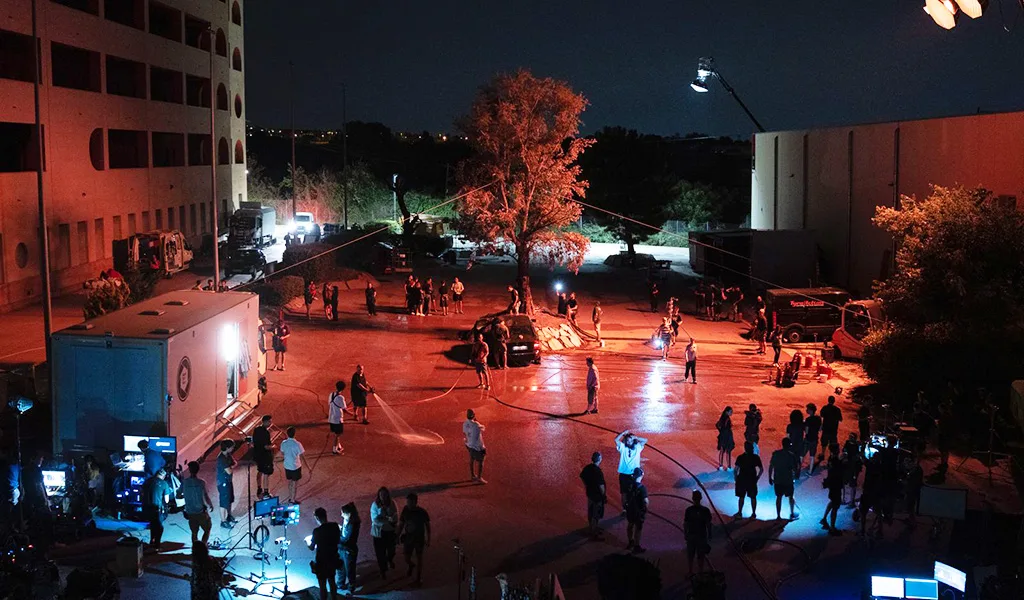

Alba Barneda, managing partner of CANADA, traces the main lines of the evolution of a production company with headquarters in Barcelona, London and Los Angeles that originally positioned Spanish production in the major markets of music and advertising, and that even today continues to mark milestones by creating such impressive pieces for artists such as Rosalía, Coldplay, The Chemical Brothers or Tame Impala, and working for brands such as Louis Vuitton, NBA, Apple or Zara, among hundreds of other names.
There was a time when a handful of patriotic bands, like The Punsetes o El Guincho, began to transform their video clips, opting for highly creative pieces that were far removed from the parameters that accompanied the music scene at that time. Immediately, if the proposal was different and had dialogue in form and substance, you knew who had been behind it. In that panorama of musical production, CANADA had begun to define itself, without intending to and still in the process of consolidating its identity, by the confirmation of creativity.
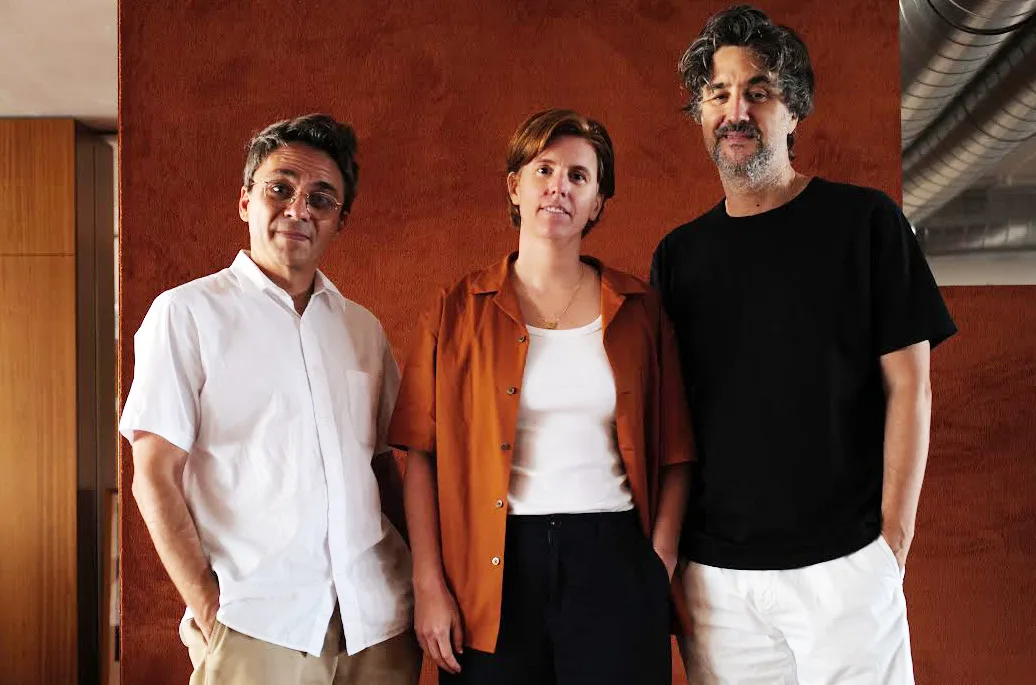 Eighteen years after its founding, the global panorama of audiovisual consumption has changed, but the exercise can be carried out in the same way. CANADA, currently made up of its management team by the directors Nicolas Mendez y Lope Serrano, along with Alba Barneda as managing partner, continues to use the power of ideas to drive its creative production; always, accompanied by a team of creatives who make up an entire organization that knows how to follow trends and pave the way for new approaches.
Aitana, Bad Bunny, Beck, Coldplay, C. Tangana, Dua Lipa, Foals, Katy Perry, Rosalía, She & Him, Tame Impala, The Vaccines, Travis Scott o Two Door Cinema Club have created indelible pieces in collaboration with the studio, while Adidas, Carlsberg, Cisco, Fanta, Ford, Instagram, LG, Louis Vuitton, Mercedes, NBA, New Balance, Nike, Primark, Samsung, Telefónica o Zara They have done the same from the prism of advertising. And, on the horizon, there is a panorama dedicated to fiction with the pre-production of up to three feature films.
Alba Barneda reviews the history of CANADA and its adaptation to the current ecosistema audiovisual. Opening the window to your production flows, analyzes a industry in transformation, with opportunities for creativity despite less open-minded customers. experimentation and some digital platforms that increasingly leave less space for great stories that the Catalan company can build.
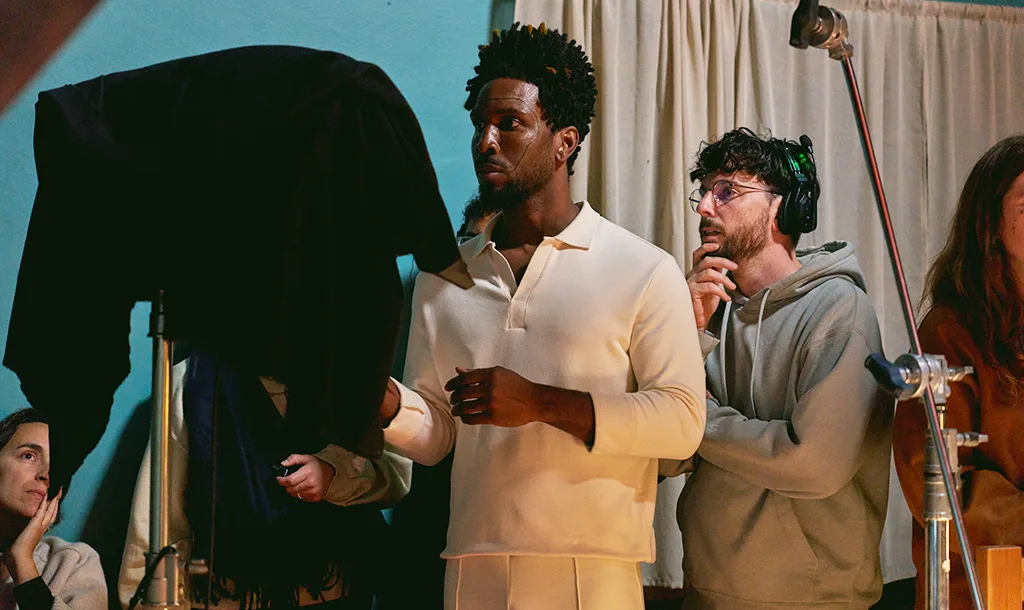
Creativity in a less free context
In its beginnings, CANADA represented a series of young creators with a differentiating approach, in terms of creative and visual language. Do you think that philosophy is maintained today?
Time has passed, and we are not so young anymore. However, I would tell you that this was not how we defined ourselves, but rather how we were seen from the outside. We continue to think that what moves us is to always look for people with their own voice, whether more visual or less; that can be recognized. It is something that moved us then and that continues today.
Over time, we have seen that what is important is ideas and writing.
Now it's a lot more difficult to surprise visually. Everything has advanced and perhaps it is much more difficult for us to surprise. Of course, over time, and although in the past they marked us a lot visually, we have seen that what is important are ideas and writing. It has been a process, I don't know if it is one of maturation or of finding out for ourselves what things are the most relevant.
How does this creative vision correspond to a structure so different from that of its beginnings, with three offices and a team of close to 50 people?
The old model no longer works for us, when everything happened at a table where there were four of us and everything was much easier. When there start to be more people in the same office, and when you open others in different places, it is more difficult to maintain that alignment in many aspects. That has been a big part of my work recently: finding how to maintain that coordination both creatively, in processes and in vision.
When you start growing, the key is to look ways to improve communication, opening ways for the conversation to flow, reach you and send you information and concerns. It is something very important at both a creative and project level. We have worked to organize ourselves and work remotely at other times. Video calls and online collaboration tools help, but it is necessary to ensure that the structures are not diluted and small islands are created far from that global and common vision.
When you start growing, the key is to look ways to improve communication, opening ways for the conversation to flow, reach you and send you information and concerns.
It may seem absurd, but it has taken us a long time to reach a very obvious solution: the issue is spend moments together. From time to time, the heads of each office meet with the rest of the partners and we talk for several days. Because there comes a time when, even if you do a lot of meetings, Zoom and document sharing, there are things that only come out when you are at a table together. Sometimes it is difficult to balance agendas and find the right place, but it has given us very good results in our growth process.
Do you consider it difficult, from the perspective of not strictly belonging to a new generation of consumers, to adapt to new audiovisual codes and languages?
I have witnessed the maturation process as directors of my partners, Lope and Nico, who are also directors and creators. and I have seen a very interesting change in their careers, each one heading to different places, but with the vision that the writing and the idea support the visual part.
We have a batch of filmmakers who relate to other types of artists with different visual codes and technologies.
But then it is also true that, as a producer, as CANADA, we have wanted to be very close to new talent and the next generations, which has given us a brutal experience and constant learning. I remember that there was a generation that brought us closer to the world of trap, which was no longer our natural space since we came from indie, and that stage is also behind us."
It remains one of our objectives: to approach the talent that we see emerging in some way; normally, by that own voice. We want to collaborate with them, help them grow and be able to make better pieces. Now we have a batch of filmmakers who relate to other types of artists with different visual codes and technologies. They also come with the topic of AI and with more desire to play than perhaps other types of younger talent.
At the beginning it was us young people: now not anymore. But it is essential to be surrounded by them.
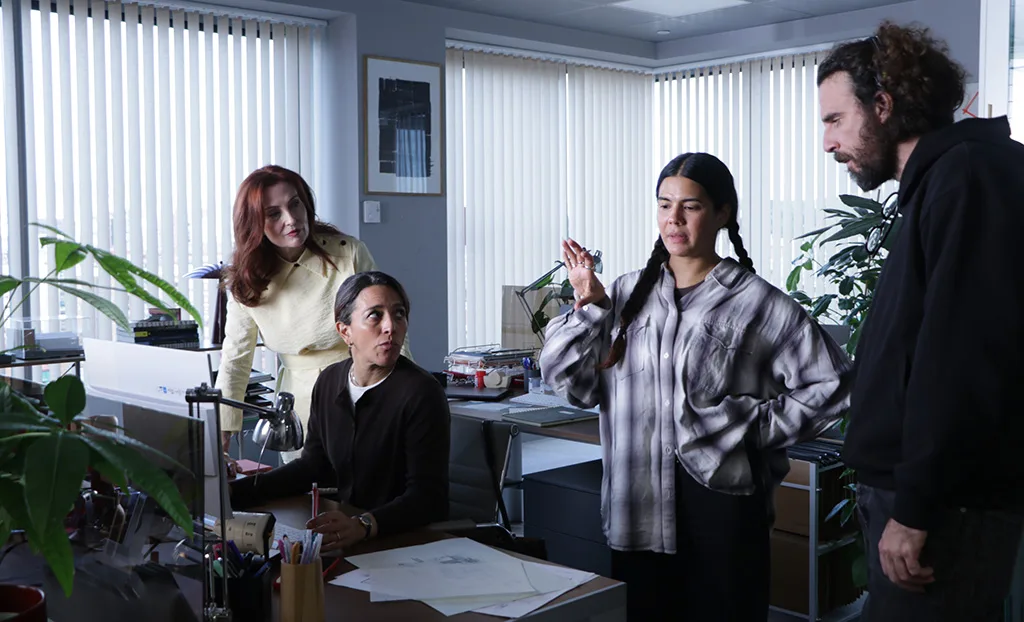
When artists are brands
There has been an itinerancy in the way clients' productions are approached, with a continuous variation of creative freedom with periods of greater control. Is the industry freer now than it was two decades ago?
“I don't feel like our industry is any freer.. Although there are cases. If we talk about our experience with artists, although it may be because we have grown and interacted with more top-level personalities, at the beginning we made videos of bands of friends. They had to approve your ideas, but there was a lot of creative freedom as there were no big budgets.”
The artists we usually work with, whether big or small, are really brands. It's like working with Coca-Cola.
“Now, the artists we usually work with, whether big or small, are really brands. It's like working with Coca-Cola: they have their needs, they are a brand in themselves and they take care of themselves at all levels. Everything he expresses to you is calculated to the millimeter; They have a lot of people around them: record companies, agents, management… It's as if we were making an advertising spot.”
Do these artists ask you for creative direction or do they already come with a predefined concept, which they adapt to?
“Initially there is usually some kind of brief, but it is true that when they approach CANADA it is because they come to look for a creative direction by our talent. What I would highlight is that the artists already come with a lot of work done: they bring their superdosier in which they explain the origin of the album or the lyrics. It's similar to when we do a spot starting from an agency script: it comes to you, but you try to make it yours in collaboration with the team that brought it to elevate it and take it to a place that we feel is better. But yes, I would say that freedom has been lost.”
The impact of social networks and the Internet makes all brands and artists very aware of the impact of anything they can do. They want to control the smallest detail.
“I also think that the impact of social media and the Internet makes all brands and artists very aware of the impact of anything they can do. They want to control the smallest detail: before we could make two versions, the client's and the director's. Now the brands no longer allow it, because they do not want to see content rolling on the Internet that they have not given the OK to.”
"Then there are clients who are the complete opposite and surprise you by giving you complete freedom. It has happened to us recently and now we are repeating with that client. You have maximum creative freedom, but sometimes it also turns against us, because Somehow we have become accustomed to a system in which you always have someone to “blame”. But it is a very nice experience. We always seek freedom, no matter how much we suffer when we have it.”
Where do you think this interest in controlling every detail of, after all, creativity comes from? Do you think it is fear of losing what you have achieved?
"There is a lot, a lot of fear. I don't know if it is because of what has been achieved, but there is a fairly conservative sector, both of artists and brands, who find it difficult to be brave. There is a certain fear of that repercussion: perhaps it is the cancel culture, but at the end of the day that translates into control so that nothing is out of your control. I would say it is because of the impact it can have on networks.”
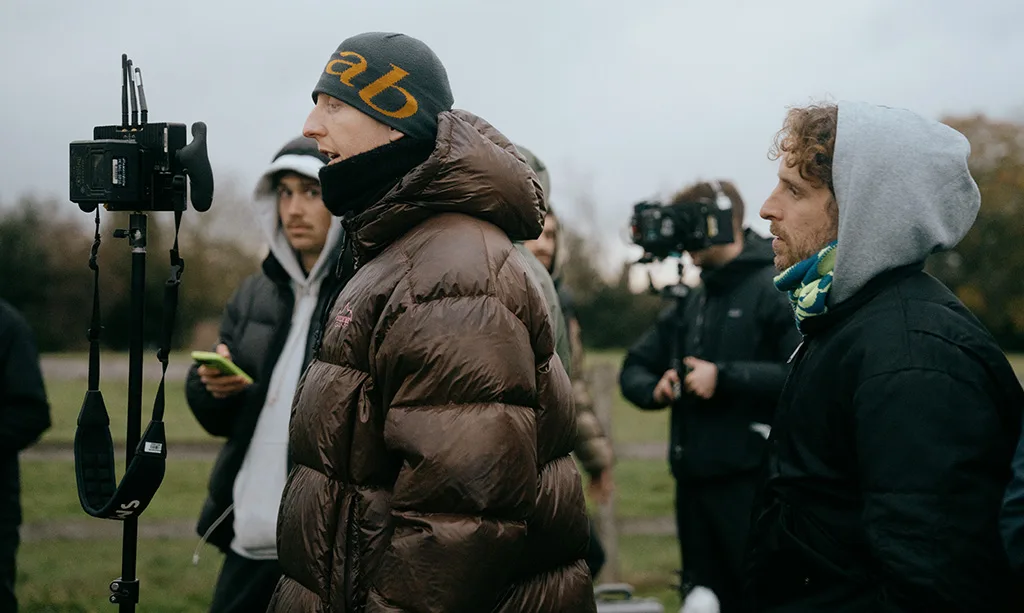
Production and its pillars in CANADA
How are CANADA production teams organized?
When a project arrives, it is almost always a pitchwhether or not single bid. Sometimes it comes with a given name of the director requested by the agency, client, artist or whoever. When not, the production team analyzes the brief, the dates, the characteristics of the project and we present reels of one or more creatives.
We are dedicating very large resources to creating an 80 or 90 page document that can open the doors to projects.
Subsequently, the director, working with our department of researchers that we have on staff, are in charge of writing, processing, designing and searching for references. And the issue of treatments has become crazy. Before it was a document that the directors wrote and now they are almost works of art with a lot of references, images, video, gifs and text. Sometimes I think we are dedicating very large resources to create a document of 80 or 90 pages.
In the end, it is the tool you have to win a great contest. You want to tell everything in detail, and it is the way you have to make the person who reads it understand. imagine what you want to do. Since filming is so expensive, you have to get them to visualize it this way.
Once CANADA is chosen, how do you get the creative machinery going?
Normally there is a phase of adjusting or modifying some element. Once approved, the entire process is launched. pre-production machinery. Although we have a very large structure, almost all the teams are freelance: although directors, executive producers or some production manager are in-house, the rest of the team comes from outside. There may be 100 people on the set, but only two or three are in-house.
How is post-production managed in CANADA?
In post-production, the model varies. There are agencies that directly do the edit and they take it away. That's how he is American model, For example. On other occasions, we do post-production here with the equipment we have from postpo: both coordinators and producers, as well as VFX technicians.
We have a small team, which allows us to work on the entire part of fiction, short films, video clips, some national spots and certain more personal pieces or creative. If not, many times we have an external post-production company that works under our coordination.
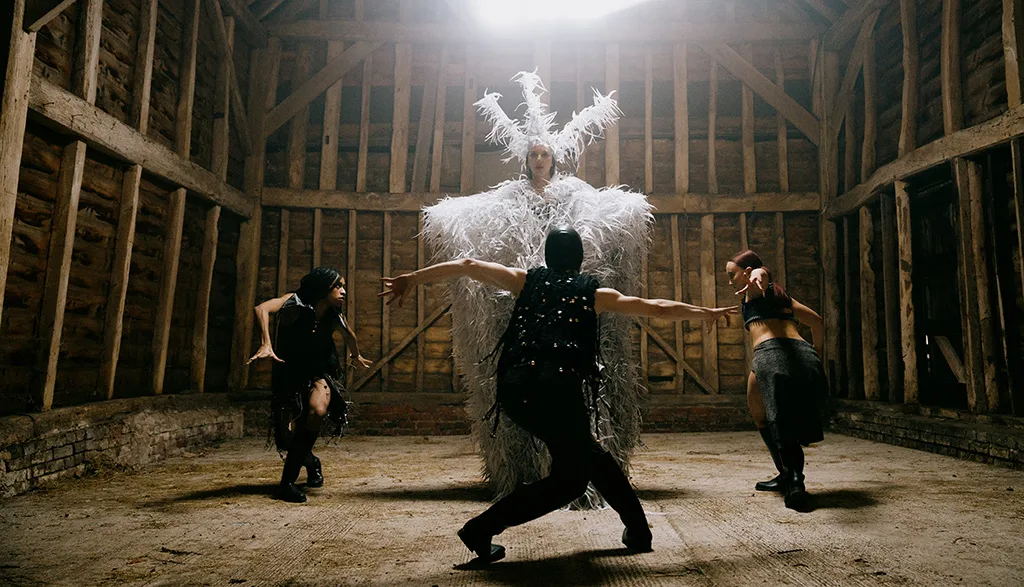
The vertical prevails over the traditional format
Does CANADA opt for a production model with the ownership of its own production equipment and infrastructure, or does it rely on the rental market and contracting production service companies to reinforce its technical teams?
We have not had any type of our own equipment for many years. It is impossible for us to keep all the type of equipment we shoot with up to date. We have a supplier network with whom we have been working together for many years.
What is the most requested visual standard in your productions? Are they still in HD or is UHD standardized? Is the vertical format beginning to surpass 16:9?
In this sense, I can confirm that the versions the women increasingly to the post-production department: 60, 80, 100 deliverables…It's crazy! As I said, in the end we ended up reviewing the big piece, but the reality is that the deliverables make up the 95% of the work who does post-production. In fact, the vertical already beats the horizontal, in terms of percentage, for these pieces. Regarding the UHD, we work on these resolutions, but usually what we deliver it in HD.
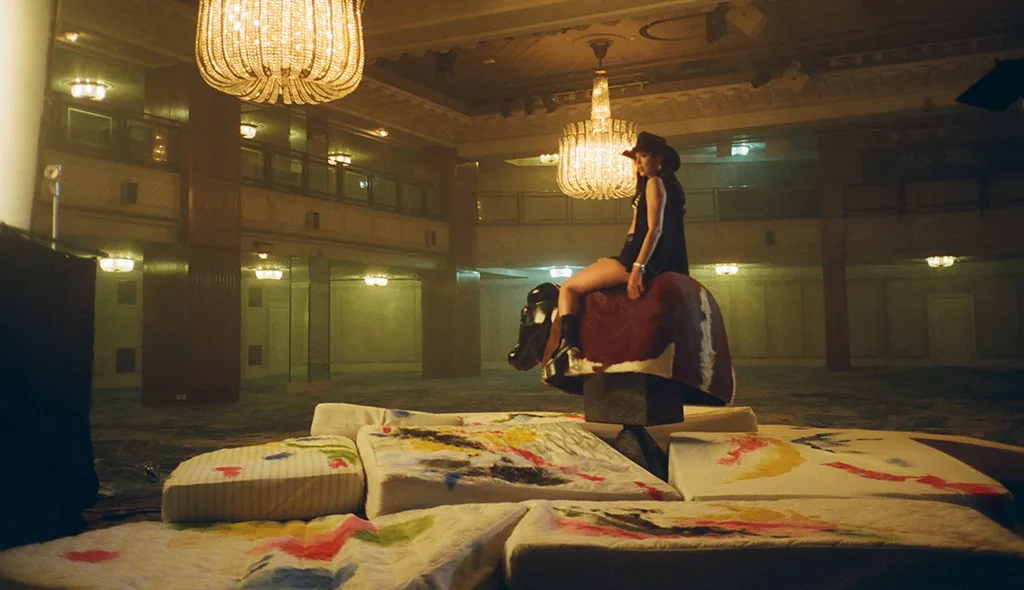
Industry in a context dominated by large agencies
As soon as he finished his Audiovisual Communication degree at Pompeu Fabra, he was called to launch the CANADA project. How was the creation of the structure at that time? Since then, how has your profile evolved in the company?
My role has changed a lot. I joined the three friends who created the company from minute one, although I joined as a partner later. They were three directors, while I did the production side. He had just graduated from college and was ten years younger than them, who had already been making advertisements, music videos and more for a decade.
Before there were larger global campaigns that may be difficult to find due to how segmented the market is..
You can imagine what it was like to start a production company at the end of 2008, at the worst time. I had to do everything; Suddenly, I regretted having studied audiovisual communication and not ADE: accounting, administration, specific help... I began to act as production manager on small projects that we did here, such as mini-video clips or pieces for a museum in Barcelona. Afterwards we grew and I became a figure of producer, to later assume the production management of the company.
With the opening of the office in London, but especially with the one in Los Angeles, my entire role has changed, closer to the management of a company. Unfortunately, I am further away from the projects, but I can be close to some of them already as managing partner. Luckily, from time to time I can continue approaching the projects to get rid of the bug.
The audiovisual industry, the environment in which its ecosystem can coexist with advertising and video clips, has changed considerably in your almost two decades of life. Beyond the lack of freedom you were referring to, in what other points do you notice the change?
There are still many occasions to be creative. When you work as a team with clients, creativity, good ideas and good results are guaranteed. However, I do believe that the lack of courage or that fear of having everything under control Due to the impact of the networks it affects us.
Then, we share a vision that we live with very strong competition, given that there is good talent and production companies in the sector. In times of crisis, advertising resources are the first thing that big brands reduce and it shows: Before, there were larger global campaigns that may be difficult to find due to how segmented the market is.. We've always liked doing that one-and-a-half minute announcement; universal stories that can reach many audiences in different countries. But now what they ask us for are 5, 10 or 15 second formats to make TikToks. And the reality is that at that time it is more difficult to tell a story.
There are three large groups that are acquiring agencies and production companies (…) It is difficult to resist when these companies reach such a large magnitude.
At the sector level, The large movements of communication agency groups, with purchases and mergers, are putting pressure on the industry. There are three large groups that are acquiring agencies and production companies to have in-house resources, which causes there to be fewer independent agencies. What has already happened in other sectors is happening: three giants take control and power. It is difficult to resist when these companies reach such a large magnitude. From production company associations we try to protect our way of working, but sometimes it is difficult to find our place.
To all this, we can add the issue of artificial intelligence and how the business can change in the coming years, since these large groups have millions and millions to invest. I get the feeling that we are in a time of change. And we are all waiting to see how it evolves.
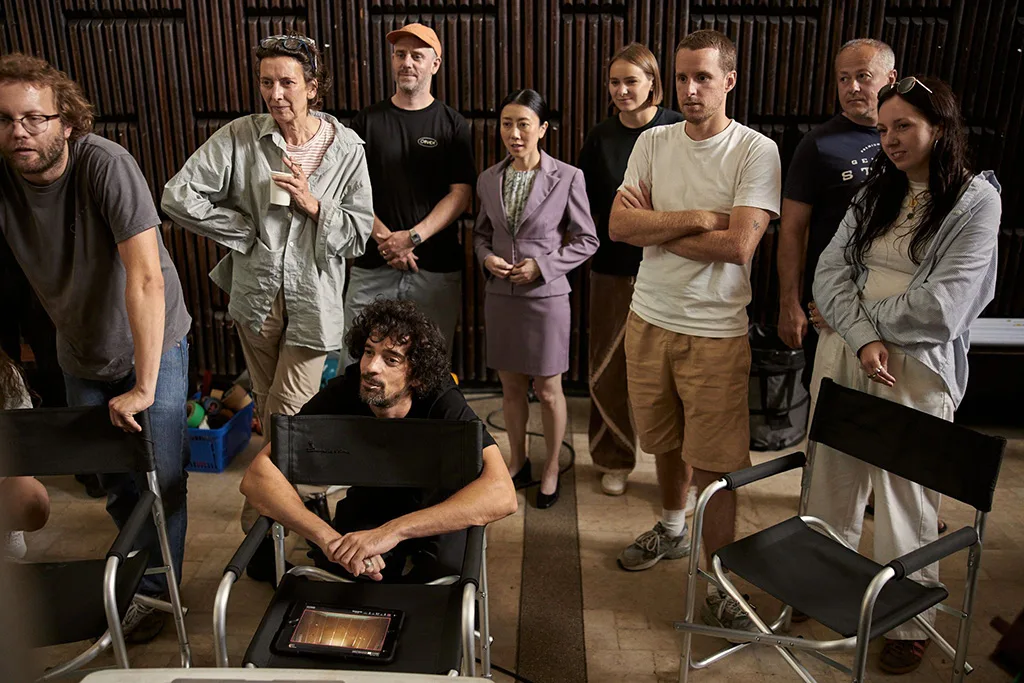
Spanish talent crosses international barriers
What are CANADA's main clients like today? Does this industry dominated by large groups leave room for a production company like yours to continue developing, growing and looking to the future?
A great luck that we have is the diversity of our clients. We work with a wide variety of agencies, but also with direct clients. From Los Angeles we manage the United States; from London, United Kingdom, and from Barcelona, the entire national market and the rest of the world. This means that there is a lot territorial variety, but also the type of client, which can be from a startup technology to a fashion-related company. It has always worked well for us not to have all our eggs in one basket.
In Spanish territory, different creative groups have emerged, taking or rewriting codes to refer to new generations inside and outside our borders. Do you consider that agents like Little Spain, for example, follow the path of professionalization and internationalization that CANADA undertook?
I like to think that those first video clips that had a certain impact outside our borders they opened the way so that talent from here could start working with international bands. Both locally in Barcelona, and in Spain in general, there is great talent. You go to awards for video clips, advertising or fashion films and you always see a lot of Spanish names. We are very proud if we have done our bit there.
We have a very good relationship with Little Spain: we admire them, we love to see that they do well and I think they have a great project.
And what of Little Spain What you say makes me very excited. They are very close people who have passed through here in one way or another and we have always felt a bond. We almost feel like grandparents o daddies of the child cool now. We have a very good relationship, we admire them, we love to see that they do well and I think they have a great project. It is true that it is something different from what CANADA was in its day, but the context has also changed.
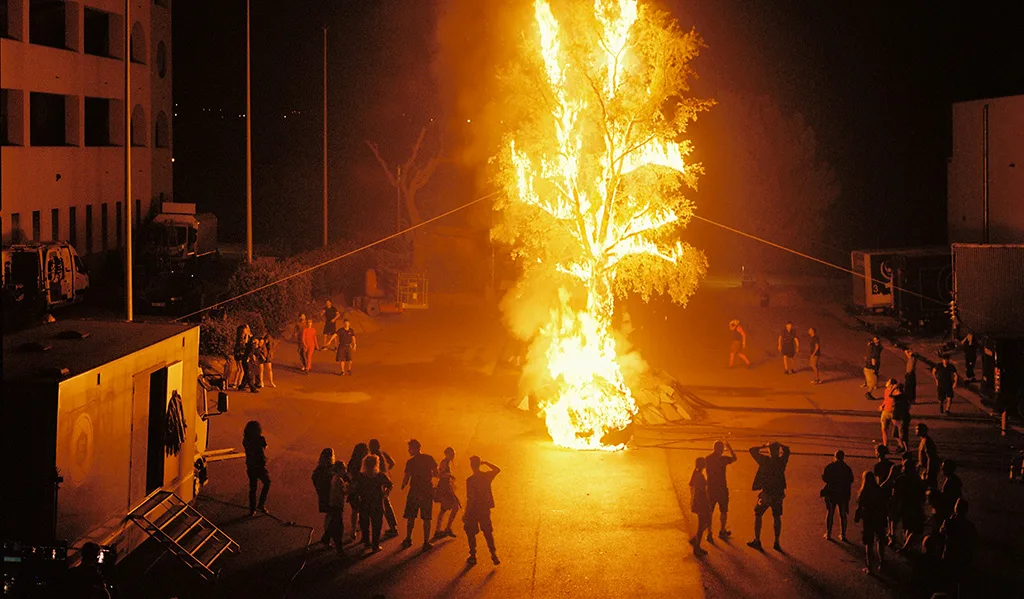
A present without definition, a future to be defined
In a few words, and taking these elements into account, how would you define the CANADA of 2026?
When we had those meetings in which people from all the offices got together, one of the exercises was to try explain how we define ourselves. Because each office and territory is a world, with its specific market needs. The reality is that we still do not have that definition, but we do we find many points in common.
We like to think we're targeting a type of client or artist who wants to make a cultural impact in some way through visual stories.
At the end of the day, we serve clients or artists, and we like to think that we target a type of client or artist who wants to make a cultural impact in some way through visual stories. But that is also something that many other production companies can say, so we still have to think of a way to say: “This is CANADA, and not what the guy next door does"We are still working on it.
Is CANADA looking to continue expanding into new models and production opportunities? Are you comfortable commissioning brands, music videos and advertisements?
In advertising, we like to continue being able to do campaigns in which we can develop an idea. Added to this is the department of photograph, which we started a few years ago and which will allow us to get even closer to the topic of fashion; It is something we have been doing, but we feel we can do more.
It is a slow development, and therefore there is not much to teach yet, but fiction is one of the things that we want to move forward more.
Then there is the issue of cine, which we have always had as the big goal: It's what we've always liked. In fact, when we make announcements they are always full of movie references. We started this work years ago with a department and we have already started to have a wheel with several projects in development. We won the Gaudí with a short film two years ago, and we are already producing the first short film that we have raised 100% from here; We have collaborated on a couple of documentaries and we are developing three more fiction films.
The first aid has already arrived. It is a slow development, and therefore there is not much to teach yet, but fiction is one of the things that we want to move forward more. At the business level it is difficult to find a profitable business there, but we are lucky that we generate from other sources and we can also dedicate resources to developing this department.
An interview by Sergio Julián Gómez
Did you like this article?
Subscribe to our NEWSLETTER and you won't miss anything.
Related articles
 The UPC, seeking to improve the algorithm to detect false images
 Young One Studio relies on a Blackmagic workflow to create films, video clips and advertisements
 The Galician Audiovisual Cluster selects 18 projects for the pitching 'I+P Ideas to produce'
 Film and television executives will participate in the 'I+P, Ideas to Produce'
 Atresmedia Studios enhances its status as a global creation factory with the integration of Atresmedia Cine
 Christie solutions for broadcast and cinema take center stage at IBC 2018
 The call is open to register projects in a new edition of the pitching 'I+P, Ideas to produce'
 The Film Academy calls for a competition of ideas and projects for the Goya 2018
 The III edition of the Platino Ibero-American Cinema Awards will take place in Uruguay
 Producers from all over Spain seek commercial agreements for their projects in the Pitching 'I+P Ideas to produce'
 The Mexican post-production company El Taller trusts in Blackmagic Design solutions for its film and advertising projects
 ‘A Place Called World’ Selects Avid S3L-X for On-Set PA Mixing and Broadcast Recording
 The EU seeks to attract more audiences for European films to promote cultural diversity and competitiveness
 The US is also looking for a business model for digital TV