





Light Sail VR: aprendizajes tras una década de contenidos inmersivos
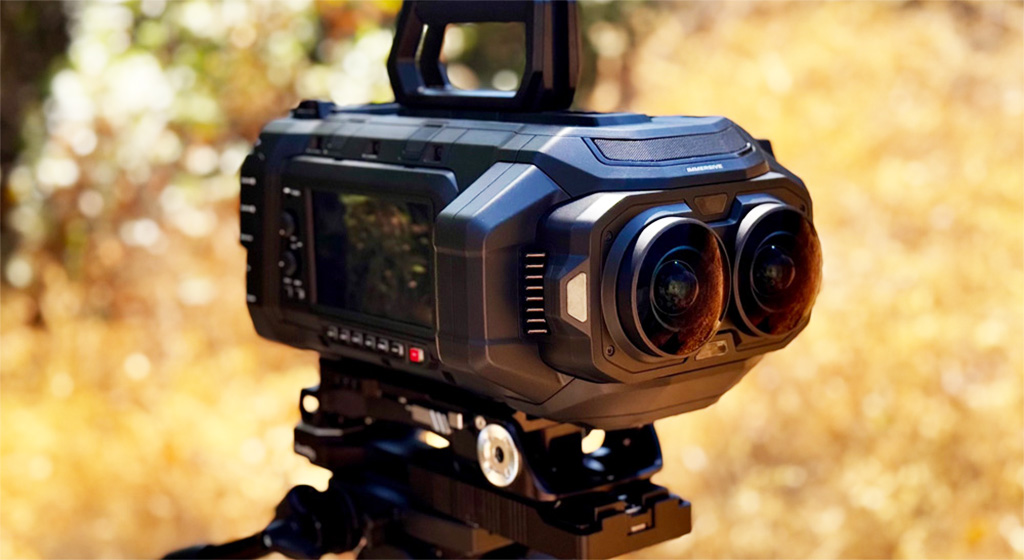
Matthew Celia, cofundador de la productora especializada en la grabación y postproducción de contenidos inmersivos Light Sail VR, desgrana las claves de una industria todavía emergente, pero que comienza a tener con soluciones técnicas adaptadas a unas necesidades únicas en el mundo del cine, la televisión y el entretenimiento.
Situado en Los Ángeles y ganador del Emmy 2025 en la categoría “Programa Destacado en Medios Emergentes” por el especial SNL 50th The Anniversary Special: Immersive Experience, Light Sail VR is defined as a estudio creativo de vanguardia. El estudio nació en el año 2015, cuando Celia identificó que la mayoría de producciones que existían para este tipo de formatos “carecían de fuerza narrativa”, lo que les hizo impulsar el medio centrándose en el contenido, y no tanto en su expresión tecnológica: “Inicialmente, se generó bastante curiosidad y se producía mucho material; sin embargo, las limitaciones tecnológicas de aquellos tiempos hicieron que las personas perdieran el entusiasmo por este tipo de contenido. Aun así, algunos no desistimos; tenemos una gran pasión por explorar las posibilidades de contar historias usando este nuevo medio”. Ahora, con el lanzamiento del Apple Vision Pro y la inminente llegada de su contrincante de Samsung, se percibe un resurgimiento en el interés por este formato.
Antes de añadir la cámara cinematográfica digital Blackmagic URSA Cine Immersive a su vasta colección de dispositivos, Celia pasó la última década captando imágenes inmersivas con todo tipo de sistemas de grabación. “Anteriormente, cada cámara que utilizábamos implicaba sacrificar algo, ya fuera el rango dinámico, la resolución, la compatibilidad con formatos 3D, la calidad de imagen debido a la compresión… Con frecuencia, las herramientas no funcionaban en los sets de grabación modernos ni con las dinámicas de trabajo actuales; o bien, estaban hechas a medida, lo cual, a pesar de que era estupendo, también presentaba dificultades para las producciones multicámara, como las que realizamos en nuestros conciertos”, recuerda.
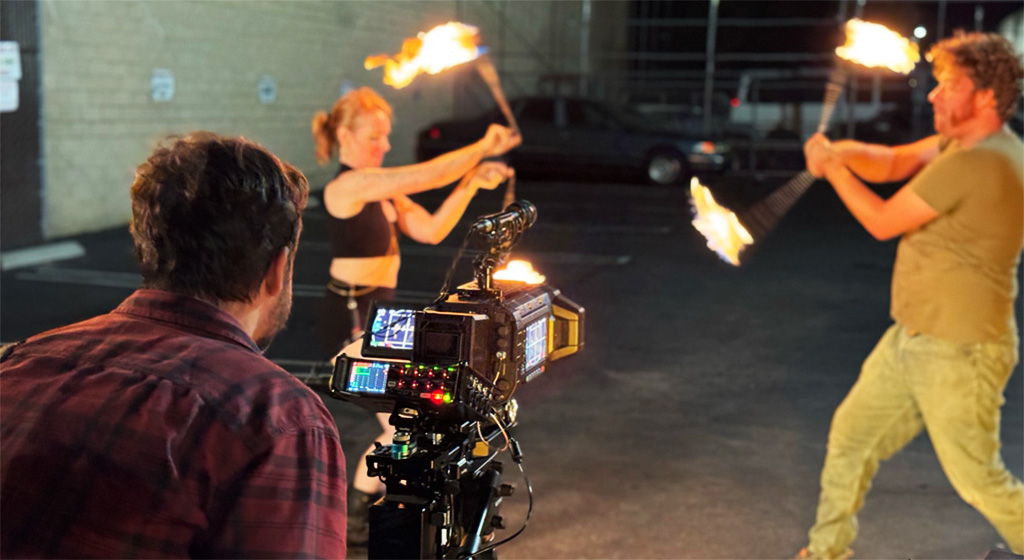
En la actualidad, Light Sail despliega como cámara principal la URSA Cine Immersive, dado que no solo está diseñado para los formatos inmersivos, sino que cuenta con las principales características de las cámaras cinematográficas profesionales y permite realizar dinámicas de posproducción en DaVinci Resolve Studio “con gran facilidad”: “Me complace decir que nos ha sorprendido una y otra vez. En nuestra experiencia, tener poca luz había sido un problema, y era algo que sabíamos que nos iba a causar dificultades, ya que esta cámara graba a 90 f/s. Filmamos a unos bailarines danzando con fuego y, aunque fue inevitable que las imágenes tuvieran algo de ruido, pudimos reducirlo bastante bien; por otro lado, el amplio rango dinámico del Apple Vision Pro hicieron que las llamas realmente resaltaran. Es algo increíble de ver”.
“Aunque la inmersión es algo físico, lo que resulta increíblemente efectivo es la conexión emocional que te brinda este medio. La capacidad de experimentar una escena de manera personal, sin las limitantes impuestas por el encuadre de alguien más, hace que conectes con el material significativamente. Si hacemos nuestro trabajo bien al contar una historia y satisfacemos las expectativas de presencia e intimidad, entonces la conexión emocional será sólida y memorable”, comenta.
Posproducción inmersiva
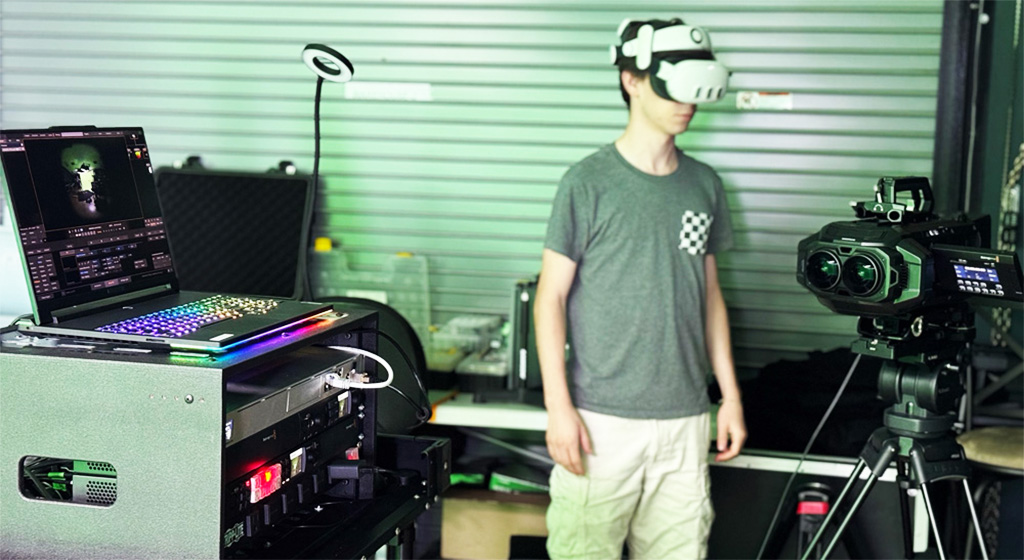
Desde hace tiempo, Light Sail VR gestiona todos sus procesos de post-production con DaVinci Resolve Studio, el cual es utilizado para la edición, los efectos visuales y el etalonaje: “Nos cambiamos a DaVinci Resolve Studio hace muchos años porque necesitábamos una base sólida para reproducir contenidos de alta resolución y frecuencia de imagen. Queríamos compatibilidad tridimensional y la mejor colorimetría para que nuestro trabajo tuviera esa apariencia cinematográfica que el público deseaba. Me sorprendió poder encontrarlo todo en una sola herramienta: DaVinci Resolve Studio.
En los últimos años, Celia y su equipo ha exprimido la integration con Fusion con la mayoría de sus herramientas inmersivas. Ahora, con la compatibilidad de fábrica brindada por el modelo URSA Cine Immersive, la compañía ha pasado a contar con funciones nativas de integración, las cuales harán que “crear trabajo de gran calidad” sea “más fácil que nunca”
“Ahora también tenemos una vista previa en directo en el dispositivo cuando captamos imágenes. Podemos comprobar las grabaciones en el dispositivo mientras editamos, sin tener que esperar horas para la exportación. Publicamos tomas y usamos nuestra herramienta “Screening Room” para compartir comentarios en el dispositivo mismo. Además, ahora las plataformas pueden transmitir contenido de 90 f/s en 4K por ojo sin que haya prácticamente ningún retraso. Todos estos avances tecnológicos y mejoras en las dinámicas de trabajo nos ayudan a concentrarnos en el aspecto creativo en lugar del aspecto técnico”, añade.
Consejos de Matthew Celia para la creación de contenido inmersivo
1. Asegúrate de que tu concepto funcione en un estilo de narración inmersiva. He visto con frecuencia que algunas personas creativas plantean ideas que se ejecutarían con más eficacia en dos dimensiones. Los mejores proyectos inmersivos son aquellos que cumplen la promesa de hacerte sentir como si estuvieras presente en la historia. Están respaldados por personajes y entornos auténticos, y ofrecen una intimidad que únicamente es posible a través de este medio.
2. Planifica, planifica y vuelve a planificar. La preproducción es indispensable.
3. El que mucho abarca, poco aprieta. Este es un medio sobrecargado en el aspecto sensorial, así que tendrás más éxito si eliges conceptos simples y los ejecutas bien, sin agobiar a tu audiencia. La tecnología es tan potente que, si tienes una gran historia, no necesitas movimientos complejos de la cámara para que tu audiencia se sienta inmersa.
4. Ten presente que todas las personas de tu equipo trabajan con conocimientos limitados y que hay mucho que no se sabe acerca de este nuevo medio. No des nada por hecho y haz muchas preguntas.
5. Contrata a personas que sepan lo que hacen y escúchalas. Es probable que alguien con años de experiencia se haya topado alguna vez con un problema que tú tienes ahora, y a todo el mundo le gusta ayudar a los demás a crear un mejor contenido. Apóyate en los expertos en lugar de reinventar la rueda constantemente.
Did you like this article?
Subscribe to our NEWSLETTER and you won't miss anything.
Related articles
 T18, the first national French DTT channel in a decade, begins its broadcasts with BCE
 BT's 5G Standalone technology will provide critical connectivity to Sail GP
 Nara (Filmlight) unifies file browsing and content streaming in the Light Iron post-production studio
 CueScript celebra una década de innovación en el mundo del teleprompting en NAB 2024
 Las URSA Broadcast G2 de Blackmagic, eje de los conciertos inmersivos de Bizarrap en Buenos Aires
 La CCMA demostró en IBC soluciones de accesibilidad innovadoras en contenidos inmersivos
 Mediapro incorpora Visyon, empresa especializada en la producción de contenidos audiovisuales inmersivos
 Fernando López Puig, nuevo director de contenidos de Televisión Española tras la marcha de Toni Sevilla
 'Benvinguts a la família', best premiere of a TV3 series in the last decade
 Animayo cumple su primera década haciendo historia
 Durante la próxima década se lanzarán 115 satélites cada año
Tedial celebrará una década en NAB 2011 en primera línea internacional
Durante la próxima década se lanzarán 115 satélites cada año
Tedial celebrará una década en NAB 2011 en primera línea internacional
 CES 2010: la electrónica de consumo encara la década con optimismo
 Playbox, una década de innovación