





‘Caiman’: “found footage” en condiciones extremas con Blackmagic
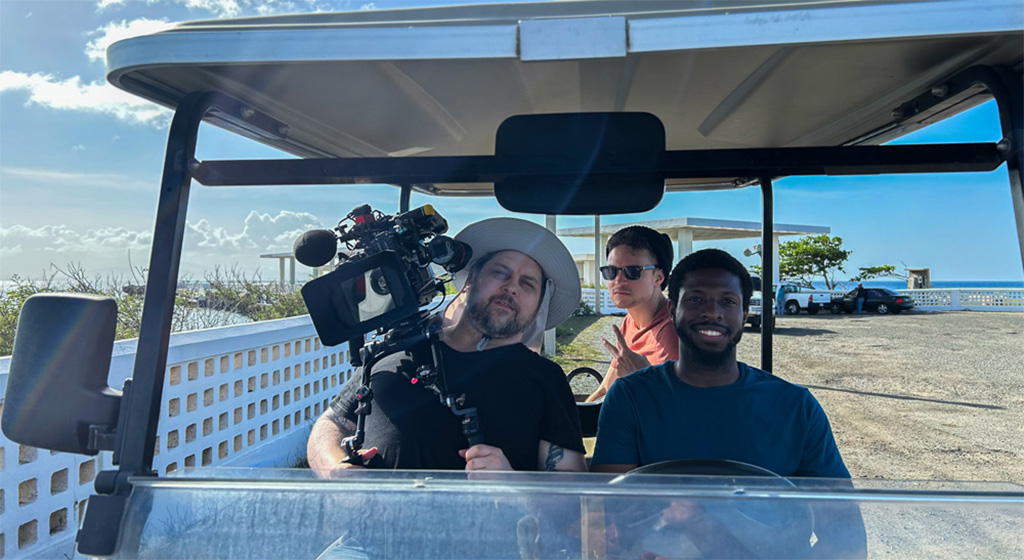
Joseph Davis Castleberry rueda el thriller psicológico ‘Caiman’ con las cámaras URSA Mini Pro 12K y Pocket Cinema Camera 6K de Blackmagic, las cuales habilitaron una producción versátil en el marco de unas “condiciones de rodaje extremas”.
Caiman narra la historia de un viudo afligido que regresa a la isla de Vieques (Puerto Rico) para cazar a la criatura que cree que mató a su prometida. Castleberry, dueño de la productora Lumin8 Productions, con sede en Chicago, consideró que se trataba de una película que lo incentivaba a trascender sus límites creativos gracias a ciertas complejidades innatas a su concepción: “En cuanto leí el guion de Charles Borg, me quedé fascinado. Como se trataba de una película de metraje encontrado, terminé desempeñando varias funciones: desde director y responsable de fotografía, hasta operador y asistente de cámara, e incluso aparecí en pantalla en algunas ocasiones”.
Durante la pre-production, una de las primeras decisiones importantes que Castleberry tuvo que tomar fue el modelo de rodaje de la película. Dado que la cámara prácticamente pasaría a ser “parte del personaje”, era fundamental elegir los equipos adecuados. “Cada decisión técnica tenía que ser acorde tanto a la historia como al realismo, así que tuvimos largas conversaciones técnicas y creativas sobre los objetivos, la iluminación y la elección de las cámaras. También tuvimos que tener en cuenta la realidad de grabar con personal reducido y recursos limitados en un lugar más alejado como Puerto Rico, donde el clima es cálido y húmedo”, explica.
Tras ver más de 50 largometrajes of found footage, y de investigar qué elementos eran los que resultaban atractivos a los espectadores y los que no, Castleberry eligió las soluciones de Blackmagic, que le permitieron obtener imágenes con apariencia cinematográfica aún con técnicas de rodaje cámara en mano. Para las escenas más rápidas, captadas en condiciones exigentes de humedad y calor, el equipo de producción recurrió a la URSA Mini Pro 12K, una cámara caracterizada por su sensor RGBW, su rápida velocidad de lectura y un eficiente sistema de refrigeración que permitió grabar en permitieron grabar en 4K con todo el sensor, usando la menor compresión posible.
La segunda unidad, marcada por escenas captadas prácticamente en penumbra y otras en las que la cámara podía llegar a sufrir algunos golpes, contó con la Pocket Cinema Camera 6K: “Ya la había utilizado anteriormente y la había exigido al máximo en diversos entornos, como bajo la lluvia, en temperaturas altas y bajo cero, e incluso en la nieve, y nunca me falló. Era la opción más lógica para este proyecto en que había que tirar la cámara a la arena desde varios metros de altura”. Ambas cámaras montaron anamorphic lenses pocos costosos: “No fue fácil, en particular al grabar en espacios pequeños, como en autos y aviones chárter, pero valió la pena”.
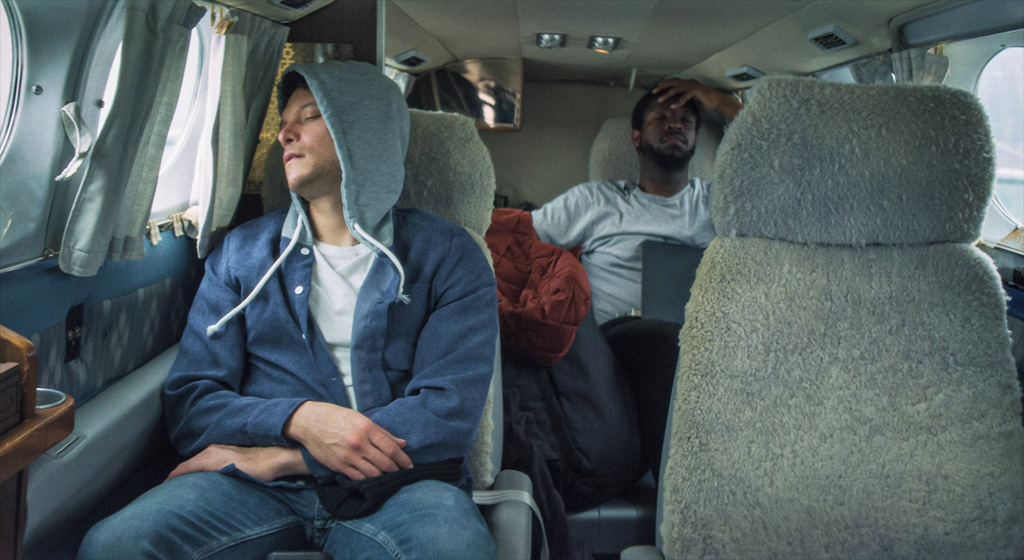
Uniendo poca luz y una acción intensa
Al repasar los principales desafíos del rodaje, Castleberry destaca algunas escenas particularmente complejas debido a las condiciones de iluminación: “Una situación que se destaca en particular es una escena íntima entre dos personas sentadas a la mesa en una sala oscura, iluminada únicamente por la luz de las velas y una contraluz de 60 vatios que colocamos en un rincón, ajustada al cinco por ciento para que aportara una luz de fondo tenue. Ajusté la sensibilidad ISO de la URSA a 3200, pero gracias al diseño del sensor, los ajustes de baja compresión y un filtro de difusión, las imágenes grabadas terminaron siendo hermosas. Tenía una granulosidad densa y texturizada y un brillo suave y cinematográfico que era perfecto para la escena”.
Según Castleberry, la cámara URSA Mini Pro 12K también “se lució” en otra escena que se grabó en un muelle durante un día caluroso y húmedo con mucha luminosidad: “Se ve a los dos actores principales caminando por un muelle, pasando por zonas de sol y sombra, con el mar y el cielo despejado de fondo. Aquí es donde la URSA Mini Pro 12K verdaderamente demostró sus bondades. Gracias a su buena capacidad de retención de luces, pudo procesar los cambios de iluminación con facilidad, y el sistema de enfriamiento permitió que siguiera funcionando sin ningún problema; esto es algo que podría haber sido desastroso con la cámara incorrecta, pero que fue fácil de lograr con la URSA. Como director y responsable de fotografía, siempre estoy a la expectativa de lo que pueda salir mal, pero en este caso, la cámara no me dio ningún motivo para preocuparme».
The Pocket Cinema Camera 6K, no obstante, realmente se puso a prueba en el punto culminante de la película: “La escena final se grabó bastante después de la puesta de sol en una playa, casi sin haberla preparado, con un estilo de filmación sobre la marcha. Monté la Pocket en un soporte para el hombro ligero y fácil de manipular para poder capturar la trama rápida de la producción. La escena presentaba varios desafíos: comenzaba dentro de un auto que iba a toda velocidad por una carretera de grava, y luego se dirigía hacia mí, hasta llegar a una playa completamente oscura. Hubo tomas largas y continuas corriendo por la arena con muy poca iluminación en las que tan solo usamos una pequeña luz cúbica de 60 vatios montada a la cámara mediante un accesorio de sujeción para crear un efecto de foco puntual. Para colmo, sabía que íbamos a arrojar la cámara deliberadamente al suelo e incluso al mar. Demás está decir que usé esta cámara a lo brusco, pero nos aportó las imágenes que buscábamos”.
https://youtu.be/DwqfTA2a1KU
Did you like this article?
Subscribe to our NEWSLETTER and you won't miss anything.
Related articles
 Obvious C retransmite una exigente prueba del Mundial de Esquí en condiciones extremas con Blackmagic
 The Daily Aus creates informative pieces by combining footage from the Blackmagic URSA Broadcast and an iPhone
 Sennheiser MKHs help George Vlad capture sounds from extreme locations
 Blackmagic Pocket Cinema Camera delivers stunning footage in air rescue documentary
 Blackmagic’s Cintel scanner used to digitize hundreds of hours of ‘Playing with Sharks’ footage
 Canon ME20F-SHN: una cámara IP multipropósito para situaciones de iluminación extremas
 LiveU en condiciones extremas en Islandia, las Islas Feroe y Groenlandia
 Goya a la producción en ‘Nadie quiere la noche’, un rodaje de época en condiciones extremas
 Leftfield Entertainment relies on Fujinon Cabrio lenses for shooting in extreme conditions
 ME20F-SH: Canon's new multifunction camera capable of capturing Full HD in extreme light conditions
 JVC lanza la cámara compacta GC-XA2 Adixxion para las grabaciones en movimiento más extremas
 EBH uses AJA's Ki Pro Mini in the most extreme conditions in 'Mission: Afghanistan'
 Anton Bauer in the most extreme conditions of the Dakar 2012
 Filming in extreme conditions with P2HD camcorders