





Virtual art direction: techniques to stop the world
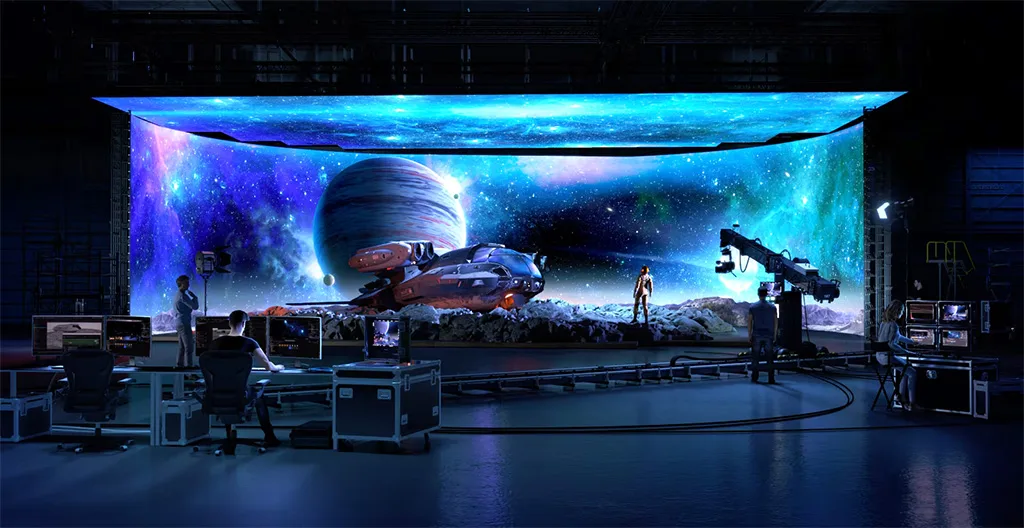

In this forum, Artzai Elorza, Virtual Art Director / CG Supervisor, addresses in depth the differences between traditional art direction and that intended for virtual production filming, an area in which technology comes to the fore.
I am convinced that we have all felt the desire to stop the world for a moment. At a time when the light seems to touch things in a way unique, an inspiring place, an atmosphere that moves us, a light that changes us inside, a sunset where we would like to stay forever. But time does not stop, the light changes and the moment is lost.
That gesture of “stopping the world, holding back a sunset and molding it to my liking” It stops being an unrealizable dream to become a creative tool thanks to the virtual production.
Art direction: from traditional to virtual
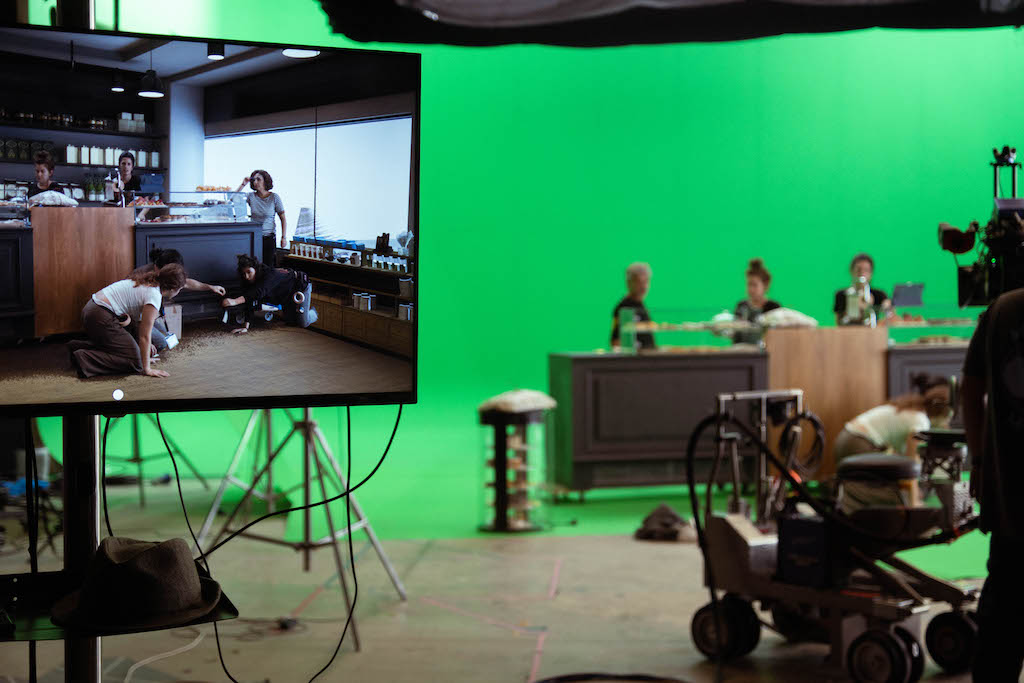
Traditional art direction focuses on physical sets, material selection, prop design, color treatment, scouting of locations and close work with the real lighting and camera department. It is based on transform real spaces to tell stories. In short, a deeply artisanal craft.
Virtual art directors have the opportunity to define new worlds, new styles and new visual languages.
With the arrival of the virtual production, that same job becomes a hybrid field where physical and digital They begin to share space normally. The transition towards virtual incorporates tools such as real-time engines, volumetric LED screens, materials and procedures, DCC programs and workflows; where lighting stops depending on the sun and becomes a controllable variable. And this is how the Virtual Art Department (VAD), turning art direction into a expanded creative core: a space where virtual environments are designed, experimented with previews and everything is interconnected through virtual and real cameras with real and virtual resources.
A new panorama where imagine and build They are no longer subject to the limits of time, light or even the laws of physics (spaces without gravity). This is how virtual art directors have the opportunity to define new worlds, new styles and new visual languages.

Tools, techniques and needs
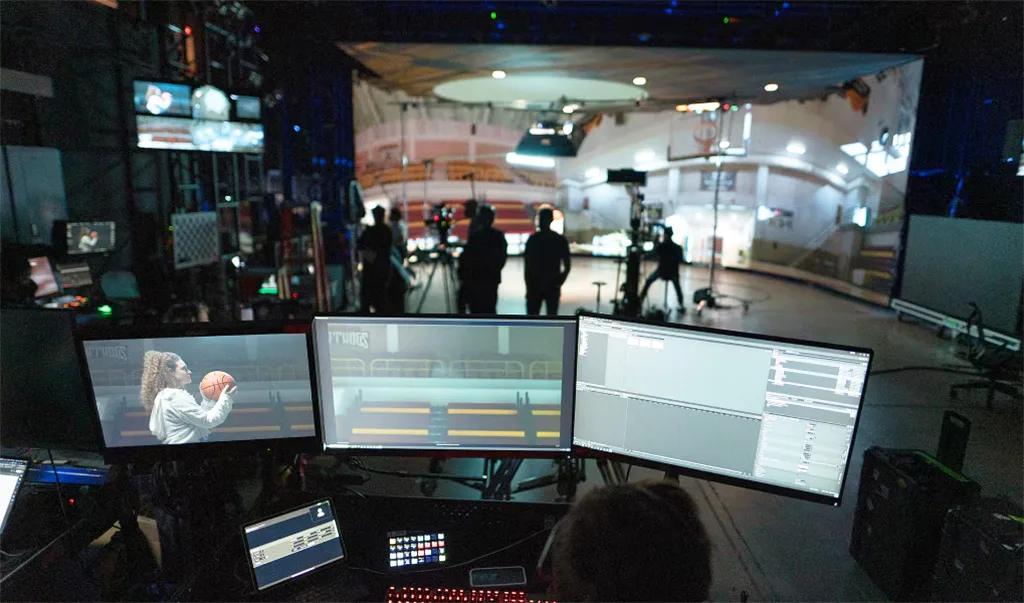
As virtual production art directors, we find ourselves in a hybrid terrain where the aesthetic sensitivity It is the main engine of the process, but each decision coexists with creative engineering. Every decision (from mesh density, LOD management until the optimization of lightmaps, draw calls y shaders) is taken thinking about how to serve the narrative, the atmosphere and, of course, the project visual coherence.
This implies having knowledge of XR technologies, since virtual production is built on very defined architectures. These processes cover:
- Polycounts segmented by element type (assets, background, midground).
- Standardized texture sizes depending on distance to camera.
- PBR Material Optimization with limits on the number of samplers, normal maps or materials with multiple layers.
- Lightning evaluated in real time, using hybrid systems such as Lumen or fully baked according to the need of the set.
- Performance (performance budgets) that must be kept stable in the LED environment or preview engine.
Mastering these tools, far from limiting creativity, allows us to exercise a unprecedented control on the final image and guide the team towards results that combine efficiency, emotion and aesthetic intention.
An art director with background technical
The visual conceptualization is a constant negotiation between art and technique: a precise balance between aesthetic intention y technological feasibility. This is reflected in the decision of the level of detail for each plane: from close-ups that require complex models, up to establishing shots where clarity and optimization prevail.
Even details apparently purely aesthetic (sky saturation, fog density, shaders translucent) are designed by simultaneously evaluating their visual impact and the stability of the environment.
Los materials are designed according to the visual function of the plane: procedural, scanned textures or material functions optimized based on system load and desired impact. Lighting is applied with hybrid criteria: choosing dynamic global bounces or lighter solutions such as lightcards, strategic HDRIs or lighting baked guarantees coherence between emotion and performance.
Even details apparently purely aesthetic (sky saturation, fog density, shaders translucent) are designed by simultaneously evaluating their visual impact and the environment stability, creating images that work and excite.
New tools for building worlds
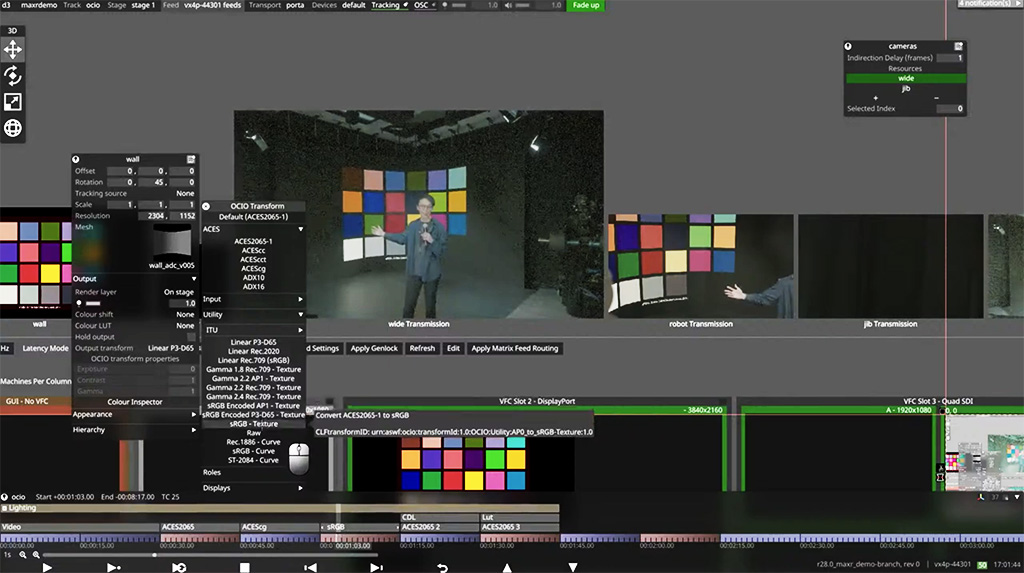
To all these processes, emerging technologies are added that have transformed the achievement of results:
- 2D, 360 image or 2.5D image capture and manipulation techniques that allow generating enveloping funds.
- High density photogrammetry to capture surfaces with microgeometric fidelity.
- LiDAR laser scanning to reproduce real-scale spaces with millimeter precision.
- Gaussian Splatting and techniques of neural reconstruction (NeRFs) that allow you to capture complex scenes with unprecedented speed.
- Kitbash y optimized libraries to accelerate the construction of modular environments.
- Node-based shading which facilitates quick adjustments without redoing materials.
Combined with modeling, UV mapping, textured and rigging, these tools allow you to build coherent, operational and narratively impactful worlds, where aesthetic intent is maintained throughout the workflow.
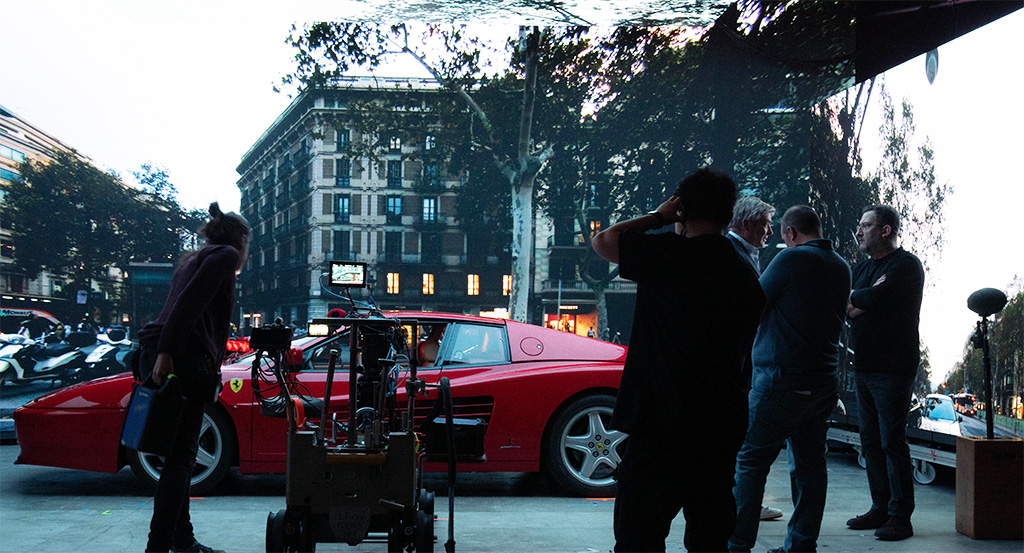
A continuous and non-destructive flow
The controllability of all these processes makes everything act as a living ecosystem where each area can iterate without breaking the work of others. Unreal Engine makes its non-destructive environment allow work to evolve in a way fluid and transversal; And this is how art directors gain an unprecedented level of control and continuity.
1. Visual development: concepts, mood boards, color scripts.
2. preview y techviz: camera blocking, animatics, simulation of lenses and LED panel heights.
3. Layout y environment building: space composition, LODs, optimized materials.
4. In-camera VFX: calibration of frustums, control of parallax, exposure adjustments, physical-digital integration.
5. Render final: lighting refinement, shader adjustment, consistency with additional VFX or finishing in post-production.
In that flow dynamic, iterative and collaborative is where art direction acquires a new form of freedom: a freedom that is born from technical knowledge, materializes in precise visual decisions and opens the door to the creation of worlds that previously only existed in the imagination.
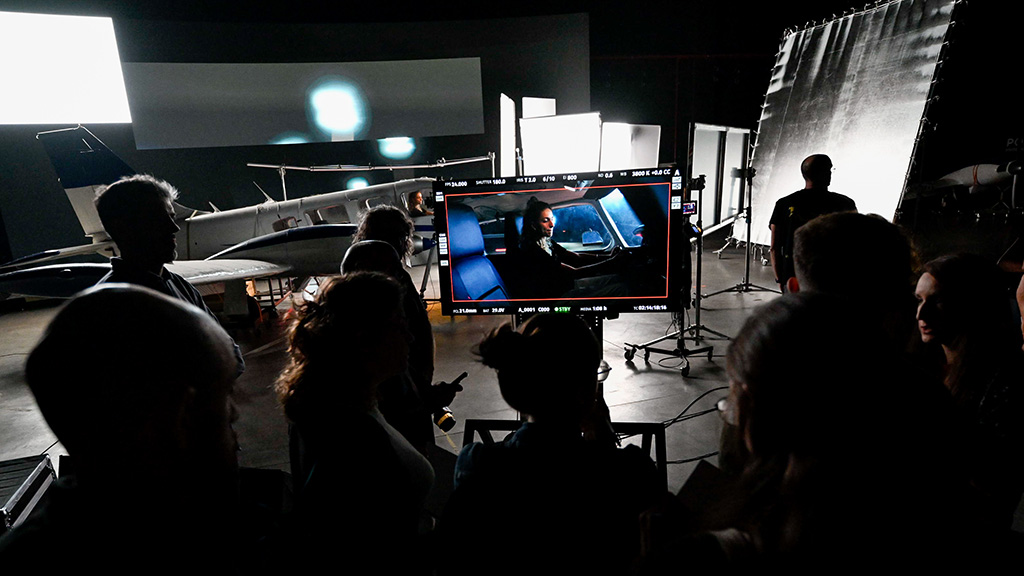
New roles, new languages, new developments
The virtual production It is not just a technical evolution: it is a profound expansion of audiovisual language. Art direction, historically in physical space and in changing light, now finds a territory where rules can be rewritten and the limitations become opportunities.
This paradigm generates hybrid roles: virtual art directors, designers of real-time environments, specialists in look development, VAD supervisors, technical artists capable of translating aesthetic intent into optimized parameters. Each decision reinforces the narrative, visual coherence y viewer experience, and turns each choice into a tool to tell stories in a more intense and controlled way.
The capacity of manipulate light as another material, to design entire worlds that react in real time, to integrate physical and digital elements with absolute coherence, it opens the door to previously unimagined universes.
Hills exciting It is not just perfecting what we already do, but explore everything we haven't created yet. The capacity of manipulate light as another material, to design entire worlds that react in real time, to integrate physical and digital elements with absolute coherence, it opens the door to previously unimagined universes.
Stop the world, shape it and give back movement It is no longer a dream: as an art director, I can guide the narrative, define the overall aesthetic and materialize possibilities that previously only existed in the imagination.
For the first time in the history of the medium, art direction not only builds images: build possibilities. What comes next (the languages, the worlds, the ways of emoting) is yet to be defined.
Shepherd Elorza
Virtual Art Director / CG Supervisor

Did you like this article?
Subscribe to our NEWSLETTER and you won't miss anything.
Related articles
 The Art Institute of Chicago opens to the world with a cinema look and Blackmagic Design
 ARTE unites horror and art in 'Haunted Places' with solutions from Blackmagic Design
 The alliance between Samsung and Vu to bring virtual production to the broadcast world materializes at NAB 2025
 Javier Alvariño returns to the cinema through the front door: Goya for Best Art Direction for 'The Red Virgin'
 IBC opens the call for Technical Presentations for the 2025 edition
 AJA brings WePlay's 12G-SDI signals to Unreal Engine 5 to bridge the real and virtual world
 The balance of realism and cinematographic language in 'The Snow Society' gives Alain Bainée his second Goya for Best Art Direction
 Virtual reality: when will it be a real alternative for the world of entertainment?
 Brompton Technology and Pixomondo build one of the largest virtual production studios in the world in Toronto
 Antena 3 develops a virtual world for real news
 Prominent art directors, construction and special effects technicians will participate in the I Art Direction Forum
 Goodbye to Gil Parrondo, great master of art direction in cinema
 Alain Bainée, a self-taught artist in the art of cinema, Goya for best artistic direction
 ITU establishes new technical specifications for UHDTV