





Three investigations on film clubs, screenwriters and financing receive Berlanga 2026 Grants
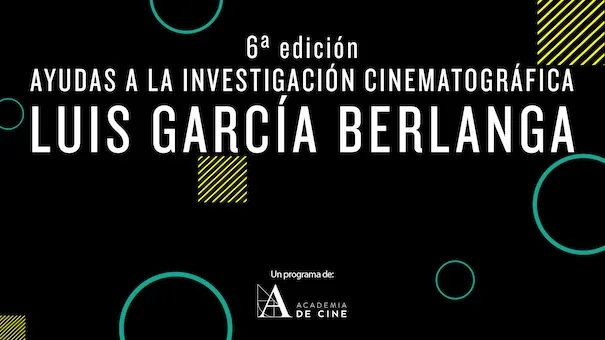
The Film Academy selecciona tres proyectos, entre los 60 presentados, como ganadores de la sexta edición de las Ayudas a la investigación Luis García Berlanga.
El siglo del Cineclub Español (1928-2028) Una experiencia radical de cine y comunidad, de Alicia Grueso Hierro; Entrelíneas: mujeres guionistas durante el franquismo (1939-1975), de Lucía Rodríguez García de Herreros y Elena Oroz; y Procesos de toma de decisión en la inversión cinematográfica: modelos, criterios y efectos, de Andrés Longares, son los tres proyectos escogidos. Cada uno se beneficiará de una ayuda de 12.000 euros para el desarrollo de la investigación.
El comité de selección estuvo formado por el presidente de la Academia de Cine, Fernando Méndez-Leite; la historiadora de cine y directora de Filmoteca Española, Valeria Camporesi; la productora y miembro de la Junta Directiva de la Academia, Piluca Baquero; la programadora Cecilia Barrionuevo; y el periodista y escritor Luis Alegre.
La institución convoca estas Ayudas con el fin de promover y apoyar el desarrollo de trabajos de investigación que contribuyan al conocimiento de la cinematografía española e iberoamericana.
- El siglo del Cineclub Español (1928-2028) Una experiencia radical de cine y comunidad
Propone publicar una cartografía ilustrada del histórico proyecto del Cineclub Español, que se desarrolló de 1928 a 1930. El Cineclub fue un fenómeno colectivo de encuentro participativo y performativo. Fue el primer “festival” de cine en nuestro país que aglutinó durante tres temporadas a los intelectuales de la vanguardia española, aunando la generación del 98 con la joven promesa de la Edad de Plata. Esta actividad provocó un espíritu experimental en el cine español, promoviendo un estallido de nuevas corrientes emergentes como la surrealista. Según se afirmó, llegó a hacer las veces de plataforma pedagógica, siendo la primera “escuela cinematográfica” en nuestro país.
La investigación comprende una etapa donde integrar una experiencia práctica, reconstruyendo la programación original con una muestra de las 15 sesiones que tuvieron lugar y los 80 films históricos proyectados, junto a propuestas seleccionadas del cinema actual. Este proyecto será desarrollado por Alicia Grueso Hierro, Doctora Cum Laude en el programa Arte: Producción e Investigación de la Universitat Politècnica de València (UPV).
- Entrelíneas: Mujeres guionistas durante el franquismo (1939-1975)
El objetivo de este proyecto es ofrecer una nueva mirada al papel de las mujeres en el cine durante el franquismo mediante el análisis de la presencia, trayectorias y contribuciones de las mujeres guionistas al cine español entre 1939 y 1975. Se propone así recuperar nombres, biografías y guiones (incluidos los no materializados), estudiar temas, estilos y géneros, y examinar su relación con instituciones clave del periodo —en especial la censura— y las dificultades específicas que afrontaron para ejercer el oficio en un contexto dictatorial y un ámbito sumamente masculinizado como el cinematográfico.
Esta investigación está desarrollada por Lucía Rodríguez García de Herreros, profesora de Comunicación Audiovisual en la Universitat de València, y por Elena Oroz, profesora en el Departamento de Comunicación de la Universidad Carlos III de Madrid. Ambas forman parte del grupo de investigación TECMERIN.
- Procesos de toma de decisión en la inversión cinematográfica: modelos, criterios y efectos
Esta investigación parte de la premisa de que toda cinematografía es el reflejo de las decisiones de inversión que la financian. La españolada, la nouvelle vague francesa, el cine del sistema de estudios de Hollywood, el Dogma danés de los años noventa o el cine actual de plataformas son expresiones culturales inseparables de los sistemas económicos que las hicieron posibles.
Comprender cómo se toman las decisiones de inversión cinematográfica es, en el fondo, comprender cómo se construye una cultura, porque las decisiones creativas dependen de manera directa de su viabilidad para ser producidas. El objetivo de este proyecto es analizar cómo el diseño de los procesos de toma de decisiones en la financiación cinematográfica influye en los resultados culturales, estéticos y económicos del cine producido y, a partir de ese análisis, proponer un marco conceptual y metodológico que permita optimizar dichos procesos en función de los objetivos de política cultural o de retorno de inversión que se persigan. Todo de la mano del productor de cine Andrés Longares, que desarrollará esta investigación.
Did you like this article?
Subscribe to our NEWSLETTER and you won't miss anything.
Related articles
 The Film Academy announces the 6th edition of the Luis García Berlanga Cinematographic Research Grants
 The film clubs or the set in Spanish cinema, among the projects selected for the Luis García Berlanga Grants
 The 5th edition of the Luis García Berlanga film research aid from the Film Academy arrives
 The Luis García Berlanga Cinematographic Research Grants from the Film Academy return
 FlixOlé and URJC reward the best research on Spanish cinema
 The call for grants for Luis García Berlanga Cinematographic Research, open until November 24
 Telemadrid begins a new process of aid to finance audiovisual works
 The winners of the 'Luis García Berlanga' Cinematographic Research Grants present their projects
The call for the 2nd edition of the Luis García Berlanga Cinematographic Research Grants is open
The winners of the 'Luis García Berlanga' Cinematographic Research Grants present their projects
The call for the 2nd edition of the Luis García Berlanga Cinematographic Research Grants is open
 The researchers who have received the 'Luis García Berlanga' Cinematographic Research Grants present their projects at the Academy
 The Film Academy selects the three projects that will receive the Luis García Berlanga Cinematographic Research Grants
80 projects are submitted for the 'Luis García Berlanga' film research aid
The Academy announces the Luis García Berlanga Program to aid film research
The Film Academy announces the 'Luis García Berlanga Program to aid film research'
The Film Academy selects the three projects that will receive the Luis García Berlanga Cinematographic Research Grants
80 projects are submitted for the 'Luis García Berlanga' film research aid
The Academy announces the Luis García Berlanga Program to aid film research
The Film Academy announces the 'Luis García Berlanga Program to aid film research'