





EURO-3C: la infraestructura europea que aúna telco, edge, cloud e IA para dejar de depender de terceros
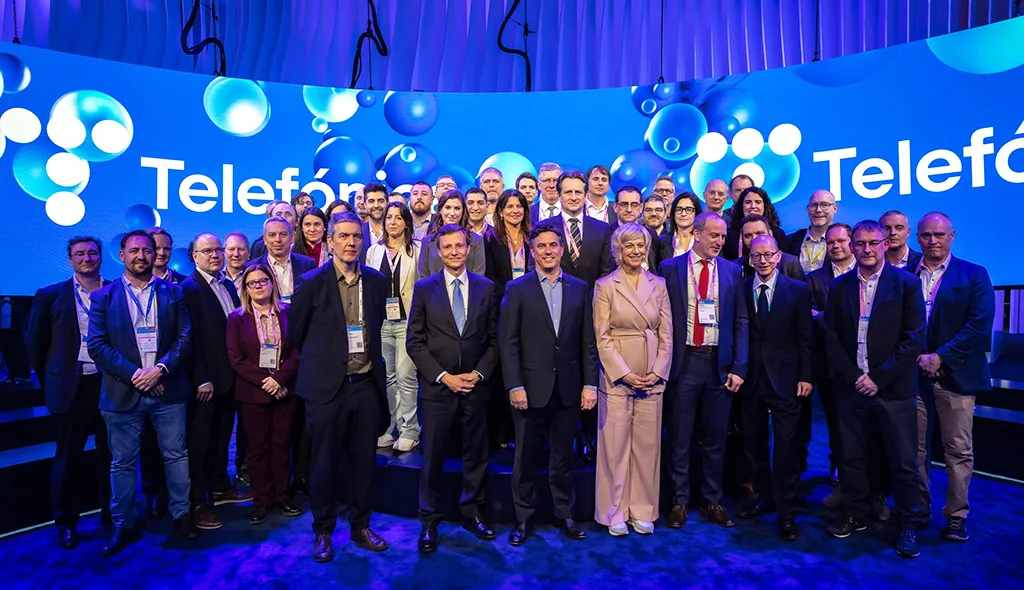
La Comisión Europea y un consorcio de más de 70 entidades europeas lideradas por Telefónica han presentado en el marco del Mobile World Congress (MWC) de Barcelona EURO-3C, la “primera” infraestructura soberana paneuropea que integra capacidades telco, edge, cloud e IA bajo un modelo federado, abierto y seguro, diseñado para acelerar la transformación digital e industrial de Europa.
El anuncio ha tenido lugar hoy en el stand de Telefónica en el MWC26. El evento, que marca la presentación mundial de una iniciativa que ha contado con 75 millones de euros de presupuesto proveniente del programa Horizonte Europa de la Comisión Europea, ha contado con la participación de Renate Nikolay, deputy director general de la Comisión Europea, y Juan Montero, director de políticas públicas, competencia y regulación de Telefónica, marcando un “hito relevante para la consolidación de una infraestructura digital estratégica europea”.
“La Unión Europea ha convertido la soberanía tecnológica y la competitividad industrial en una prioridad. Para lograrlo, no solo se necesitan infraestructuras digitales avanzadas, sino también una estrecha colaboración entre sectores y países. Y el sector de las telecomunicaciones es un actor clave en este esfuerzo. Esto es precisamente lo que EURO 3C pretende ofrecer: una red informática cooperativa a escala europea que aúne las capacidades de las empresas de telecomunicaciones, la conectividad, el Edge y la nube, todo ello mejorado con IA. Se trata de un esfuerzo compartido para reforzar el liderazgo industrial de Europa y sentar las bases de una verdadera soberanía digital”, ha explicado Montero.
Los pilares de EURO-3C
EURO-3C despliega una infraestructura federada multi-telco y multi-proveedor en entornos de producción, con más de 70 nodos edge y cloud distribuidos en más de 13 países europeos. Esta red permite ofrecer servicios digitales avanzados con altos estándares de rendimiento, interoperabilidad y seguridad, dando respuesta a necesidades críticas en sectores como automoción, transporte, energía o seguridad pública, entre otros.
El proyecto se apoya en tres elementos diferenciales: una arquitectura interoperable que conecta capacidades existentes de múltiples operadores y proveedores cloud en un marco común europeo; una colaboración entre operadores, industria, proveedores tecnológicos, pymes y centros de investigación, y nueve casos de uso de alto valor empresarial que demostrarán su aplicabilidad real y escalabilidad. EURO-3C integra además capacidades avanzadas de orquestación habilitada por inteligencia artificial y servicios interoperables, garantizando una infraestructura resiliente, eficiente y preparada para los desafíos de la próxima década.
EURO-3C reúne a más de 70 entidades, entre operadores de telecomunicaciones, proveedores cloud, fabricantes tecnológicos, pymes, universidades, centros de investigación y grandes compañías industriales, consolidando un modelo de cooperación que fortalece la capacidad tecnológica europea en las partes clave de la cadena de valor digital: Telefónica, Eurescom, British Telecom, Capgemini, Citymesh, Deutsche Telekom, Elisa, Engineering, Ericsson, Ionos, IDC, KPN, MEO, Nokia, Orange, OVH, Suse, Swisscom, Fastweb, Telenor, TIM, Thales, Vodafone, Fogus, Krateo, Martel, Nearby, Nextworks, OpenNebula, Real Wireless, Scille, Sedicii, Ubitech, Wings, CTTC, F. Bruno Kessler, Fraunhofer, IMEC, INRIA, ITAV, POLITO, PCSS, TNO, UC3M, UOULU, ECSO, ETSI, PSCE, AIT, Bavarian Red Cross, ITTI, Frequentis, Meditech, Stellantis, Teltronic, Electricite de France, Harman, CAF, Multiverse Computing y OGRE.
Did you like this article?
Subscribe to our NEWSLETTER and you won't miss anything.
Related articles
 LTN renueva su cúpula técnica para dejar atrás el satélite y centrarse en el transporte de vídeo IP
 La producción independiente europea manifiesta su “preocupación” por la propuesta europea AgoraEU (2028-2034)
 Atomos aúna HDMI, SDI, cloud y CFexpress en su nuevo monitor-grabador Ninja TX
 La Liga Europea de Fútbol prepara una infraestructura de producción remota en la nube con AWS
 Globecast crea la primera plataforma de cabecera de vídeo en nube pública impulsada por AWS para una telco europea
 Telefónica and Qwilt develop a new content distribution system for third parties
 Láser de gran potencia: la próxima solución de las telco para luchar contra los rayos
 Haivision ya permite gestionar redes de vídeo edge vía cloud a través de la plataforma Haivision Hub
 5G, edge computing y conectividad remota, claves de Hispasat para el MWC
 Fastly, primer partner que ofrece en Google Cloud Marketplace una solución de distribución de contenido en el edge
 Gaia-X: la nube europea que pretende romper la hegemonía de Amazon, Microsoft y Google en el cloud
 Cellnex ampliará capital por 2.500 millones de euros para la compra de la división telco de Arqiva
 La Unión Europea abre una consulta pública para revisar las normas sobre copyright para radiodifusión por satélite y cable
 Luxemburgo valida la tasa impuesta a las telco para financiación de France Tèlèvisions