





Cuando el público se convierte en contenido: los riesgos de la reutilización de imágenes
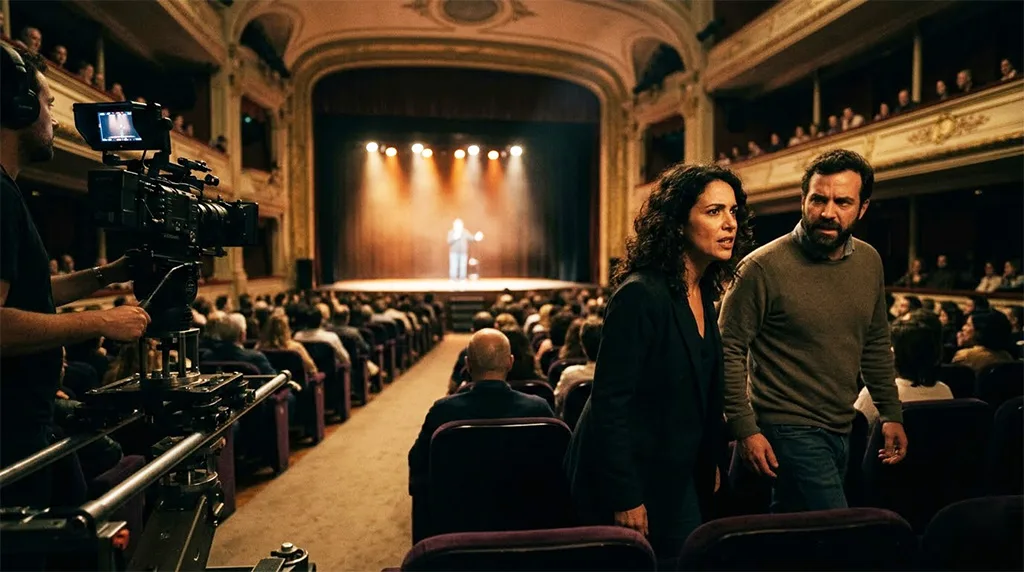

En esta tribuna, Julia Martínez Zaragoza, abogada en Bardají & Honrado Abogados, se basa en una reciente sentencia del Tribunal Europeo de Derechos Humanos que envolvió a la portuguesa SIC para abordar la utilización de imágenes del público en diferentes formatos audiovisuales, un ámbito complejo que televisiones y productoras deben abordar con especial atención.
En los últimos años, los formatos televisivos y de entretenimiento en directo —como el teatro o los monólogos— han evolucionado hacia modelos en los que el público deja de ser un mero espectador para convertirse en parte activa del espectáculo. Sus reacciones, aplausos e intervenciones espontáneas no solo acompañan el contenido, sino que, en muchos casos, lo construyen.
Sin embargo, esta creciente integración del público no está exenta de implicaciones jurídicas. El verdadero riesgo no suele situarse en la grabación en sí, sino en el uso posterior de esas imágenes, especialmente cuando se reutilizan con fines promocionales.
En este contexto, surge una cuestión clave: si el público participa y es grabado como parte del formato, ¿hasta qué punto pueden utilizarse esas imágenes fuera de ese marco original? Es aquí donde cobra relevancia la distinción entre el uso promocional in context y out of context de las imágenes, un concepto conocido en otros ámbitos —como el sector musical, donde se utiliza para delimitar el uso de obras musicales en producciones audiovisuales—, pero que en este contexto adquiere matices propios
El caso de la portuguesa SIC
Una reciente sentencia del Tribunal Europeo de Derechos Humanos, en el caso SIC – Sociedade Independente de Comunicação, S.A. contra Portugal (Nº 2) arroja luz sobre esta cuestión y establece un precedente en la materia. El caso en cuestión versa sobre un monólogo que tuvo lugar en un teatro en Lisboa, el cual fue grabado para su posterior emisión en television y puesta a disposición del público a través de internet.
A la entrada del auditorio se instalaron avisos de grabación, y el propio cómico también lo recordó al inicio del espectáculo. Sin embargo, a raíz de una serie de comentarios, dos asistentes molestos por los comentarios del cómico se enzarzaron en una acalorada discusión con él mientras abandonaban la sala.
El verdadero riesgo no suele situarse en la grabación en sí, sino en el uso posterior de esas imágenes, especialmente cuando se reutilizan con fines promocionales.
Posteriormente, la discusión se incluyó en una serie documental sobre la carrera del cómico y, además, se utilizó como material promocional para dicha serie, difundiéndose en a través de la television and in YouTube. Los asistentes, que se sintieron humillados y ridiculizados, solicitaron la retirada de las imágenes a la cadena, la cual declinó toda responsabilidad. Por ello, demandaron a la cadena y la resolución en primera instancia consideró que el consentimiento tácito (derivado de asistir a un evento que se estaba grabando) era suficiente y que la cadena actuó de buena fe. Sin embargo, el elemento determinante no residía en la captación inicial de la imagen, sino en su uso posterior, descontextualizado y con una finalidad promocional respecto del espectáculo original.
Los asistentes recurrieron la resolución, y el Tribunal Supremo portugués revocó la decisión. Condenó a la empresa a una indemnización de 40.000 € y a retirar las imágenes, argumentando que, si bien podría existir un consentimiento tácito para ser grabado como parte del público durante el espectáculo, este no se extendía a la edición y uso de su imagen fuera de contexto, especialmente en un vídeo promocional que los retrataba de forma negativa. Para tal fin, se requería un consentimiento expreso e inequívoco.
Ahora, el Tribunal Europeo de Derechos Humanos (TEDH) ha dado la razón al Tribunal Supremo portugués y si bien reconoce el derecho a la libertad de expresión -tal y como había alegado la parte demandada-, en este caso prevalecía el derecho a la vida privada and to the propia imagen de los asistentes.
El marco regulador en España
La decisión del TEDH se alinea perfectamente con la protección que otorga el ordenamiento jurídico español, tanto en su estado actual como en la dirección que marca la futura reforma. La protección de la imagen y la intimidad está blindada por nuestra normativa, principalmente a través de dos vías:
- El derecho fundamental a la propia imagen: Regulado en la “Ley Orgánica 1/1982, de 5 de mayo, de protección civil del derecho al honor, la intimidad personal, familiar y a la propia imagen”, establece que la captación o publicación de la imagen de una persona sin su consentimiento constituye una intromisión ilegítima. Si bien el Artículo octavo de la Ley contempla algunas excepciones (imagen accesoria en eventos públicos, por ejemplo), la jurisprudencia española es clara al interpretar estas excepciones de forma restrictiva. Por su parte, el Anteproyecto de reforma de esta Ley Orgánica aprobado el pasado mes de enero de 2026 refuerza y adapta esta protección a las nuevas corrientes y a la realidad del sector, manteniendo sus principios fundamentales.
- Por otro lado, y como ya se ha analizado en tribunas anteriores, la imagen de una persona es un dato personal, puesto que la hace identificable. Por tanto, cualquier tratamiento (grabación, edición, difusión) debe tener una base de legitimación válida y tratarse para una finalidad concreta y legítima, de acuerdo con la normativa aplicable.
Este estándar, sin embargo, no es fácil de trasladar a la práctica. Los formatos de entretenimiento en directo se nutren precisamente de la espontaneidad y de la reacción imprevisible del público, lo que dificulta anticipar y acotar todos los posibles usos de las imágenes.
Los formatos de entretenimiento en directo se nutren precisamente de la espontaneidad y de la reacción imprevisible del público, lo que dificulta anticipar y acotar todos los posibles usos de las imágenes.
A ello se suma la lógica comercial del sector, donde la reutilización de contenidos —especialmente aquellos más llamativos o controvertidos— forma parte habitual de la estrategia de promoción. En este contexto, la exigencia de un consentimiento específico para cada posible explotación introduce una fricción evidente entre la creatividad, la explotación comercial y el respeto a los derechos fundamentales.
Por último, es importante mencionar que esta mayor flexibilidad es propia de los formatos en directo, y, por lo tanto, pierde parte de su justificación cuando el contenido se somete a un proceso de edición, en el que existe la posibilidad —y, en ciertos casos, la expectativa— de eliminar aquellas imágenes más controvertidas o potencialmente lesivas antes de su difusión o reutilización.
Algunas claves para el sector
A la luz de la normativa y la jurisprudencia, confiar en un simple cartel a la entrada del lugar de grabación o en el consentimiento tácito es insuficiente para cubrir todos los usos posteriores de las grabaciones. En este sentido, pueden destacarse algunas ideas clave:
- El consentimiento no es un concepto abstracto ni ilimitado.
- La información facilitada al público debe ser coherente con el uso efectivo de las imágenes, debiendo evitarse que la información se convierta en un mero trámite formal.
- The reutilización de contenidos —especialmente con fines promocionales— constituye el principal punto de fricción jurídica: no todo uso promocional es problemático, pero sí lo es aquel que altera el contexto original o proyecta una imagen distinta de la que el asistente razonablemente podía prever (es decir, aquel que se realiza “out of context”).
- Cuando una persona deja de ser un elemento accesorio y pasa a ocupar un papel protagonista (por ejemplo, en situaciones conflictivas o especialmente expuestas), el estándar de protección se intensifica y el margen de uso se reduce significativamente.
Más allá de estas pautas, el verdadero punto crítico reside en la distinción entre el uso in context y out of context de las imágenes. La grabación de un espectáculo implica, en principio, la aceptación de formar parte de ese contexto concreto (uso in context). Sin embargo, cuando esas imágenes se extraen, se editan o se reutilizan en entornos distintos —como campañas promocionales, avances, documentales o contenidos digitales—, el uso puede pasar a ser out of context, incluso aunque materialmente proceda de la misma grabación.
How much mayor es el protagonismo del público, mayor es también el riesgo de instrumentalizar su imagen.
En la práctica, esta distinción suele percibirse como una cuestión menor dentro de la dinámica diaria de producción. Sin embargo, como demuestra el caso analizado, la falta de claridad en este punto puede tener consecuencias jurídicas relevantes. Precisamente por ello, anticipar estos escenarios y definir con precisión los límites de uso no es solo una precaución recomendable, sino una herramienta eficaz para evitar conflictos futuros.
El caso SIC c. Portugal no solo fija un límite a nivel jurídico, sino que evidencia una tensión estructural en el sector: cuanto mayor es el protagonismo del público, mayor es también el riesgo de instrumentalizar su imagen. Asumir esta tensión —y gestionarla con criterios jurídicos sólidos— será clave para el desarrollo sostenible de estos formatos.
Julia Martínez Zaragoza
Abogada en Bardají&Honrado

Did you like this article?
Subscribe to our NEWSLETTER and you won't miss anything.
Related articles
 Cuando se retira el consentimiento en la cesión de derechos de imagen para obras audiovisuales: un equilibrio complejo
 Cinematography looks in color grading: Where and when?
 Ronen Artman (LiveU): “PAYG expands production capacity without risks”
 When fiction is inspired by real events: legal conflicts and a key ruling
 José Manuel Lorenzo (DLO): “We take more risks when we move away from the originals”
 ¿Puedo usar un personaje de dominio público en mi obra audiovisual?
 Fastly y Okta se unen para ofrecer protección de identidad contra los riesgos de seguridad y fraude
 AJA no participará en NAB 2020 ante los riesgos del Coronavirus
 ¿Qué ventajas y riesgos supondrá el 5G para el sector audiovisual?
 Ventajas y riesgos del 5G en el sector audiovisual
 Ghislain Barrois: “con la crisis, cuando el público va al cine no quiere salir defraudado”
 APPA organiza un encuentro sobre riesgos laborales y seguridad en la producción
 LaSexta On: tv dónde, cómo y cuándo quieras
 LiveSearchTv notifies the viewer when content is broadcast that includes a certain keyword