





'Cell 211', José María Forqué Award
EGEDA brought together the entire industry last night at the Madrid Conference Center to present the 15th José María Forqué Film Award. The producers have awarded 'Celda 211', Lola Dueñas, Luis Tossar and have given the entity's Gold Medal to Luis Fernández, president of Filmax.
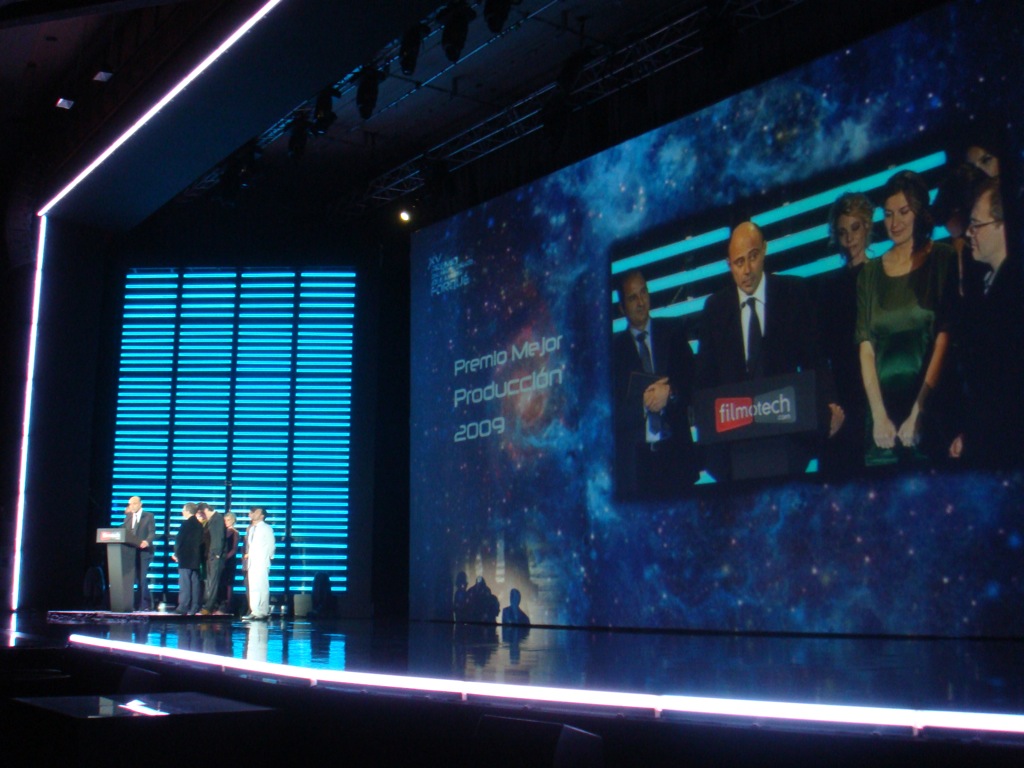
Last night at the Madrid Congress Palace, in a ceremony presided over by the Minister of Culture Ángeles González Sinde, the gala for the presentation of the XV José María Forqué Prize was held. On this occasion, rather than an award, we would have to talk about awards, since the original award has now been added to those for best actress and actor, as well as the EGEDA gold medal. The ceremony, with a fresh script written and directed by Juan Estelrich, under the executive production of Rafael González and simple but effective lighting supervised by Pérez Arribas and Pato Bessia, was led by Mar Flores and Alex O'Dogherty.
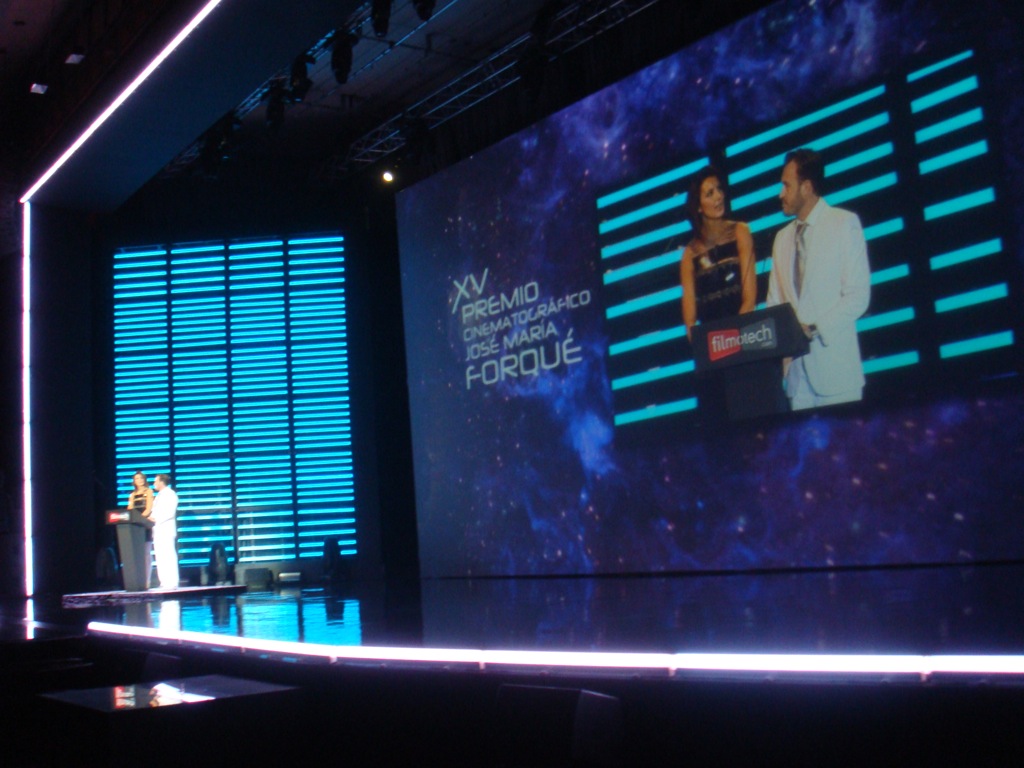 The José María Forqué Award, established by EGEDA, is an award that each year recognizes the best Spanish film productions for their technical and artistic values. Currently, it is one of the most prestigious awards in the Spanish film industry and a must-see event for all professionals in the audiovisual sector (actors, directors and producers) and many personalities from other areas of culture, as well as the highest political authorities.
Cell 211, Best Film
The José María Forqué Award for best feature film, worth 30,000 euros, has gone on this occasion to Cell 211, a film directed by Daniél Monzón, and produced by Vaca Films, Morena Films, Telecinco Cinema and La Fabrique de Films. Carles Gusi was in charge of the photography, Mapa Pastor was in charge of the editing.
Cell 211 finally prevailed Now, by Alejandro Amenábar; The victory dance, by Fernando Trueba; The secret of his eyes, by Juan José Campanella; and Me too, by Antonio Naharro and Álvaro Pastor.
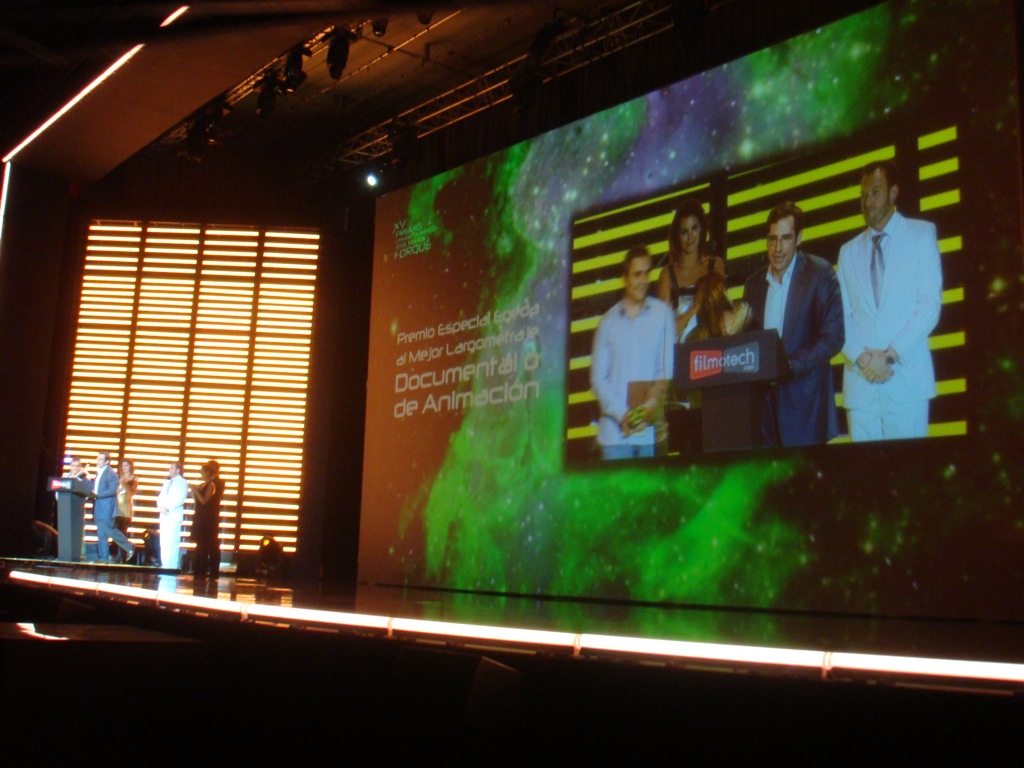 As for the special prize for the best documentary and/or animated feature film, worth 6,000 euros, by decision of the EGEDA partners, it went to Planet 51 by Ilion Animation. Its producers, Ignacio Pérez and Jorge Blanco, upon collecting the award, assured that Spain has the best pool of animators in the world, demanding greater recognition for professionals so that they do not end up developing their "spectacular potential outside of our country."
On the other hand, this year, EGEDA, in collaboration with the AISGE Foundation and the Press Association, have established a specific award for film interpretation to highlight the work of actors and actresses in Spanish feature films each year. Lola Dueñas for her role in Me too and Luis Tossar for his performance in Cell 211 They have thus become the first performers to have a Forqué Award to their credit. Javier Fesser and Belén Rueda have been in charge of presenting these new awards.
Gold Medal for Julio Fernández
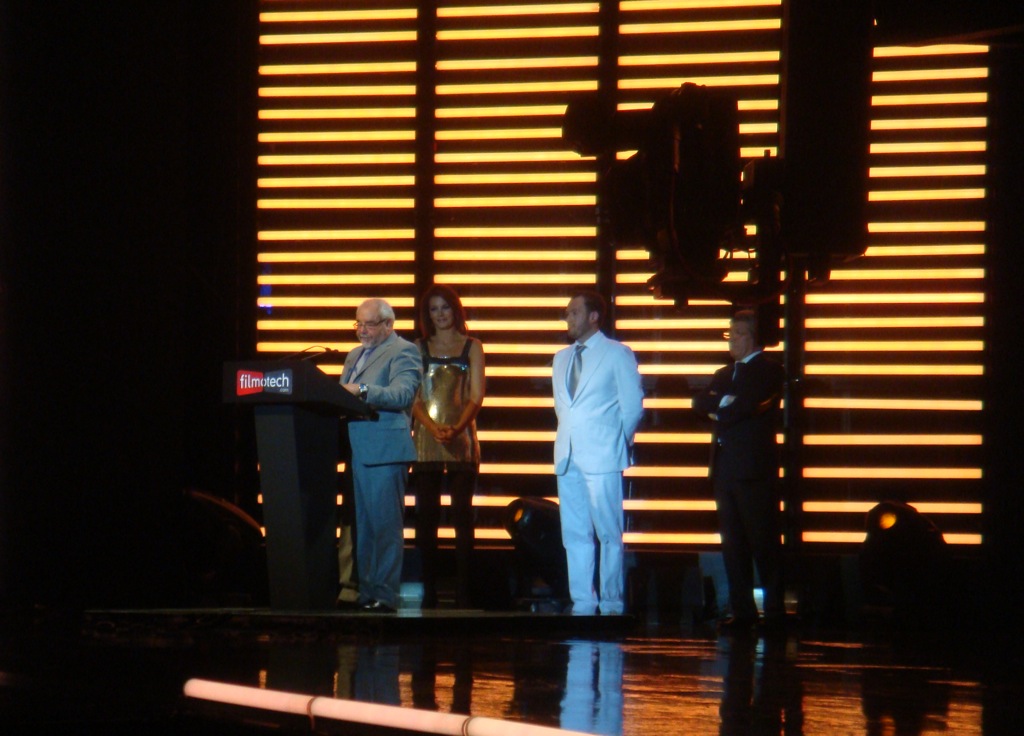
The Board of Directors of EGEDA has decided to award producer Julio Fernández, president of Filmax Entertainment, the institution's Gold Medal. Born in A Fonsagrada (Lugo), Fernández has been a pioneer in the production of fantastic and horror films, being one of the producers who has worked the most and influenced this genre in our country through the Fantastic Factory, from which titles such as Darkness, by Jaume Balagueró, Romasanta, by Paco Plaza, Arachnid, by Stuart Gordon and as latest productions [REC], by Jaume Balagueró and Paco Plaza, which has become the most successful franchise in Spanish horror cinema in recent years, The Kovak box, by Daniel Monzón or The Machinistby Brad Anderson. Another of the genres that Julio Fernández has opted for and in which he has been a pioneer is that of animated films. For this, Filmax created Bren Entertainment, an animation factory from which productions such as Pérez, the little mouse of your dreams (2007), Donkey Xote (2007), P3K: Pinocchio 3000 (2004), and other 2D animation works such as nocturnal (2007), Gisaku (2006), o El Cid: the legend (2003).
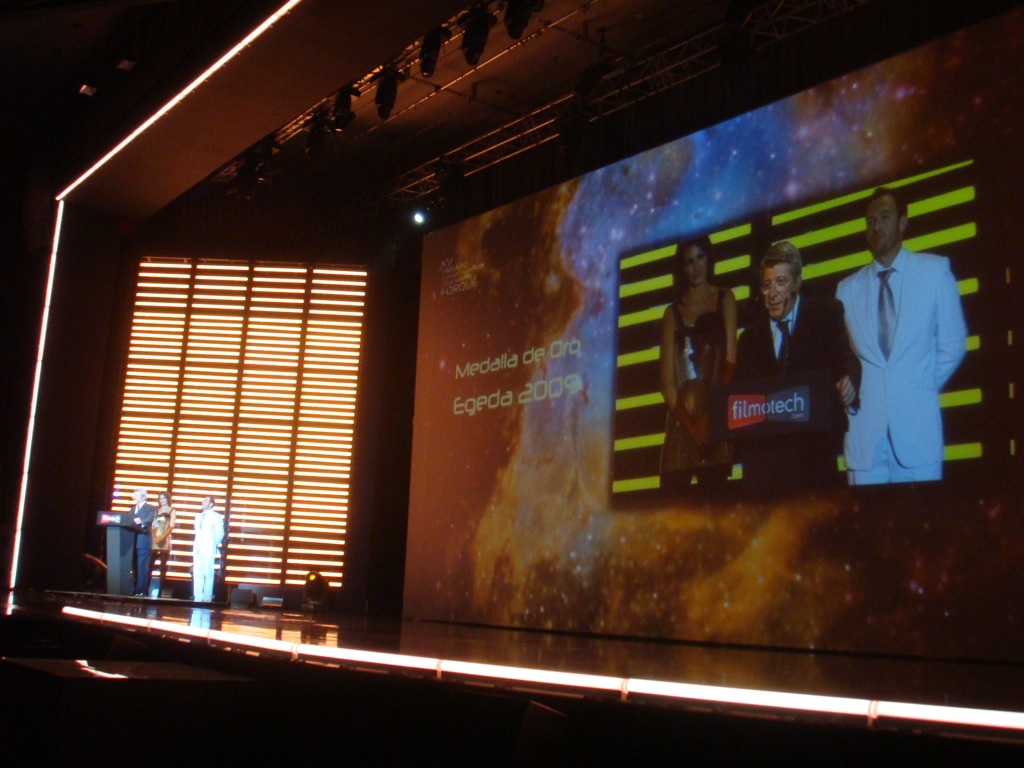 The president of EGEDA, Enrique Cerezo, was in charge of presenting this Medal to Luis Fernández, who after thanking the entity's members for the recognition, wanted to highlight the figure of the producer "since thanks to his tenacity, Spanish cinema is consolidating with auteur, fantasy, animation films... which are also being seen all over the world." Fernández commented that, despite the economic crisis, and the technological revolution that the industry is experiencing, “cinema can become the locomotive of development in our country.”
In his speech, Enrique Cerezo highlighted that Spanish cinema closed 2009 increasing revenue by 35%, with months like December with a screen share above 45%. However, the good moment that cinema is going through in our country is marred, in the opinion of the president of EGEDA, by the lack of real and effective protection of intellectual property rights, "fair remuneration for those who work that, if not respected, puts the employment of thousands of professionals in danger."
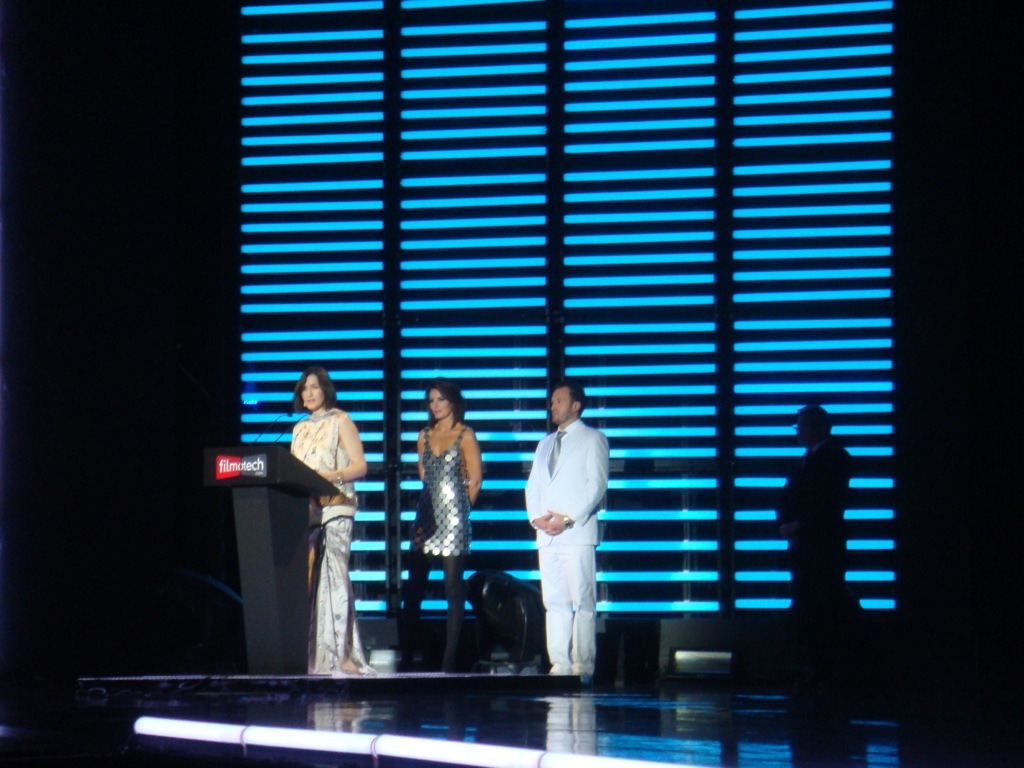 Coinciding with the parliamentary process of the Sustainable Economy Law, Cerezo did not want to miss the opportunity to demand that the different political groups "not overlook the great strategic asset that cinema is for our economy."
The gala for the XV José María Forqué Awards was closed by the Minister of Culture, Ángeles González Sinde, who commented that after the excellent harvest of 2009, “now the challenge is to continue growing, strengthening the connection with the public.”
Did you like this article?
Subscribe to our NEWSLETTER and you won't miss anything.
Related articles
 Spanish audiovisual will shine at the 31st edition of the José María Forqué Awards
 José Luis Garci, Gold Medal of the 30th edition of the Forqué Awards
 Producer José Luis Bermúdez de Castro will receive the Gold Medal at the 28 Forqué Awards
 José María Morales, winner of the first Rayo Verde Award from the Film Academy and Greenpeace
 The producer José Antonio Félez, gold medal of the 27th edition of the José María Forqué award
 'The Girls' and 'Antidisturbios', best Spanish productions at the 26th José María Forqué Awards
 Fernando Colomo and Beatriz de la Gándara, EGEDA Gold Medal at the 26 José María Forqué Awards
 'Adú', 'Akelarre', 'Rosa's Wedding' and 'The Girls' will compete for best film at the 26th José María Forqué Awards
 The tribute to comedians and the cinema that accompanies us in our lives, axes of the XXI José María Forqué Awards
 The XIV José María Forqué Film Award already has finalists
 The Higher School of Cinema and Audiovisuals of Catalonia (ESCAC), National Prize for Creativity José Maria Ricarte
 The 17th José María Forqué Prize already has finalists
 José María Íñigo, Lifetime Achievement Award from the Academy
 EGEDA announces the finalists of the José María Forqué Award