





José Luis Garci, Gold Medal of the 30th edition of the Forqué Awards
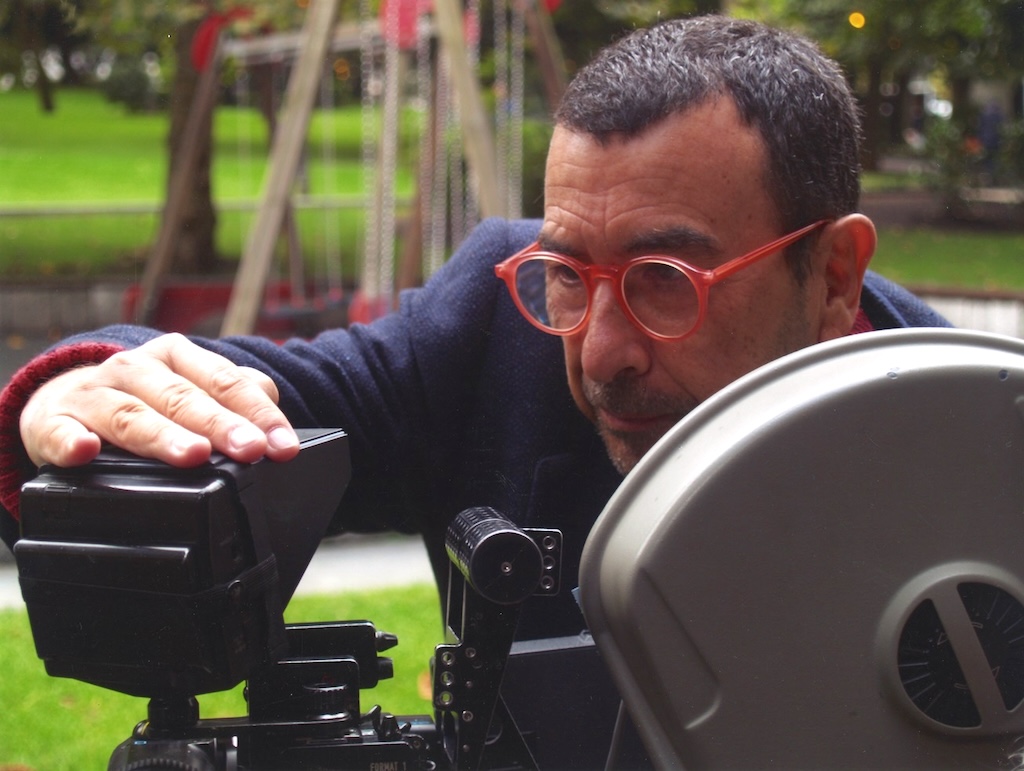
El director, productor, guionista y divulgador del cine español, José Luis Garci, será homenajeado el próximo sábado, 14 de diciembre, con la Medalla de Oro de la 30ª edición de los Premios Forqué que entrega EGEDA para reconocer la labor de una figura fundamental para la industria del audiovisual.
Enrique Cerezo, presidente de EGEDA, ha destacado que “este reconocimiento que EGEDA otorga a José Luis Garci no es más que el reflejo de su impagable labor durante más de medio siglo al servicio de nuestro audiovisual. A su conocida faceta como director se suma su gran labor como productor de algunos de los mejores títulos de nuestro cine, así como su gran talento como guionista que, desde la su más temprana juventud, ha dado lugar a obras de gran calidad. Su filmografía, en la que se dan la mano las bases del cine clásico con los nuevos temas y estilos propios de la renovación artística y social de nuestro país, es testimonio de nuestra historia reciente y una parte valiosísima del patrimonio fílmico español, al que ha legado historias, personajes y momentos inolvidables. Además, debemos agradecer a Garci la puesta en valor del séptimo arte a través de su papel como divulgador, tanto en radio como televisión; una faceta que no solo lo convierte en uno de los profesionales del audiovisual más comprometidos con su oficio, sino que además lo consagra como uno de los más devotos amantes del cine de hoy y de siempre”.
Este reconocimiento, que José Luis Garci recibirá durante la gala del 30 aniversario de los premios en el Palacio Municipal IFEMA-Madrid, se une a la larga estela de galardones, nacionales e internacionales, que coronan la carrera del cineasta. Entre ellos destacan el primer Óscar a una película en castellano con “Volver a empezar” (1982), el primer Emmy concedido a la televisión española por “La cabina” (1972), que guionizó junto a Antonio Mercero; el Goya a Mejor Dirección por “Asignatura aprobada” (1987), el Premio Nacional de Cinematografía y la Medalla de Oro al Mérito en las Bellas Artes.
Además de su carrera como director y guionista, con títulos célebres como la trilogía de “El crack” (1981, 1983 y 2019) o “El abuelo” (1998), bajo la producción de Garci constan créditos en cintas históricas del audiovisual español, tanto dirigidas por él mismo bajo la productora Nickel Odeon como por otros grandes nombres de la industria como Miguel Picazo (“Extramuros”, 1985), Helena Taberna (“Yoyes”, 2000) o José María González-Sinde (“Viva la clase media”, 1980).
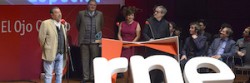
Entre sus múltiples facetas como profesional y erudito del séptimo arte, destaca su presencia como presentador, director y divulgador en programas de televisión como “¡Qué grande es el cine!”, con diez años de emisión en RTVE, o “Classics”, y de radio como “Cowboys de medianoche”, le han valido tres Antenas de Oro y el premio Ojo Crítico de RNE.
Un cineasta multifacético
Desde sus inicios como apasionado del séptimo arte en 1963, José Luis Garci (Madrid, 1944) destaca por su amplio conocimiento del audiovisual mundial, como demuestran sus primeros textos en revistas cinematográficas que pronto se verían recompensados con sus primeros premios literarios.
Sin embargo, su incursión definitiva en la industria se produce con la escritura del guion de “El cronicón” (Antonio Giménez Rico, 1969) seguido por “La casa de las chivas” (León Klimovsky, 1972) para desembocar junto con su amigo el director Antonio Mercero en el argumento de la exitosa “La cabina” (Antonio Mercero, 1972), que lo consolidaría como un profesional de relevancia dentro del audiovisual español e internacional al recibir el que por entonces fuera el único premio Emmy concedido a una producción española.
Tras este primer galardón, escribe para el productor José Luis Dibildos, con el que funda el movimiento conocido como “La Tercera Vía”, los guiones “No es bueno que el hombre esté solo” (Pedro Olea, 1973), “Una gota de sangre para seguir amando” (Eloy de la Iglesia, 1973), “Los nuevos españoles” (Roberto Bodegas, 1974) y “Vida Conyugal Sana” (Roberto Bodegas, 1974).
Nuevamente junto a Mercero, celebra el éxito de “La Gioconda está triste” (Antonio Mercero, 1977), basada en un relato del propio Garci, en el Festival de TV de Montecarlo, y ocupa por primera vez el papel de director en los cortometrajes “¡Al fútbol!” (1977) y “Mi Marilyn” (1977) respaldado por su amigo y cineasta José María González-Sinde.
Es él quien produce “Asignatura pendiente” (1977), su primer largometraje a la dirección, al que suceden “Solos en la madrugada” (1978) y “Las verdes praderas” (1979), películas sociales en consonancia con la situación de transición que vive España. Los papeles se revierten cuando el propio Garci actúa y produce “Viva la clase media” (González-Sinde) en 1980, un año clave para la carrera del cineasta al fundar Nickel Odeon, productora bajo la que lanza “El crack” (1981), película de culto y uno de los máximos exponentes del nuevo cine negro español en la que, por primera vez, el intérprete protagonista Alfredo Landa abandona los papeles cómicos que hasta entonces habían caracterizado su carrera para ponerse en la piel de Germán Areta, un detective privado curtido en los bajos fondos de Madrid.
Su filmografía se vuelve imparable cuando “Volver a empezar” (1982) se alza con el Óscar a Mejor Película de Habla No Inglesa convirtiéndose en la primera película en castellano y primera producción española en alzarse con el galardón. Al éxito en Hollywood lo suceden el regreso de Germán Areta en “El crack II” (1983), “Sesión continua” (1984), un homenaje al cine clásico que volvió a cosechar una nueva candidatura al Óscar, y, tras una pausa de tres años, “Asignatura aprobada” (1987), que consigue alzarse con una nueva candidatura al Óscar y con el Goya a Mejor Dirección.
La primera incursión televisiva de José Luis Garci se da con la serie “Historias del otro lado” (1988-1996), cuyo episodio “Mnemos” (1988) fue elegido para representar a TVE en los Emmy. Tras ello, estrena las adaptaciones literarias “Canción de cuna” (1994), “La herida luminosa” (1997) y “El abuelo” (1998), candidata esta última al Óscar.
El inicio del nuevo milenio queda marcado por la salida del díptico “You’re the one (una historia de entonces)” (2000) e “Historia de un beso” (2002). A éstas le siguen “Tiovivo c. 1950” (2004), “Ninette” (2005), “Luz de domingo” (2007) y “Sangre de mayo” (2008). Tras la salida a las pantallas de “Holmes & Watson. Madrid Days” (2012), José Luis Garci anuncia su retirada del cine, mantenida hasta el estreno de “El crack cero” (2019), que cierra la célebre trilogía de Germán Areta con una precuela en la que el protagonista es interpretado por Carlos Santos.
Además de por sus producciones audiovisuales, Jose Luis Garci se ha convertido en un rostro conocido en las pantallas de los españoles por su labor divulgativa en programas de radio y televisión, desde los que repasa la historia y el valor de algunas de las joyas fundamentales del séptimo arte. De entre ellos, sobresalen “¡Qué grande es el cine!” (TVE, 1995-1996/1997-2005), “Cine en blanco y negro” (Telemadrid. 2009-2012), “Classics” (13TV, 2021-2024) y “Cowboys de medianoche” (COPE, 2001-2009; esRadio, 2009-actualidad).
Asimismo, el galardonado con la Medalla de Oro cuenta en su haber con numerosos títulos literarios, la mayoría de ellos relacionados con la divulgación audiovisual, de los que destacan “Ray Bradbury, humanista del futuro”, “Adam Blake”, “Morir de cine”, “Beber de cine”, “Noir”, “Las siete maravillas del cine”, “Campo del Gas”, “Insert Coin”, “Películas malas e infravalorados”, “El toque Lubitsch y otros roces” o “Telegramas cinéfilos”. Esta obra como escritor también lo ha hecho merecedor de reconocimientos como los premios Puerta de Oro de Relatos, Clarín, Pluma de Plata, Nueva Dimensión, Mariano de Cavia, González Ruano y Continente de Periodismo.
Did you like this article?
Subscribe to our NEWSLETTER and you won't miss anything.
Related articles
 Spanish audiovisual will shine at the 31st edition of the José María Forqué Awards
 The co-founder of Vaca Films, Emma Lustres, will receive the EGEDA Gold Medal at the Forqué Awards
 ‘El 47’ and ‘Querer’ win the 30th edition of the Forqué Awards
 The Forqué Awards make public the disputed list of nominations for its 29th edition
 Eduardo Campoy will receive the EGEDA Gold Medal at the Forqué Awards
 José Luis Garci, RNE Sant Jordi Award for Cinematography for Lifetime Achievement
 ‘As Bestas’ and ‘Apagón’, big winners of the 28th edition of the Forqué Awards
 Producer José Luis Bermúdez de Castro will receive the Gold Medal at the 28 Forqué Awards
 The producer José Antonio Félez, gold medal of the 27th edition of the José María Forqué award
 Fernando Colomo and Beatriz de la Gándara, EGEDA Gold Medal at the 26 José María Forqué Awards
 Gonzalo Suárez will receive the Gold Medal of the 25th edition of the Forqué Awards
 RNE honors José Luis Garci at the 2016 El Ojo Crítico awards ceremony
 José Luis Alcaine receives the Gold Medal from the Academy
 José Luis Alcaine, Gold Medal from the Film Academy