





Radiotelevizija Eslovenia (RTV), primer broadcaster que digitalizará sus fondos con Noa Record 4
El ente público Radiotelevizija Eslovenia (RTV) será el primer broadcaster que implementará el nuevo sistema Record 4 de Noa Solutions de cara a una rápida y precisa migración de audio analógico a digital de sus fondos. Noa Record 4 es capaz de ingestar simultáneamente cuatro streams paralelos de audio analógico.
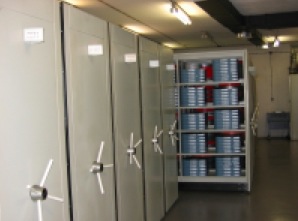 El ente público Radiotelevizija Eslovenia (RTV) será el primer broadcaster que implementará el nuevo sistema Noa Record 4 de Noa Solutions de cara a una rápida y precisa migración de audio analógico a digital de sus fondos.
RTV, que ya trabaja con Noa MediARC para la digitalización y la gestión de sus archivos de audio, también está expandiendo sus unidades con Noa CD Lector para la ingesta pasando de cuatro a ocho canales para duplicar el rendimiento y su capacidad.
Martin Zvelc, asesor técnico de RTV, ha comentado que “tras evaluar soluciones de archivo utilizados en otras partes de Europa, estamos más convencidos que nunca que el sistema de Noa que usamos todos los días es el mejor para este tipo de trabajo. Para el personal de RTV, el sistema Noa MediARC es esencial para ayudarnos a administrar nuestro importante volumen de archivos de audio”.
El Record 4 es parte de la familia Noa de ingesta en línea que, junto a la solución Noa MediaARC, conforman una solución integral para la gestión de activos de audio almacenados. Desarrollado para satisfacer las necesidades de las empresas como RTV que tienen un alto volumen de audio almacenado en cintas magnéticas de larga duración o de vinilo, el Noa Record 4 ingesta simultáneamente cuatro streams paralelos de audio analógico. En RTV, dos de los cuatro canales de grabación de Noa se dedicarán exclusivamente a la digitalización de grabaciones guardadas en discos de vinilo.
La propuesta de Noa comprende el software de grabación, la estación de trabajo N6071, y el hardware N6000A, así como los convertidores A/D. RTV también ha implementado el módulo N6035A para análisis óptico de cinta que utiliza el estudio avanzado de la transparencia para identificar los arañazos así como la pérdida de la capa magnética en cinta analógica, lo que permite la detección de su estado de forma precisa, incluso a 76 cm/seg. Esta información es muy valiosa para la descripción coherente de archivo y la evaluación de la calidad de la transcripción.
Did you like this article?
Subscribe to our NEWSLETTER and you won't miss anything.
Related articles
 The RTVE Archive digitizes its film collections from the 70s
 Radio Best (Slovenia) renews its studio with the Capitol IP digital console from AEQ
 Da Ai TV: first Taiwanese broadcaster to implement SMPTE ST 2110 with Imagine
 NOA will digitize the Abu Dhabi Media archive, made up of more than 340,000 hours of video
 24.8 million Next Generation EU funds for the creation of digital ecosystems in the audiovisual sector
 Bolivian Cinemateca Foundation restores its historical collections with a Cintel scanner
 The documentary receives only 6% of public aid from film funds
 Telemadrid confía su transición tecnológica a los fondos europeos
 DAMA aumenta un 75,2% su presupuesto para fondos asistenciales
 RTV Slovenia transforms its news workflow with Dalet Galaxy Five
 Slovenia's biggest marathon covered by Planet TV with solutions from TVU Networks
 Telemedellín, the first public broadcaster in Colombia, which broadcasts in high definition
 RTV Slovenia chooses Enterprise sQ for news and sports production
 RTVE will digitize one million tapes with the help of Tedial