





TC Electronic's DB4 MKII and DB8 MKII Cross-Platform Broadcast Processors
TC Electronic presenta en NAB sus procesadores de difusión multiplataforma DB4 MKII y DB8 MKII. Los modelos DB4 MKII y DB8 MKII se ajustan a los nuevos estándares EBU, ATSC e ITU de nivel loudness y de nivel máximo verdadero para todas las plataformas y de todos los formatos.
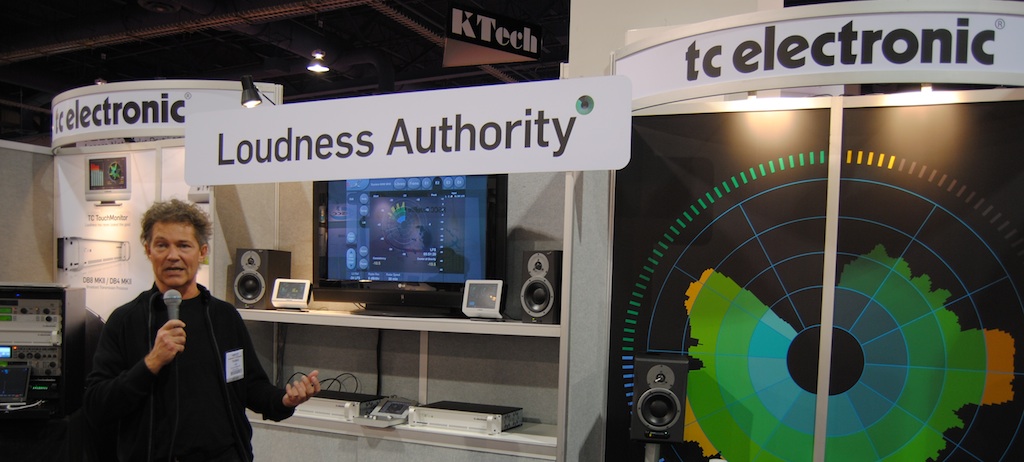
Los modelos de procesadores de difusión multiplataforma DB4 MKII y DB8 MKII que TC Electronic (Booth SU10217) está presentando en NAB se ajustan a los nuevos estándares EBU, ATSC e ITU de nivel de loudness y de nivel máximo verdadero para todas las plataformas y de todos los formatos.
Características tales como la resolución más alta, y la latencia y distorsión más bajas en el mundo de la difusión vienen de serie con estos nuevos modelos.
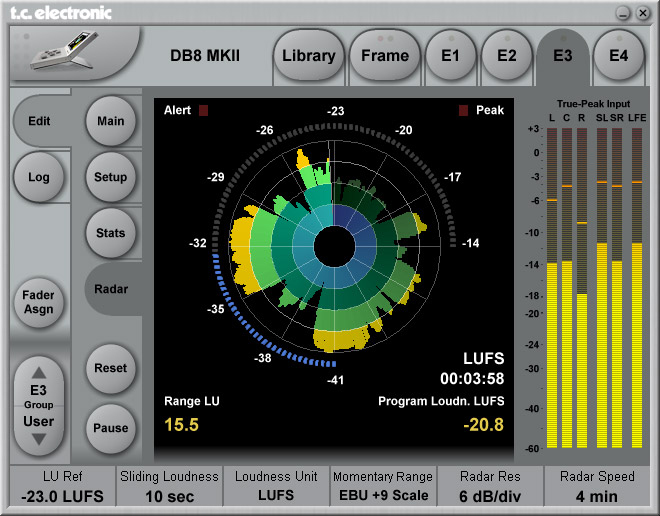
Las nuevas versiones de MKII ofrecen EBU R128 y ATSC A/85 compatibles con LM6 Loudness Meter, nuevas funciones SNMP y una semana de logging detallado, incluso sin conexión a un ordenador. En el modelo DB4 MKII, el medidor LM6 está siempre disponible además de sus dos procesadores de audio multicanales.
Con varios miles de unidades operando constantemente y de forma global, hay multitud de pruebas que demuestran que los procesadores DB4 y DB8 raramente fallan. Redundando en las versiones de MKII: se tiene el mismo suministro de energía pero por duplicado. Además, doble en fusibles, doble en entradas de red y doble en ventiladores Papst suizos.
Los procesadores DB2, DB4 y DB8 de TC Electronic son famosos por su compatibilidad preestablecida, permitiendo usar los mismos ajustes en instalaciones de cualquier tamaño. Los modelos DB4 MKII y DB8 MKII son enormemente fáciles de utilizar y permiten ejecutar pre-ajustes de las originales unidades DB4 y DB8 sin necesidad de instalación.
Los procesadores DB4 y DB8 tienen el record en presentar soluciones noveles que facilitan la difusión multiplataforma (con procesado Trickle-Down) desde un solo cuadro de baja latencia. El MKII continúa la misma trayectoria con generosas nuevas funciones que trabajan independientemente de si los metadatos han sido correctamente insertados o no.
El completo muestreo síncrono a 48kHZ y procesado de 48 bit, en combinación con un rechazo masivo de fluctuación, garantiza una alta resolución de audio y una secuencialidad perfecta, incluso cuando se utilizan largas líneas de transmisión para alimentar el procesador. Cientos de procesadores DB pueden disponerse en cascada sin degradar el sonido tanto como una proceso de reducción de datos HDTV.
Did you like this article?
Subscribe to our NEWSLETTER and you won't miss anything.
Related articles
 Brompton 4K Tessera SX40 processors power the Blue Box xR studio
 The XR and VP Votion study opts for Brompton's Tessera LED processors
 MGX Studios relies on Brompton processors to power virtual productions
 Nine upgrades IP studios with Lawo mc2 36 MkII console
 DaVinci Resolve 17.1, compatible with M1 processors on Mac computers
 LIVE in Abu Dhabi acquires five V__pro8 processors from Lawo
 Adagio will distribute TC Electronic and TC Helicon
 Broad diffusion and single diffusion: the best combination today
 Gol Tv and Dorna acquire V-Pro8 processors from Lawo
 Analog Way launches a new generation of high-end video processors
 Nuevo plug-in de medición sonora LM6 de TC Electronic
 Sgi announces its strategic acquisition plan for AMD processors
 TC Electronic and RTW close a joint venture in NAB
 TC Electronic will distribute Tannoy studio monitors