





Distribución transmedia: un difícil reto para los broadcasters
La distribución transmedia y el reformateado de contenidos son, quizás, dos de los retos más complejos a los que se enfrenta la industria. Decidir qué tipo de sistema y flujo de trabajo es el adecuado resulta vital para asegurar una inversión con visión de futuro y una correcta monetización de los activos de media.
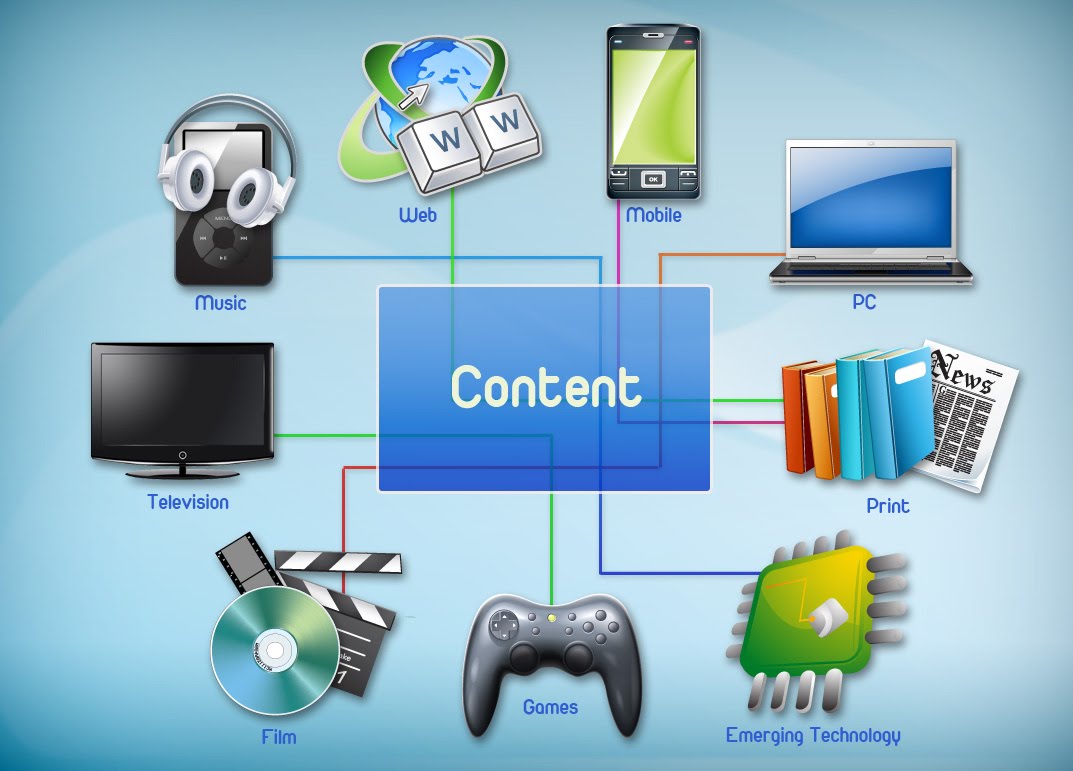
La distribución de contenidos multiplataforma y transmedia (ya que estamos ante plataformas y medios diferentes) aprovechando los activos al máximo y distribuyéndolos en plataformas alternativas y paralelas optimizando recursos para dar salida en diferentes momentos, plataformas, versiones y dispositivos acompañando el contenido al usuario en cualquier circunstancia constituye, hoy por hoy, uno de los principales retos de nuestra industria.
Un ejemplo de ello lo encontramos en los servicios de pago, donde el consumidor que ha pagado por un contenido demanda cada día más verlo dónde, cómo, cuándo y a través de cualquier tipo de pantalla con una calidad optimizada.
En este contexto, cobra especial fuerza la broadband TV con pujanza al alza de la OTT (Television over-the-top), un acrónimo que resume un tipo de televisión distribuida por Internet gracias a la banda ancha, tanto en streaming en vivo como bajo demanda.
Bajo esta perspectiva, aún en desarrollo, los usuarios pagarían por los contenidos que quieren ver dónde y cuando deseen. Esos programas pueden proceder de algo ya emitido en abierto, una emisión simultánea o una versión adaptada y reformateada. Paralelamente, la publicidad tendrá mucho que decir en estos nuevos modelos a la carta que pretenden monetizar un contenido que sigue siendo el rey.
 Oportunidades y retos
La continua expansión de los métodos de distribución de contenidos está creando nuevas oportunidades y, a la par, enormes desafíos para los broadcasters en un mercado en el que los operadores de telecomunicaciones y proveedores de contenidos están tomando posiciones en un terreno hasta ahora acotado a los broadcasters tradicionales.
Aunque hasta, contar con un programa de éxito en primetime era una garantía. Sin embargo, en estos momentos, el espectador distribuye su atención en pantallas que van desde un smartphone a una macropantalla home-cinema. Por esta razón, acercarse a él por nuevas vías es la clave.
En este nuevo contexto y de cara a optimizar procesos para producir más y mejor, la palabra que resuena últimamente con más fuerza en el mercado es cloud computing o computación en nube. La idea de gestionar activos desde cualquier lugar es ya una realidad que permite por ejemplo, captar imágenes en un lugar remoto, subirlas a una “red etérea” en no sé sabe muy bien dónde para que partiendo de un concepto cien por cien colaborativo pueda gestionarse junto a otro material remoto o local y editarse, locutarse, insertar grafismo y disponibilizarla para su playout en cualquier tipo de plataforma y resolución.
Este nuevo concepto significaría la deslocalización de los profesionales y de la infraestructura con el consiguiente ahorro de costes y un mayor aprovechamiento de los activos disponibles.
Pero, la posibilidad de que los profesionales trabajen simultáneamente sobre el mismo proyecto desde diferentes estaciones de trabajo o su propio laptop requiere cambios de mentalidad tanto en la creación como en la distribución.
Para estos entornos de trabajo colaborativo, un sistema de gestión de activos es esencial. Es necesario hacer un seguimiento de los contenidos y contar con algún tipo de método que verifique el estado de los activos. Además, habrá que acelerar la transferencia de archivos grandes a través de Internet ya que, a partir de ahora, muchos colaboradores no se encontrarán en la misma instalación. Mientras que un clásico concepto FTP estándar es muy lento, la aceleración de la transferencia de los ficheros será algo esencial y determinante entre el fracaso o el éxito de una solución.
 ¿Dónde queda la cinta?
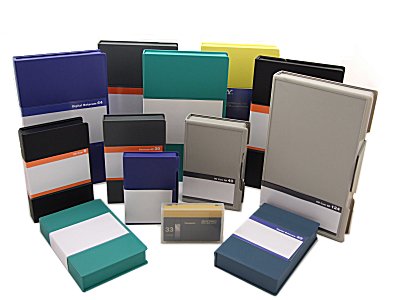
Y en todo este nuevo marco, ¿dónde queda la cinta? Resulta evidente que este soporte, frente a un estado sólido cuya capacidad aparenta ser “infinita”, ha quedado relegada en archivos masivos en un día a día marcado por los ficheros. Unas de las cuestiones que flotaba en el ambiente de Las Vegas es cómo gestionar la ingente cantidad de material que los reporteros, editores y documentales liberados de la tiranía de la cinta están generando con un sinfín de horas diarias de material. Es evidente que resulta sumamente fácil que los activos de video se descontrolen, complicando cualquier tarea de búsqueda si no existe un uso correcto de los metadatos y la indexación de toda la media con una pregunta siempre presente: ¿qué guardo?
A diferencia de otras industrias como la banca, el broadcast ha tendido siempre ha una cierta anarquía en la gestión de sus activos a la que ahora toca poner fin se queremos monetizar la inversión. En esta línea, la tecnología empleada está dando pasos de gigante que de poco valdrían si no se utiliza e implementa con racionalidad.
Precisamente una de las áreas que se está beneficiando de nuevos esquemas de trabajo es la postproducción y la tecnología aplicada a grafismo, escenarios virtuales y técnicas de realidad aumentada e inmersiva. Lo que hace apenas unos años era inviable económicamente, hoy es accesible para broadcasters y productoras medianos y pequeños.
Decidir qué tipo de sistema y flujo de trabajo es el adecuado resultará vital para asegurar una inversión con visión de futuro. Ya que los sistemas de gestión de activos tienden a combinar procesos de producción y entrega final, optar con un correcto flujo de trabajo es una decisión estratégica que debe planificarse con paciencia. Sin esta planificación y formación del personal, sea cual sea la tecnología elegida, sería una inversión desaprovechada.
Antonio Castillo
Director de PanoramaAudiovisual.com

Did you like this article?
Subscribe to our NEWSLETTER and you won't miss anything.
Related articles
 La adopción de la nube es una prioridad para sólo el 27% de los broadcasters
 Gestmusic Endemol will develop a transmedia project for the new stage of Super3 (CCMA)
 Thierry Fautier: “the challenge of 4K will be the money necessary to invest in production and how to recover the investment”
 The transmedia universe of 'La Peste' receives the Sol de Plata award for the best branded transmedia content
 La falta de profesionales, principal reto para la realidad virtual
 VSN integrates PAM, MAM and BPM to meet the demand of broadcasters and production companies
 For Pol Turrents, the challenge that TV channels face is the move to 4K, the problem: the lack of content
 Fundación Autor organizes a course on transmedia strategies for audiovisual distribution with Michel Reilhac
 'Radical fishing' in Discovery, a challenge in hostile environments for Lectrosonics
 'Men in Black 3', a new production and visual effects challenge for the men in black
 EVS ayuda a los broadcasters a monetizar la distribución multidispositivo
 BLS prepares for the challenge of London 2012
 Utah Scientific nombra a Reto Brader director para EMEA
 'I have a question for you': a new technical challenge for TVE