





The new DTT, on a reduced scale
Hace ya un año y medio que se produjo el apagón analógico de la televisión, aquel hito histórico que iba a revitalizar el sector audiovisual e impulsar la actividad de cadenas y productoras de televisión. Sin embargo, como expone Mª Ángeles Martín Pérez, directora de Explotación de 13Tv se detiene en esta Tribuna en ese escenario plural, repleto de ofertas, mejoras, interactividad y accesibilidad, pero que quizás no ha cumplido las expectativas ni de la industria ni del espectador.

El desarrollo de este nuevo mercado televisivo a raíz de la irrupción de la TDT se ha visto debilitado por una arrolladora y voraz amenaza de crisis global: económica mundial, de inversión publicitaria, de grps, de competencia, de audiencias, de creatividad, …
La consecuencia más evidente y directa del fracaso del mercado de la TDT queda reflejada en los cierres (ocurridos o anunciados) de diversas cadenas de televisión: CNN+, Veo7 (temporalmente resucitado), La10, TPA, RTVM,…, sin mencionar a las cadenas locales, cuya lamentable situación merecería estudio aparte.
No obstante, hoy en día ningún operador puede dar por asegurada su continuidad, ni el grande ni el pequeño, ni el público ni el privado. El ejercicio de la actividad televisiva está atravesando uno de los momentos más críticos de su historia, en los que el protagonismo lo acaparan palabras como “crisis”, “hipercompetencia”, “segmentación” o “Internet”.
No obstante, la viabilidad del ejercicio audiovisual debe encontrarse y conseguirse a través del establecimiento de un plan de negocio realista acorde con unos objetivos alcanzables y una actitud de ahorro de costes, multifuncionalidad y, sobre todo, esfuerzo. En este sentido, los nuevos operadores no pueden emular ni el modelo ni los recursos de los operadores tradicionales.
Haciendo uso del recurrente símil futbolístico, dentro de la primera división de futbol profesional los equipos rivalizan por determinadas posiciones, unos jugarán la Liga de Campeones, otros la UEFA, otros el descenso y otros tendrán un discreto papel que les permita tan sólo mantenerse en la competición. En este sentido, resulta evidente que no todas las cadenas de televisión nacionales deben fijarse los mismos objetivos empresariales ni los mismos caminos para llevarlos a cabo.
El ejercicio de la actividad televisiva requiere una visión global y, al menos, a medio plazo. El mercado ha multiplicado por ocho su oferta y los operadores que surgen como consecuencia de esta apertura más que un sprint tienen por delante una carrera de fondo en la que poco a poco hay que atraer al público.
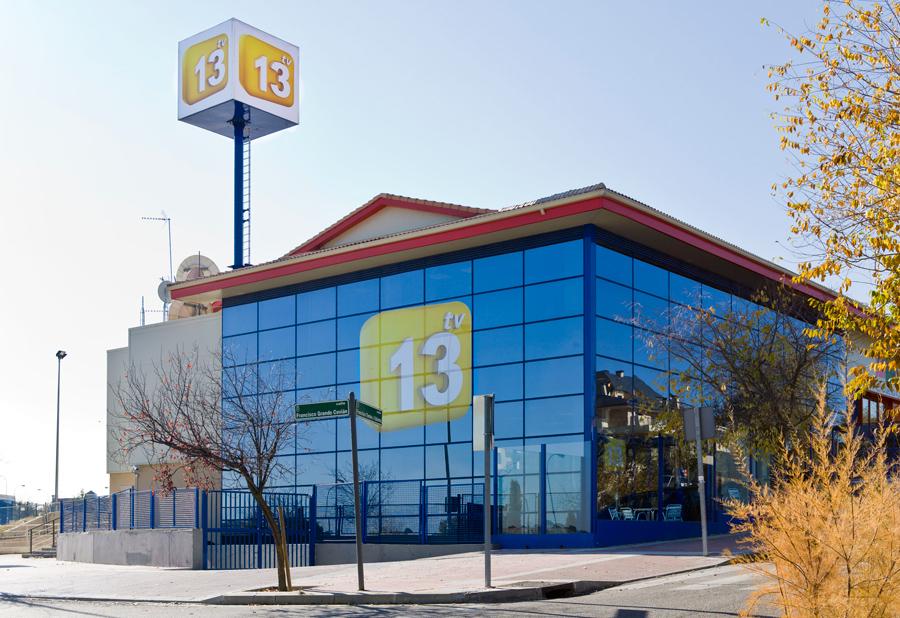
En España, el desarrollo de estas nuevas ofertas ha venido de la mano bien de nuevos canales explotados por las cadenas tradicionales o bien de nuevos broadcasters nacidos por iniciativa de grupos de comunicación prácticamente inexpertos en la comunicación audiovisual, es decir Veo7, Intereconomía, La10 y 13Tv.
Si los primeros optaron por la tematización de las ofertas, los segundos, estos nuevos actores, se decantaron por copiar los modelos generalistas de las cadenas tradicionales con parrillas similares pero presupuestos ínfimamente menores. La diferenciación en lo que a contenidos se refiera queda, por tanto, relegada a matices ideológicos que se amparan en necesidades de targetización a nichos que no incluían explícitamente las ofertas existentes.
Sin cuestionar el sistema de medición de audiencias, son esos polémicos datos que nos atemorizan todas las mañanas los que siguen marcando la viabilidad de las emisiones. Diversos estudios y auditorías señalan el punto porcentual de share como la barrera de la rentabilidad, pero la realidad ha demostrado a cadenas como Intereconomía y Veo7 que eso no es suficiente.
El engranaje de estas nuevas empresas surgidas al albor de la TDT debe ser broadcast pero realista, flexible, versátil y escalable y esa misma filosofía debe implantarse en todas las áreas.
En el caso de estos canales es todavía más relevante la adecuación de los recursos técnicos y humanos a las dimensiones empresariales valiéndose de un profundo estudio de necesidades actuales y futuras.
Cambiando estructuras
La tendencia instaurada en las cadenas es reducir su estructura empresarial, tanto técnica como de personal, y poner en manos de productoras tanto la creatividad y el desarrollo de sus programas como los servicios técnicos (las cadenas –incluso las públicas– reducen sus producciones propias al máximo y externalizan gran parte de sus servicios, ejemplo de ello son las externalizaciones llevadas a cabo recientemente en Antena 3 Televisión de áreas de Retransmisiones; Maquillaje, Peluquería, Sastrería y Estilismo; Operadores de Postproducción; Documentación y otras (algunas de las cuales pendientes de fallo por parte del Tribunal Superior de Justicia de Madrid). La creación de un entramado empresarial reducido debe ser drástico en estos nuevos canales. Los organigramas tienen que diferir frente a los de las cadenas tradiciones en la simplificación de la estructura (en todos sus niveles), lo que implica menos personas que abarcan más competencias y están menos especializadas. El factor humano seguirá siendo el motor de la evolución de la organización y protagonista de la competitividad de la misma pero estará basado en la combinación de empleados con experiencia con otros jóvenes, preparados, con gran capacidad de aprendizaje y perfil amplio para desarrollar múltiples funciones. Las cifras de empleados que ostentaban los operadores privados hace cinco años estaban por encima del millar, mientras que las plantillas de estos nuevos canales no suele superar el centenar de trabajadores.
El proyecto técnico debe también realizarse a medida de las posiciones estratégicas y los procesos organizativos y funcionales de la cadena de televisión. La adquisición de la tecnología puntera queda desplazada por el equipamiento versátil de categoría media y escalable, es decir, que su potencia pueda ser aumentada y mejorada en futuras inversiones si el proyecto lo requiere.
Pero para mayores complicaciones, estos proyectos a escala reducida deben permitir a las cadenas superar los mismos e incluso más retos y dificultades que las cadenas tradicionales. No están exentos de sufrir la reducción de los ingresos publicitarios, las fugas de la audiencia a otros medios, las obligaciones legislativas en materia de accesibilidad e interactividad, los cambios de frecuencias impuestos por la asunción del dividendo digital. Y tampoco deben dejar de participar en proyectos tecnológicos novedosos, como los de hibridación de la televisión a través del HbbTv o la presencia en Internet a través del streaming.
Se trata de modelos de negocio complejos, ajustados pero flexibles, modestos pero exigentes, que necesitan estar apoyados en proyectos fuertes y realistas para sobrevivir en este escenario competitivo e incierto y no desaparecer bajo el manto de las ofertas de los operadores tradicionales o de los contenidos de las grandes mayors (Disney, Sony, Viacom, Televisa, Fox, Discovery) quienes a precio de saldo y con ofertas no demasiado atractivas cubren los espacios que los radiodifusores son incapaces de gestionar.
Mª Ángeles Martín Pérez
Directora de Explotación de 13Tv

Did you like this article?
Subscribe to our NEWSLETTER and you won't miss anything.
Related articles
 Gravity Media will implement “large scale” XT-VIA and LSM-VIA from EVS in its fleet of mobile units
 Hi human interface reduces the complexity of large-scale productions
 Calrec will debut a reduced version of its Argo platform at NAB 2024
 ATP Media scales live match delivery with M2A Connect
 EVS closes large-scale agreement with Fox Sports for the use of MediaInfra Strada
 Blackbird to Drive Large-Scale Video Production Efficiency in Univision Streaming
 PlayBox Neo to Demonstrate Multimedia Cloud at Any Scale with NAB 2019 Launch of Cloud2TV
 First large-scale bot attack on connected televisions
 Evertz completes transition to large-scale public cloud playout
 Manage and package IMF content at scale with Dalet
 Sony to launch all-in-one mixer for small-scale multi-camera setups
 Hawk-Eye aims to revolutionize small-scale live sports production
 EBU conducts large-scale trial with MPEG-DASH during Games
 Rosco X24 X-Effects, large-scale three-dimensional effects