





Siggraph debates the convenience of high frame rate production
La posibilidad de olvidarse de los ya tradicionales 24 frames por segundos para alcanzar 48 cuadros por segundo, o incluso más, ha levantado un interesante debate en la comunidad.
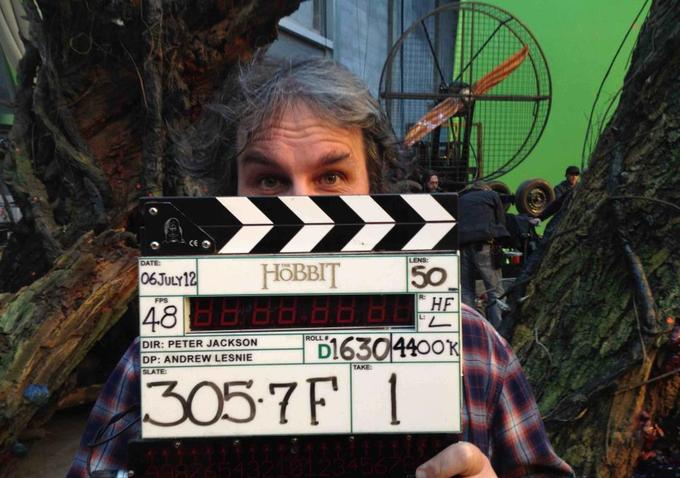
El productor de Avatar, Jon Landau, fue tajante durante un debate organizado por Christie en Siggraph, clausurado el pasado día 9 en Los Ángeles, al afirmar que a la hora de decidir llevar a cabo una producción a un frame rate mayor de lo habitual deben ser los cineastas y no los estudios los que tomen la decisión. En esta línea se ha posicionado también el propio James Cameron.
Sin embargo, la posibilidad de olvidarse de los ya tradicionales 24 frames por segundos para alcanzar 48 cuadros por segundo, o incluso más, ha levantado un interesante debate en la comunidad.
Los partidarios de velocidades de cuadro más altas sostienen que una alta velocidad ofrece una imagen más real y la verdadera ilusión de movimiento continuo. Particularmente se beneficiarían de esta mayor velocidad de cuadro el cine estereoscópico y aquellas escenas con mucho movimiento y acción en las que se produce la típica, e indeseada, estela.
Por su parte, otros expertos sostienen que las imágenes a 48 fps o más son demasiado reales, asemejándose demasiado al vídeo más que al look tradicional de cine al que estamos acostumbrados.
Una investigación llevada a cabo por IBM en la década de 1970 demostró que 72 Hz era una velocidad adecuada para alcanzar el umbral de fusión de parpadeo (el ritmo al que el ojo humano no distingue el parpadeo en una imagen en movimiento).
Recientemente, RealD ha venido experimentando con imágenes a 24fps dobles y triples de forma intermitente para llegar a frecuencias de 48fps y 72fps por ojo, llegando a la conclusión que 48 fps era todavía incómodo para “una gran parte de la población”, pero que el parpadeo desaparecía en su totalidad a 72 fps.
Avatar y El Hobbit
Por el momento, James Cameron ya ha anunciado que la secuela de Avatar se rodará y postproducirá a alta velocidad al igual que Peter Jackson ya ha hecho con El Hobbit a 48 fps. Cuando se proyectó un adelanto coincidiendo con CinemaCon el pasado mes de abril hubo reacciones de todo tipo ante este nuevo look de paso rápido del frame.
Pero más allá del debate sobre el look final de una película rodada a alta velocidad de cuadro la verdadera dificultad la encontramos en la capacidad de almacenamiento y computación en rodaje y postproducción.
In the case of El Hobbit, su rodaje a 48 fps ha supuesto generar entre seis y doce terabytes de datos cada día. Se estima que toda la película digital sumó el equivalente a 7,3 millones de metros de película. Más allá del rodaje, el verdadero reto de trabajar a 48 fps lo están encontrando la postproductora Park Road haciendo auténticos malabarismos para evitar cuellos de botella con tan ingente volumen de datos.
En Siggraph, el supervisor de efectos en Industrial Light&Magic, Jon Landau, reconoció que “la industria es consciente de estos inconvenientes y retos a los que nos enfrentamos. Debemos empezar a pensar en maneras de hacer esto de forma más económica y más rápida. No quiero decir que este desafío no merezca la pena, sino que tenemos que afrontarlo de forma inteligente”.
Did you like this article?
Subscribe to our NEWSLETTER and you won't miss anything.
Related articles
 Brompton demonstrates its proposal for virtual production at SIGGRAPH 2023
 The Television Academy hosts a debate on the future of Europe after the war in Ukraine
 The Film Academy debates how digital platforms are changing the production and exhibition model
 Camera Corps debuts its first high frame rate miniature cameras
 Tektronix soporta ahora HDR, WCG, vídeo sobre IP y bit rate adaptativo
 ITU publishes recommendation on high dynamic range in television
 Educacine debate sobre la influencia del audiovisual en la educación
 First DTT broadcasts using the future Ultra High Definition format with High Frame Rate with scalable HEVC over DVB-T2 networks
 AJA Mac Software v10.5.1 will facilitate work in post-production at high frame rates
 For-A adapts its frame rate converter to winter sports production
 Snell reduce el precio de conversión de frame-rate con el nuevo KudosPro MC500
 For-A VFC-7000: HD recording with variable frame rate
 Cosmic Post, high-level postproduction on wheels… with Pablo
 The Television Academy creates a platform for debate on intellectual property