





Indra leads the ADAPTA project, aimed at the personalization of digital content
El objetivo es ofrecer a los usuarios información y servicios en función de sus propios intereses. La solución será probada a través de dos pilotos: un panel interactivo situado en un espacio público de alto tránsito y la televisión digital de un hotel.
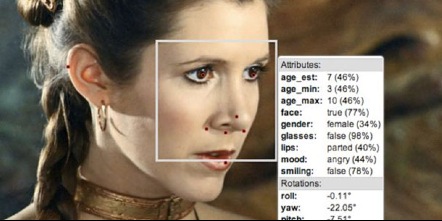 Indra lidera el proyecto de I+D+i ADAPTA: Tecnologías para la personalización y la interacción de contenidos digitales, cuyo fin es desarrollar soluciones tecnológicas innovadoras que permitan a los destinatarios de los medios audiovisuales interactuar con contenidos digitales personalizados en diferentes escenarios de la vida cotidiana.
ADAPTA busca favorecer el consumo de contenidos audiovisuales, en función de las preferencias del usuario, y que sean entregados a los consumidores de forma personalizada, dinámica y no intrusiva. El objetivo final es crear un sistema capaz de ofrecer contenidos multimedia y servicios interactivos avanzados personalizados de interés para diferentes grupos de usuarios, incluyendo el colectivo de personas con discapacidad.
Para ello, el proyecto contempla el desarrollo de soluciones tecnológicas que recopilen información sobre características, preferencias, tendencias, hábitos de consumo o, incluso, emociones experimentadas al recibir estos contenidos, añadiendo así al sistema la capacidad de retroalimentarse y “aprender” por sí mismo qué contenidos ofrecer finalmente a cada uno de los destinatarios.
La interacción con el usuario (tanto en la recopilación de datos para el desarrollo de los contenidos como en el consumo de los mismos) se basará, entre otras, en la tecnología de reconocimiento gestual Kinect, de Microsoft, actualmente de gran aplicación en el mundo de los videojuegos. Gracias a esta solución, los destinatarios podrán interactuar con los contenidos sin necesidad de tener contacto físico con la plataforma emisora mediante una interfaz natural de usuario que reconoce gestos, comandos de voz, objetos e imágenes. Además, se utilizarán también sensores y micrófonos para captar la información auditiva que genera el destinatario y facilitar la propia interacción de éste con el sistema.
El proyecto ADAPTA cuenta con un presupuesto global de 2,5 millones de euros gracias al programa Feder-Innterconecta, que promueve el desarrollo de proyectos de innovación con proyección internacional. Además de Indra, que es la encargada de coordinar el consorcio, forman parte del mismo empresas especializadas en Tecnologías de la Información, medios de comunicación y telecomunicaciones, como el Grupo Secuoya, Ingenia, Wellness Telecom, Below Group y Tedial. Asimismo, también participan en la iniciativa centros de investigación como la Fundación para la Investigación y el Desarrollo de las Tecnologías de la Información en Andalucía (FIDETIA) o las universidades de Sevilla, Málaga, Granada y la Universidad Politécnica de Madrid.
Pruebas en dos entornos turísticos
Para garantizar su utilidad y aplicación futura, el proyecto ADAPTA será probado a través de dos pilotos centrados en el turismo, por ser éste uno de los principales activos de la economía andaluza.
El primero de ellos se implantará en un espacio público de alto tránsito aún por definir y servirá para ofrecer a los viajeros, especialmente en el periodo estival, contenidos de interés con los que hacer más agradable su estancia en esta región. Un panel interactivo captará las características de aquellos que pasen por delante mediante la aplicación de tecnologías de identificación de personas y en función de parámetros ya establecidos (como sus características, gestos o físico). El resultado de este análisis previo será la emisión de información publicitaria o divulgativa atractiva para los destinatarios, como actividades, sitios que visitar o productos típicos que consumir en la ciudad y sus alrededores.
Por otra parte, el segundo piloto se desarrollará en un entorno hotelero y se centrará en prestar servicios personalizados a los clientes a través de la televisión digital. De este modo, a cada televisor llegarán contenidos promocionales o publicitarios de interés real para el telespectador. Para ello, se utilizará la tecnología HBBTV, que facilita la emisión de contenidos bajo demanda combinando los servicios de radiodifusión (broadcast) y banda ancha (broadband). El consumidor podrá así conocer información útil para sus objetivos o acceder instantáneamente a productos y juegos interactivos con la posibilidad, además, de interactuar naturalmente con esos contenidos.
 Importantes beneficios
El proyecto ADAPTA hará posible la generación automática de contenidos personalizados, facilitando al usuario materias de su elección, y a las empresas importantes ventajas competitivas, dado que los receptores son conocedores de estos contenidos e interesados específicamente en ellos. La solución resultante será de especial interés para el mercado publicitario, ya que facilitará la recepción de las preferencias de los usuarios y hará posible el diseño de contenidos que, específicamente, cubran las demandas reales de éstos.
También será de especial relevancia en el campo de la Interacción Avanzada puesto que no sólo reconoce las preferencias de los consumidores y diseña soluciones a medida, sino que facilita, a través de las últimas tecnologías, la relación constante entre el consumidor y el sistema, para que éste pueda seguir evolucionando y adaptando sus servicios. Por ejemplo, a la hora de mostrar determinados productos, el sistema ofrecerá al consumidor seguir avanzando en su conocimiento con posibilidades para saber dónde comprarlos, ofertas, características, etcétera.
Además de su aspecto innovador, la importancia de ADAPTA radica en su concepción como nueva herramienta de interacción y participación social. El proyecto permitirá a los usuarios acceder a las actividades y posibilidades que ofrecen los contenidos digitales, interrelacionándose con ellos y mejorando sus opciones de información y ocio. Los resultados del proyecto, asimismo, podrán ser de aplicación en otros muchos sectores, como la sanidad, el marketing, la industria, la banca, los transportes o la seguridad.
A la vanguardia en servicios interactivos
Indra refuerza con este proyecto su experiencia en la creación de servicios interactivos para televisión, donde encabeza algunos de los proyectos más significativos que actualmente se están desarrollando en este ámbito.
Ése es el caso del proyecto de I+D+i InmersiveTV, cuyo fin es investigar tecnologías de producción de contenidos digitales inmersivos para impulsar la sensación de integración del espectador con la televisión, mucho más allá de las actuales técnicas 3D. La televisión inmersiva pretende que el espectador experimente en primera persona la acción que le envuelve, sintiéndose parte y protagonista de ella y facilitando su interactuación con el escenario en cualquier dimensión espacial.
La multinacional tecnológica también lidera el proyecto internacional de I+D+i SeniorChannel, con el que se pretende crear un canal interactivo de televisión por Internet destinado a las personas mayores y en el que este colectivo pueda disfrutar de contenidos personalizados, interactuar, compartir conocimientos y experiencias, así como divertirse creando sus propios programas.
Did you like this article?
Subscribe to our NEWSLETTER and you won't miss anything.
Related articles
 La personalización marcará el futuro de los contenidos audiovisuales
 TSA lidera el proyecto de digitalización del archivo audiovisual de Telemadrid
 Brainstorm lidera la definición de casos de uso del proyecto europeo 5GMediaHUB
 El CLAG celebra, en el marco de Mundos Digitales, una nueva Misión empresarial inversa centrada en contenidos digitales
 Mirada e Indra pretenden revolucionar el consumo de contenidos en televisión digital
 Tedial e Indra firman un acuerdo encaminado a la gestión de contenidos audiovisuales en plataformas digitales
 Ikusi Multimedia y Samsung Electronics cierran un acuerdo destinado a la protección de contenidos
 Ericsson lidera un nuevo proyecto de la Unión Europea para estandarizar el 5G
 Indra personalizará con el proyecto Adapta la interacción de los usuarios con los contenidos digitales
 Concluye el Proyecto ICT2020 destinado a optimizar las infraestructuras de comunicación del hogar del futuro
 La BBC británica lidera también en contenidos online en Reino Unido
 Los contenidos digitales suponen ya el 45,5% de la facturación del sector
 Los gurús de los contenidos digitales en FICOD 2009
 El mercado español de contenidos digitales crece al 12,1%