





New connection options for contributions on the Selenio platform
Harris presentará en IBC 2012 un módulo de red que introduce opciones de conexión de telecomunicaciones para clientes Selenio, reduciendo la complejidad y mejorando la calidad de servicio.
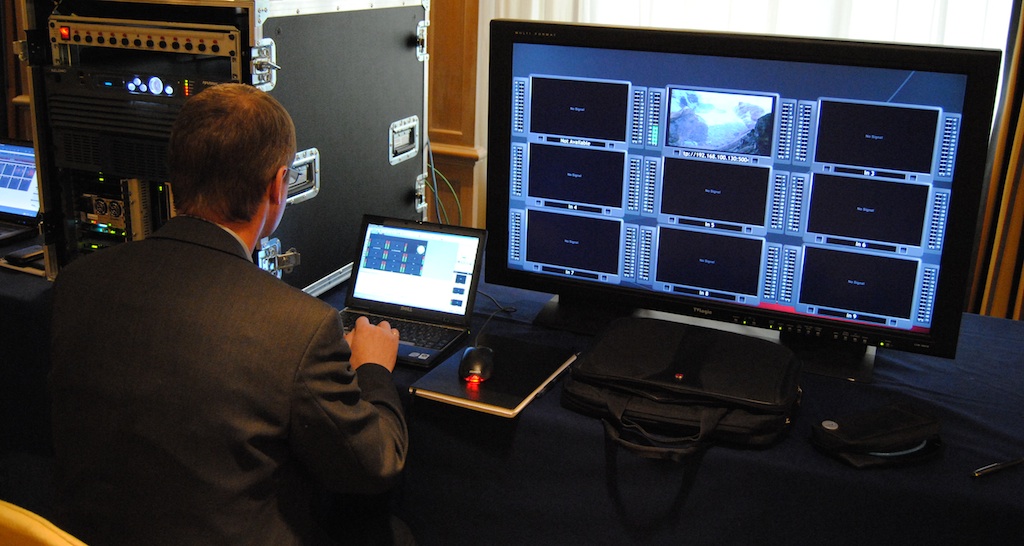
Harris Broadcast Communications presentará una novedad para la plataforma de convergencia de media Selenio en IBC 2012: un nuevo módulo de red que multiplica las opciones de conexión para la contribución de la señal en vivo, maximizando la flexibilidad durante las transmisiones de contenido entre dos localizaciones.
El módulo de red para Selenio permitirá a los broadcasters, productoras y telcos utilizar redes de transporte con conmutación de circuitos para transmitir y recibir vídeo, audio y datos TI corporativos entre dos plataformas Selenio.
Las aplicaciones comunes incluyen contribución móvil desde estadios u otros lugares remotos al estudio, frente a la posibilidad de utilizar conexiones satelitales más caras, o conectar varias localizaciones de estudios para ofrece contenidos en vivo (noticias, deportes…) o pre-grabados.
El nuevo módulo ofrece conexión directa (sin necesidad de ningún equipamiento de bridging) para un total de seis interfaces globales de telecomunicaciones (DS-3, OC-3, OC-12, E3, STM-1 y STM-4). Esto reduce la necesidad de equipamiento, al mismo tiempo que asegura que los usuarios pueden realizar conexiones simples y fiables con las interfaces de cables y líneas fijas más comunes, todas ellas partiendo de una solución de un único espacio y con una mayor eficiencia en consumo energético.
Los usuarios pueden configurar esas interfaces de telecomunicaciones para enviar contenidos por circuitos de conexiones IP o ATM, disminuyendo la distancia entre las redes IP y sus antecesoras. La corrección de errores FEC (Forward Error Correction) asegura que el contenido llegue a su destino intacta y lista para su emisión, independientemente de la selección de red de transporte.
Harris Morris, presidente de Harris Broadcast Communications, ha destacado que “los broadcasters y productoras que trabajan en eventos remotos precisan de técnicas para aumentar la carga y reducir la complejidad del sistema, asegurando al mismo tiempo la alta calidad de sus niveles de servicio. Harris responde a esta demanda reduciendo el número de conexiones necesarias para enviar fiablemente vídeo entre dos localizaciones, mientras ofrece a los usuarios finales más opciones para una contribución fiable del contenido”.
Diseño modular
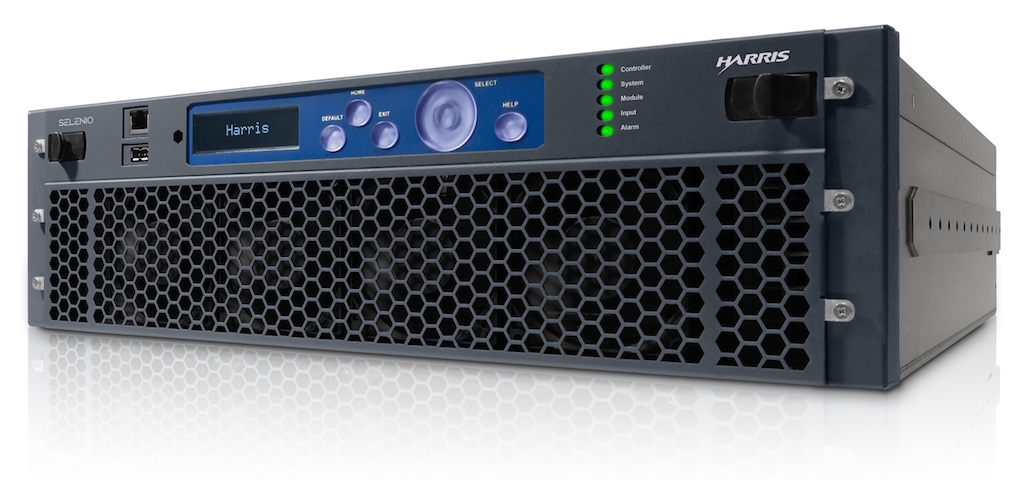
Los actuales clientes de Selenio pueden simplemente incorporar el módulo de red a la plataforma. El diseño modular de Selenio permite incorporar este módulo de la forma más sencilla. Además permite mezclar y combinar aplicaciones de banda base y requisitos de IP en el mismo chasis.
El módulo de red Selenio mantiene la misma apariencia de otros módulos Selenio, ofreciendo un diseño consistente y familiar para preservar la facilidad de uso.
Además, los clientes que incorporen el módulo de red Selenio pueden soportar hasta 240 canales de vídeo en contribución cuando se utiliza junto con el módulo MDX Multiplexer. Este módulo, presentado en NAB 2012, combina múltiples streams de transmisiones en una única transmisión, con ancho de banda eficiente. La combinación asegura que los múltiples canales de vídeo de contribución de clientes pueden extraer el máximo valor y eficiencia de sus aplicaciones.
El módulo de red Selenio también aumenta la eficiencia de red a través de una interfaz Gigabit Ethernet que soporta tráfico Ethernet empresarial en una única conexión. Esto elimina la necesidad de utilizar equipamientos adicionales o establecer una conexión para transportar datos IP.
Did you like this article?
Subscribe to our NEWSLETTER and you won't miss anything.
Related articles
 Broadpeak: new monetization options for content at NAB 2025
 Chyron updates its Live cloud platform with multi-screens and new graphics options
 BBC y BT llevan a cabo la primera contribución televisiva utilizando una conexión pública 5G
 Dejero presenta dos nuevas soluciones HEVC para contribución a baja latencia
 Aaton Digital presentará en IBC nuevas opciones para su grabador digital CantarX3
 Viaccess-Orca exhibirá en IBC nuevas opciones para monetización y realidad virtual
 JBL launches new control options for professional monitoring
 Sky Sports elige la plataforma Vibe CP6000 de Thomson para la contribución de la Fórmula 1
 Crystal Vision desarrolla nuevas opciones de control para su chroma keyer Safire 3
 Noa Audio will propose new options for archiving and conservation at IBC
 EPTV instala la primera plataforma Selenio en Brasil
 Polycom launches new options for telepresence
 Selenio, la primera plataforma de convergencia de medios de Harris
 Nuevas soluciones para contribución de ADTEC