





New technological devices break traditional television consumption patterns
Según un estudio de GfK, los consumidores aún compran televisores para su función básica (ver la tv) y no emergen otras funcionalidades como impulsores de compra. El 63% reconoce que es incapaz de usar todas las prestaciones de su televisor.
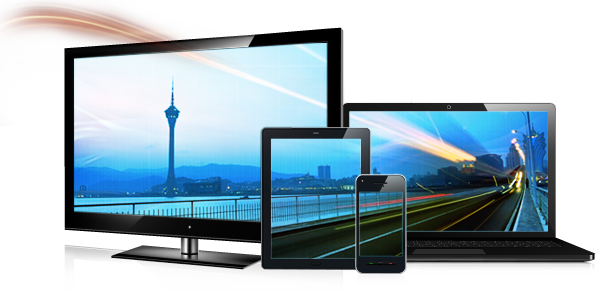
Los nuevos dispositivos móviles están cambiando los hábitos de los televidentes, según lo indica un estudio online realizado por el instituto de investigación de mercados GfK sobre cómo se compra, se elige y se ve la televisión en 13 países.
En este sentido, el estudio señala que el 47% de los encuestados en España considera que los programas con los que puede interactuar le resultan mucho más interesantes. Además, el 40% considera que el hecho de poder twittear o incluir comentarios online mejora indudablemente su experiencia televisiva.
En cuanto al motivo de compra de los televisores, en España el principal impulsor sigue siendo su función original y básica, – en otros países del entorno, emergen otros motivos, como la conexión a Internet – y además con muy alta frecuencia, ya que un 78% la ve a diario, casi 11 puntos más que la media de los países europeos incluidos en el estudio y 13 más que EEUU. El 93% de los internautas entrevistados cuenta con televisor, el 81% con pantalla plana y el 60% con HD (High definition: Alta Definición).
El precio y el tamaño de la pantalla lo más valorado en la compra
Al ser consultados acerca de qué buscan a la hora de seleccionar un televisor, la característica mencionada con mayor frecuencia es el precio (81%), seguida del tamaño de la pantalla (78%), la tecnología, bien sea LED, LCD o Plasma (75%), así como la posibilidad de contar con HD (67%).
La marca se sitúa en el sexto puesto entre los aspectos tomados en consideración, siendo Samsung la primera elección con un 45% de las preferencias, seguida muy de cerca por LG (44%).
El contar con una conexión sencilla como un USB sobresale entre otras alternativas de conectividad (67%). En la decisión de compra, el acceso a Internet se sitúa por debajo de la posibilidad de compartir o ver el contenido de otros dispositivos en la televisión y de la opción de Wi-Fi.
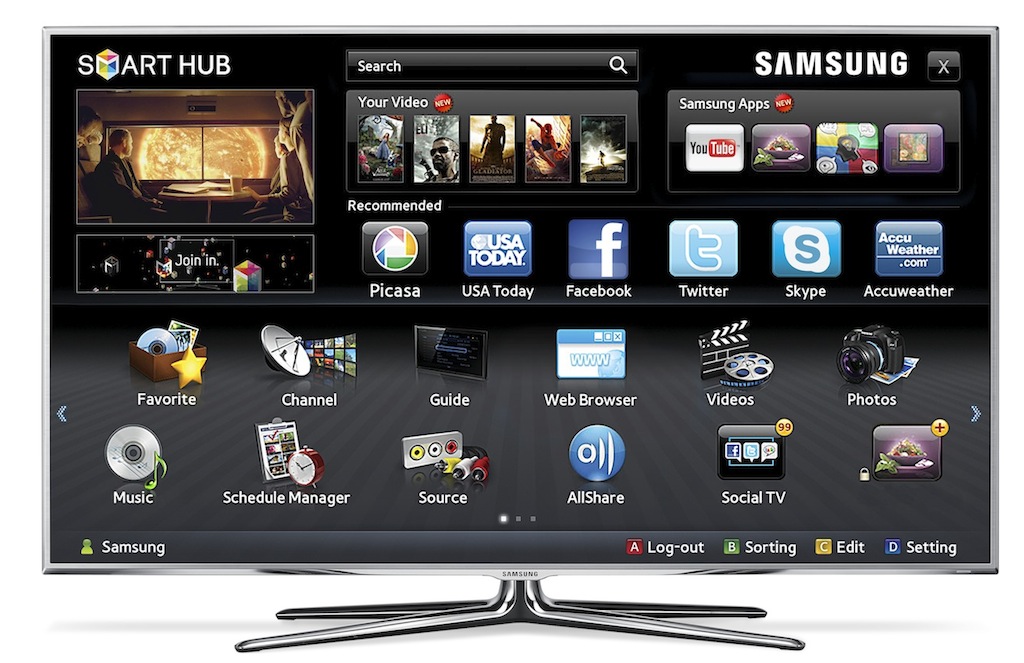
Estos resultados ayudan a explicar el uso real que se le da en España a los televisores, ya que se evidencia que no se aprovechan todas sus funciones. Un claro ejemplo de ello es que un 14% de los entrevistados declaró tener una conexión a la red local y, sin embargo, la tercera parte de ellos (35%) nunca ha llegado a conectar su televisión a una. Del mismo modo, el 57% de los encuestados creen que la configuración y manejo de su televisor es difícil y el 63% se declara incapaz de utilizar todas sus prestaciones.
¿Qué se espera de los televisores en el futuro?
Al ser consultados sobre servicios novedosos que les resultarían atractivos, un 19% señala como muy interesante la conectividad multidispositivos (la posibilidad de poder ver en su televisor películas, fotos o música almacenada en el teléfono móvil, tablet o PC). Por su parte, un 16% ve llamativa la idea de realizar videollamadas haciendo uso para ello de aplicaciones como Skype.
Un 15% se declara muy interesado en que su equipo se pueda controlar usando el tacto, la voz y los gestos. Así, con agitar la mano cambiaría de canal o encontraría el programa que quiere ver con sólo pedírselo.
Al 12% en cambio le gustaría una aplicación para su smartphone o tablet que le permita programar la grabación de programas en el televisor de su hogar. Y, por último, un 11% reclama como muy importante un servicio que recomiende artículos y productos basados en los programas de televisión y películas que está viendo en ese momento.
Did you like this article?
Subscribe to our NEWSLETTER and you won't miss anything.
Related articles
 Hybrid television continues to replace traditional television consumption in Spain
 Six out of ten young people replace traditional television with streaming
 HDR10+ suma nuevos partners tecnológicos
 82% of broadcasters consider that access to content through 5G will overtake traditional television
 Tras 22 trimestres consecutivos de crecimiento, el consumo en dispositivos móviles se mantiene estable
 El consumo de vídeo desde dispositivos móviles sigue en imparable alza
 JVC anticipa el futuro con interesantes prototipos y nuevos conceptos tecnológicos
 El consumo de contenidos a través de los dispositivos móviles aumenta un 25% en verano
 CES 2014 acoge la presentación de hasta 150 nuevos modelos de dispositivos UHDTV
 30% of connected TV users and 40% of online video users abandon traditional television
 Los dispositivos de consumo podrán incluir el logo HbbTv
 El aumento del consumo de vídeo en diferentes dispositivos no ofrece beneficios
 Content consumption through connected devices in the US now reaches 38% of homes
 Tablets, televisión conectada y redes sociales enriquecen el escenario de consumo de televisión