





82% of broadcasters consider that access to content through 5G will overtake traditional television
However, half of these broadcasters anticipate that network problems will be the biggest challenge to the use of 5G in the distribution of audiovisual content.
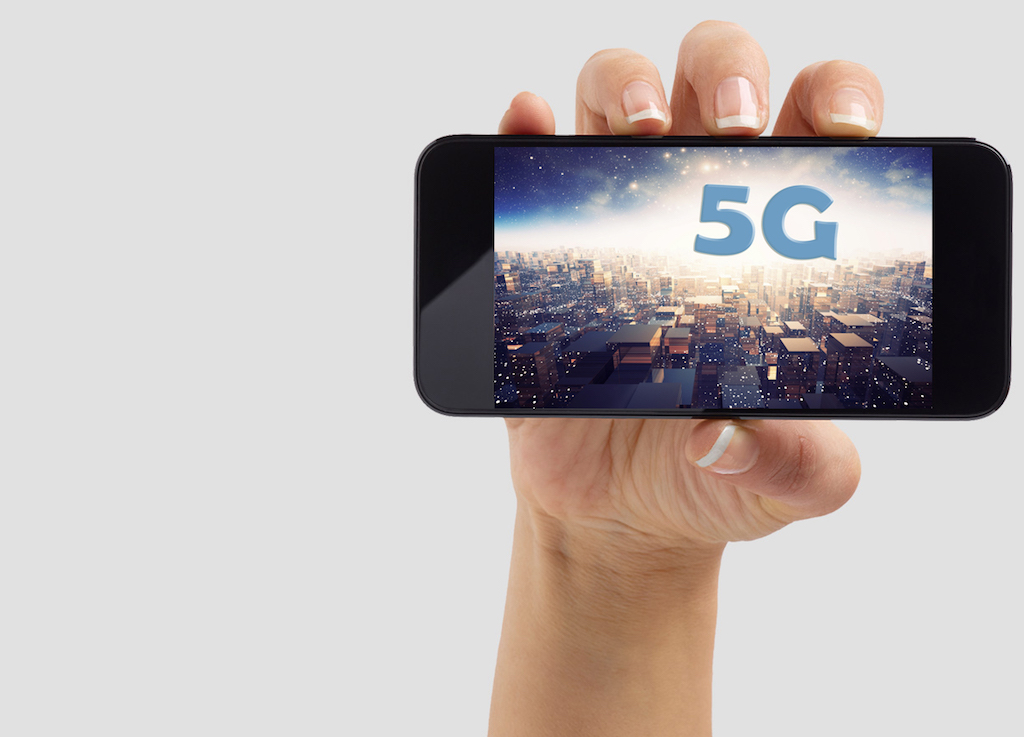
According to a recent global survey, the 82% of broadcasters believe that mobile networks such as 5G will end up replacing traditional distribution terrestrial or satellite as the preferred way to access television content, and more than a third (37%) of respondents expect this to start happening within 1 or 2 years.
In the survey, commissioned by Nevion, 10% still anticipate that 5G would surpass traditional services within three years, but the vast majority (94%) of broadcasters agree that 5G will likely do increase content consumption.
As an increasing number of people turn to streaming instead of conventional linear television distribution, 5G capabilities will help serve this audience and the demand to be able to stream content on the go.
With 5G set to allow viewers to stream live content on any connected device, no matter where they are, Andy Rayner, chief technologist at Nevion, states that “5G technology can potentially offer OTT streaming services with the quality required not only for mobile devices, but also for television screens at home.”
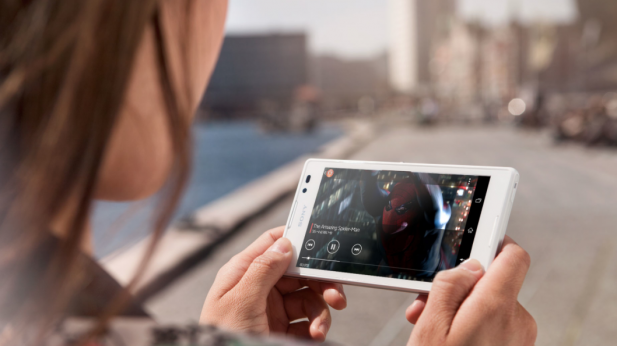 "This could mean, as our research found, that 5G is likely to eventually usurp DTT for consumers both at home and on the go. In the long term, 5G mobile technology is likely to become the standard means of delivering terrestrial television. However, both DTT and 5G delivery (when ready) are expected to coexist for a reasonable time," he added.
There are clear shortcomings in the current capabilities of mobile technology compared to DTT, which is highly optimized for energy-efficient digital linear broadcast distribution.
There is also a key distinction between the potential of service providers' offerings for broadcast media consumption and the use of 5G radio technology to provide future real-time broadcast distribution capacity.
These views on 5G technology as a primary means of television content distribution are reflected in the research results. Half (50%) of broadcasters surveyed think the biggest challenge to using them will be network performance issues and coverage issues (42%). This is followed by issues of reliability (26%) and network security (22%), as well as some broadcasters expressing concern about the environmental impact of 5G.
However, as previously published, the investigation revealed the Broadcasters' optimism about 5G's potential in production, since 95% of broadcasters expect to adopt 5G within two years.
Rayner concludes by stating that “ultimately, we are just scratching the surface of 5G, and while broadcasters already see its potential value, industry-wide explorations of the technology are underway at this stage.” It is too early to say exactly where in the broadcast chain 5G will provide the most value. As such, broadcasters currently delivering with DTT will need to work with experts to follow the evolution of 5G broadcast capacity.”
Did you like this article?
Subscribe to our NEWSLETTER and you won't miss anything.
Related articles
 Hybrid television continues to replace traditional television consumption in Spain
 91.4% of Spaniards consider that free television is a good of general interest
 Six out of ten young people replace traditional television with streaming
 87% of Spaniards consider that free television is a good of general interest
 Rethink Technology Research predicts that SVoD will catch up with traditional television in just three years
 Open Television considers the National TDT Technical Plan and the regulation of the second digital dividend unavoidable and urgent
 Can the online experience surpass that of traditional television?
 Europe is committed to pan-European access to digital content
 Jean Marc Vignolles considers it “vital” for the CNMC to update content regulation
 Netflix CEO dates the end of traditional television in 2030
 30% of connected TV users and 40% of online video users abandon traditional television
 New technological devices break traditional television consumption patterns
 Content consumption through connected devices in the US now reaches 38% of homes
Verimatrix: conditional access for more networks and content
Content consumption through connected devices in the US now reaches 38% of homes
Verimatrix: conditional access for more networks and content