





Shure Beta 181: the smallest of the greats
Engineers John Born, Rob Klegon, and Chad Wiggins discuss positioning techniques for the Beta 181 side-mounted condenser microphone in this article.
Beta microphones, first introduced by Shure in 1989, they quickly earned a solid reputation among touring professionals and recording engineers due to their high reliability, solid construction (signature feature), accurate sound reproduction, low noise and high gain before feedback. Beta microphones, like their tireless SM cousins, offer solid, no-surprises performance that makes them favorites of artists as diverse as Boney James, Herbie Hancock and Maroon 5. And engineers too!
At the end of 2010, Shure prepared some surprises for Beta fans and the pro audio community in general, and introduced the ultra-compact side-mounted condenser microphone, the BETA 181. This little titan is an “ace in small places”, as it is the first wired microphone from Shure to feature a choice of four interchangeable polar pattern capsules. Side placement allows the Beta 181 to be placed in places where traditional microphones simply…..don't fit! Its interchangeable heads offer great versatility for endless applications, environments and volumes on stage.
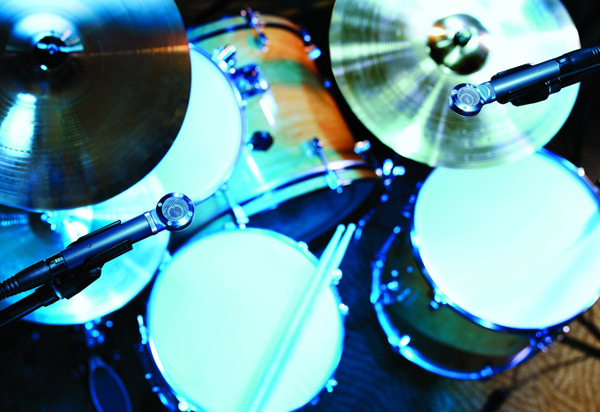
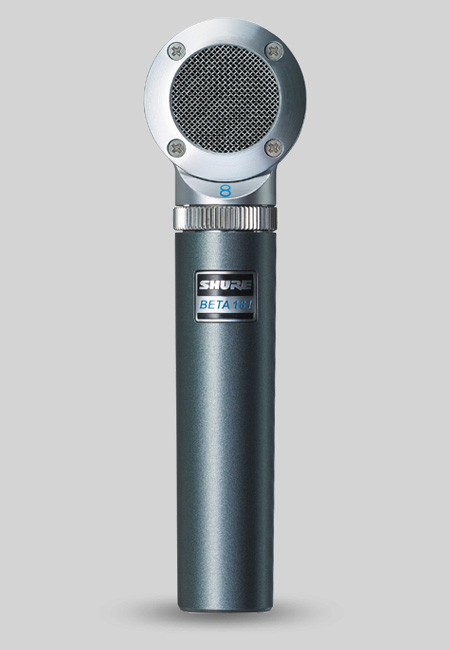 The Shure Beta 181 is so compact... that it can be placed anywhere: whether under the lid of a piano or in a drum kit. And because it offers a selection of interchangeable capsules, musicians and engineers can get very creative with their mic setup, depending on the sounds they want to achieve. Its side-mounted design makes it versatile enough for stereo microphone applications. In addition, it is very practical both on tour and in the studio. All of these reasons earned it the TEC Award for Microphone Technology and Sound Reinforcement at the 27th annual awards, held during NAMM in January 2012.
Lately the Beta 181 is attracting attention, not only for its design, but also for its fantastic sound quality and versatility.
But… how versatile is the Beta 181? John Born and Rob Klegon share their tricks on miking for stereo recording, piano, acoustic guitar, drums and percussion here.
Did you like this article?
Subscribe to our NEWSLETTER and you won't miss anything.
Related articles
 'The Voice': a production built by SBA Radical Sound around Shure
 ‘Oh Happy Day!’, on TV3, used forty Shure wireless systems
 Shure SM58 – Exceptional Digital Audio Clarity
 Axient, from Shure, present in 2012 at major events such as the Olympic Games
 Shure FP, wireless microphone designed for DSLR
 Shure ULX-D wireless microphone system now with 2 and 4 channels
 Shure launches website, in Spanish
 New subminiature microphones from Shure Microflex
 Excellent reception from professionals to the Shure Axient Tour
 Prominent presence of Shure at Prolight+Sound
Shure Beta Series: high engineering applied in microphones
Prominent presence of Shure at Prolight+Sound
Shure Beta Series: high engineering applied in microphones
 Shure Beta Series: high engineering applied in microphones
 New Shure professional headphones
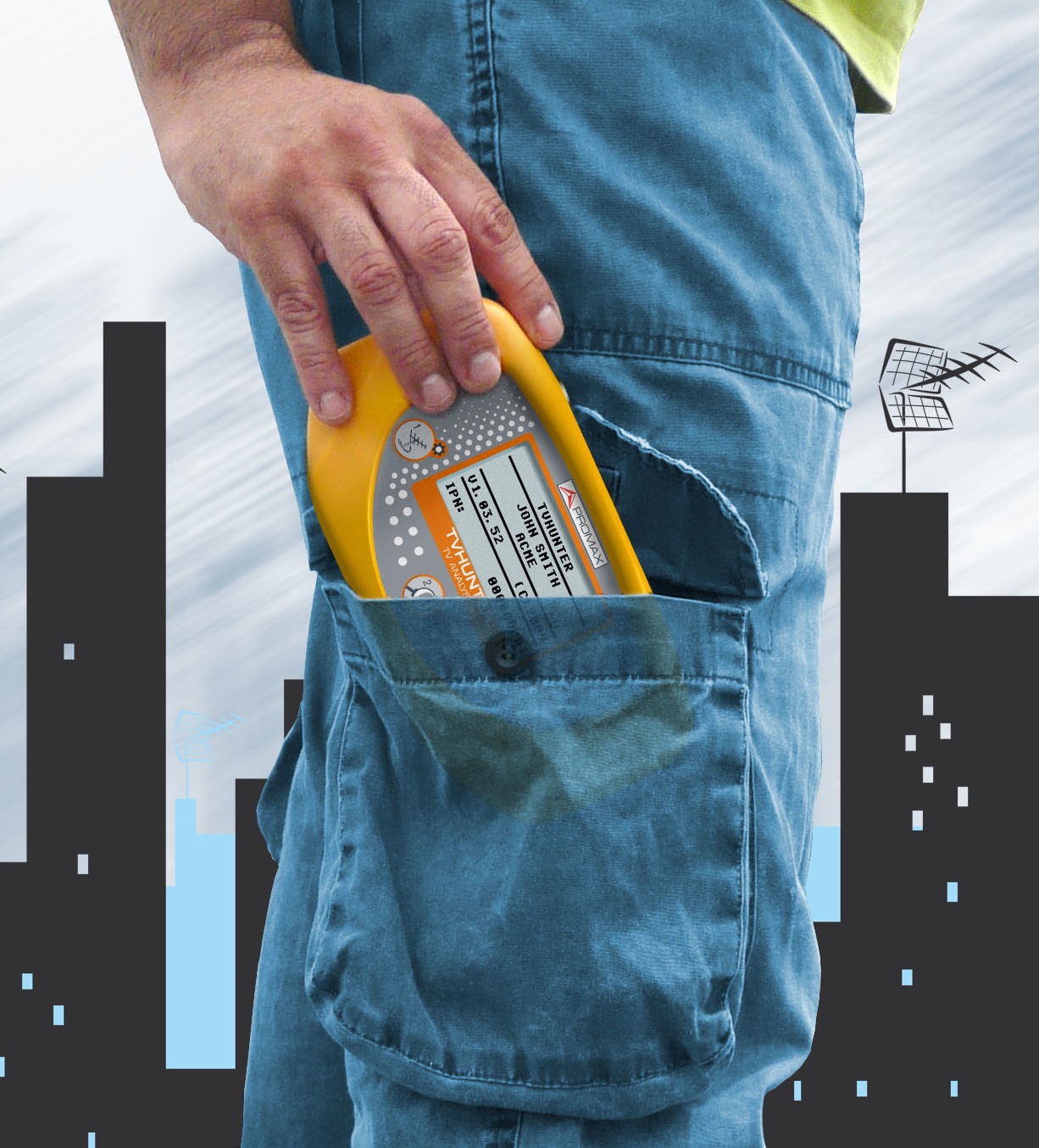 TvHunter, the smallest field meter in the world