





Werner Schuler: “TSA and Media Networks add synergies so that one plus one becomes three… not two”
El CEO de Media Networks, Werner Schuler, aclara en esta entrevista numerosas cuestiones relacionadas con la integración de Media Networks y Telefónica Servicios Audiovisuales, bajo el paraguas de Telefónica Digital, como ¿cuál será la estructura de estas unidades de negocio?, ¿qué objetivos tienen?, ¿en qué mercados se focalizarán?,¿qué planes tiene TSA como integradora?, ¿la producción de contenidos está en el punto de mira de Telefónica?…
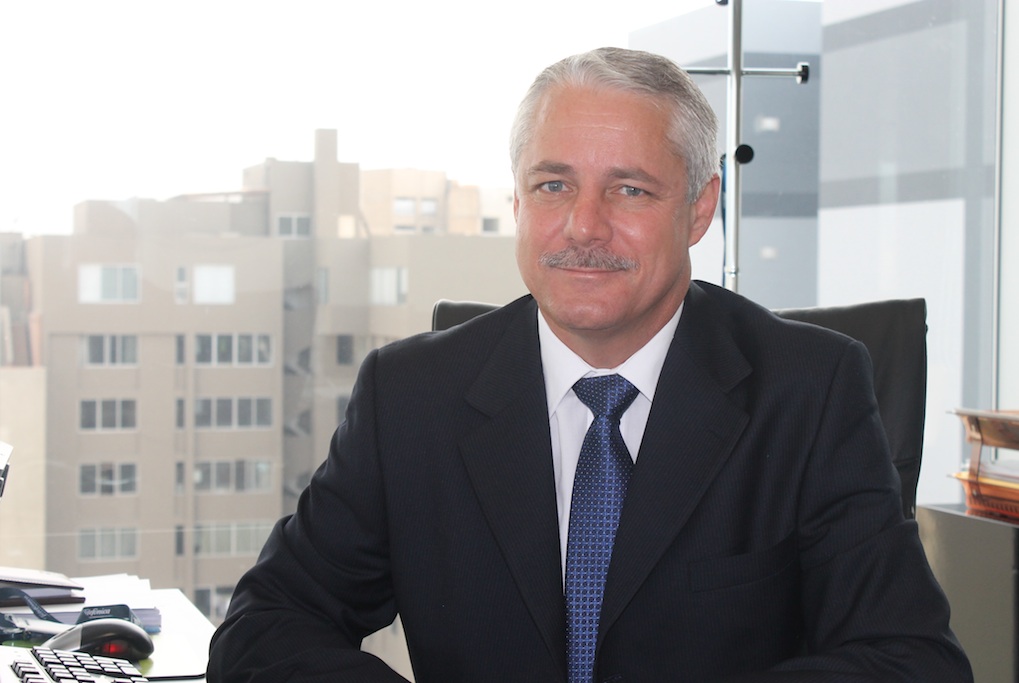
Telefónica en los últimos años ha sufrido numerosos cambios estructurales, organizativos, de imagen… ahora, bajo Telefónica Digital se organizan Media Networks y Telefónica Servicios Audiovisuales (TSA)… ¿cómo quedan estructuradas estas unidades de negocio y la relación entre ellas? ¿No son demasiados cambios?
Heráclito ya decía que lo único permanente es el cambio, y el cambio siempre es evolución. Esta industria es muy dinámica en un mundo, cada vez más dinámico y global, con diferentes puntos de inflexión. No tenemos miedo al cambio dentro de Telefónica, pese a algunos inconvenientes que suponen siempre las transiciones. Es responsabilidad de una empresa del calibre de Telefónica enfrentarse a retos caminando siempre un par de derivadas por delante. Otras compañías también se van adaptando a los cambios, aunque no tienen la proyección global de Telefónica, una empresa que se ha transnacionalizado a ambos lados del Atlántico, con fuerte presencia en el mundo hispano y europeo.
A lo largo de estos años hemos incorporado profesionales de numerosos países, y comienza a haber un movimiento muy enriquecedor dentro de la compañía. Crecer y moverse, implica adaptarse a los cambios previendo nuestro posicionamiento en el futuro.
Telefónica se irá organizando para llegar de la mejor manera al mercado y garantizar cubrir las necesidades de nuestros clientes en todo el mundo. Por ejemplo, Media Networks nació en Perú, y se fue expandiendo a toda Latinoamérica, creando soluciones muy sinérgicas, con centro de gravedad en la compartición de infraestructuras sin comprometer la identidad comercial o estratégica… pensamos como industria, no como una sola empresa, detectando así mejor las oportunidades.
Un ejemplo, es la plataforma satelital para televisión de pago de marca blanca que hemos lanzado, totalmente inocua a la capacidad competitiva que un cliente pueda lograr en un mercado. Tenemos clientes que son competidores en el retail, a los cuales no les afecta negativamente sino, que al contrario, muy positivamente cuentan con nuestro respaldo.
Por su parte, en todo este camino, que llevamos trabajando doce años en Latinoamérica, TSA fue primeramente un proveedor de servicios intragrupo que fue encajando con nuestras necesidades. Por ejemplo, TSA fue la que montó hace muchos años la productora que tenemos en Perú para la producción de canales exclusivos para las operadores y nos ayudó a implementar la cabecera que tenemos en Perú para atender a toda Latinoamérica.
La relación de Media Networks con empresas de broadcast en Latinoamérica es muy importante, y por lo tanto vimos que, una vez integrada junto a TSA bajo el paraguas de Telefónica Digital, podríamos mantener las personalidades de cada compañía. TSA y Media Networks suman sinergias para que uno más uno sean tres, no dos.
Tener una pata consolidada en Latinoamérica ha ayudado a TSA, cerrando importantes convenios con empresas broadcast en Brasil, México, Perú, Chile… ser parte del grupo Telefónica es un aval no sólo desde el punto de vista financiero o de solvencia, sino desde una visión de permanencia. Hay muchas posibilidades de trasladar ‘expertise’ a ambos lados del Atlántico… para mejorar eficiencia y respaldar los nuevos modelos de negocio de nuestros clientes.
El objetivo es fortalecer las pisadas que tenemos y tengamos. Esto fortalece a TSA en su relación con sus clientes actuales y futuros, al mismo tiempo que fortalece a Media Networks. Al robustecer y hacer más potente el brazo de Telefónica en diferentes mercados. podemos ofrecer soluciones audiovisuales en cualquier faceta e infraestructura.
Creemos que la fórmulas no necesariamente tienen que ser las mismas para América Latina y España, por la situación del mercado hoy. Por ello, hemos fortalecido nuestra estructura para satisfacer cualquier demanda.
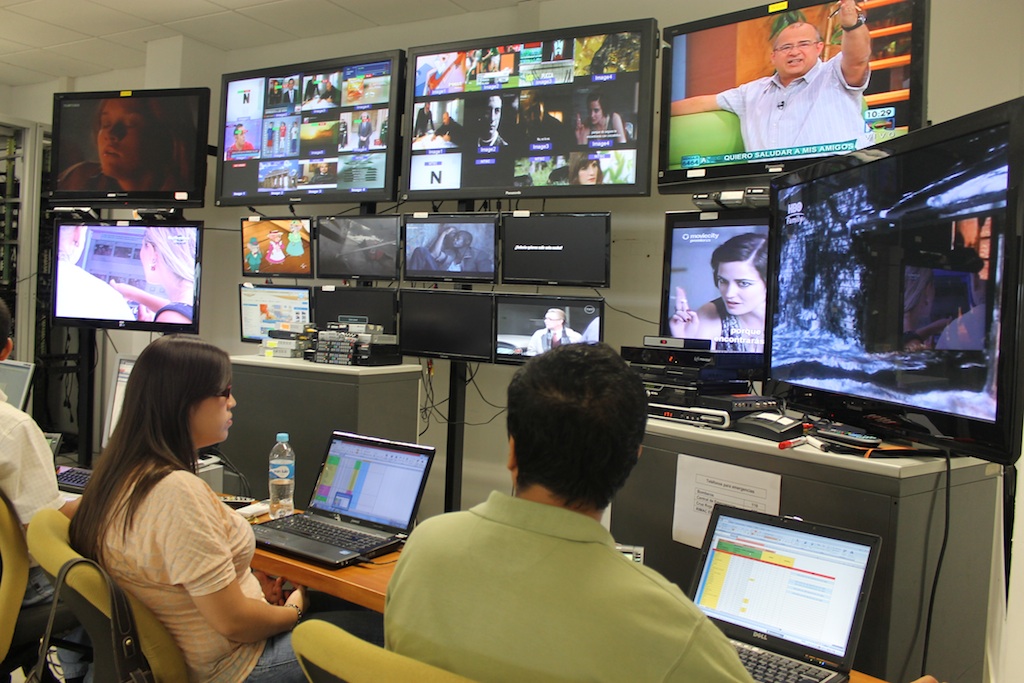
Media Networks ha revolucionado el mercado de tv de pago en América Latina con un paquete DTH de marca blanca dirigido a operadores y retailers, ¿qué ventajas aporta esta propuesta?
Ofrecemos un paquete que abarca desde la consolidación de señales de televisión, para que el cliente seleccione entre 600 señales (entre 100 y 200 por país), hasta recepción de señales, sistemas de encriptación y acceso condicional y un largo etcétera… de esta forma, en tres meses, podría poner en marcha un proyecto integrando su sistema de gestión comercial con el que ya opera a través de una especie de cinturón de comunicación que gestiona la plataforma y es absolutamente inocuo a qué cliente final quiere llegar. Además, si lo desea, podemos crear programas o canales para diferenciación.
Esta iniciativa ha supuesto un impacto en un mercado que muchos creían que sólo existiría en segmentos medios-altos porque la estructura de costes era muy alta. La mayoría de operadores decidieron hace unos diez años, enfocarse en un ARPU más alto en determinados segmentos con equipamiento cada vez más caro.
Nosotros apostamos por un entrante en televisión de pago, por ejemplo, accediendo a set-top boxes más baratos. Simplificamos todo. Se amplió el mercado potencial del negocio de tv de pago y junto a la sinergia que aporta la compartición de infraestructuras y gestión centralizada hemos reducido drásticamente la barrera de entrada.
Paralelamente, otros operadores tradicionales comenzaron también a entrar en segmentos más bajos y la consecuencia es que en Latinoamérica se ha casi duplicado la penetración de la tv de pago en los últimos 7-8 años.
Nuestra plataforma permite tanto a compañías de media que quieren extender su negocio en telecomunicaciones con televisión de pago, o empresas telco que desean incluir en su portfolio tv de pago para hacer triple play.
Este modelo, ¿tiene posibilidades de funcionar en España? ¿Qué ha fallado en España para que el despegue de la tv de pago sea tan lento?
En España se ha partido en muchas ocasiones de la premisa que la gente no quiere televisión de pago. Además, las telcos andan debatiendo internamente la necesidad de que todo lo nuevo reemplace lo existente para no andar repitiendo tecnologías del pasado. Y lo que realmente está ocurriendo es que los usuarios demandan cada día más servicios. Los niveles de tv de pago van a crecer una vez que la situación se reajuste, ya que están creciendo en todo el mundo, pero habrá mucho más valor agregado ya que los servicios OTT van a penetrar más porque son deseados por las personas con dispositivos individuales o de consumo en el hogar.
La tv de pago es un producto residencial, no podemos olvidarnos de eso. Creo que, por naturaleza, las personas y las familias tienden a incorporar en espiral productos y servicios para cubrir necesidades tanto operativas, comunicación, o de entretenimiento, información…. El tiempo que hoy en día está expuesta una persona a algún tipo de pantalla es muchísimo mayor que lo era hace apenas unos años. Las telecomunicaciones y todo lo que vincula, mejora la vida.
¿Qué planes tiene Telefónica Servicios Audiovisuales como integradora y cabecera de canales?
La compartición de infraestructura es vital. Tenemos una experiencia para ser inocuos en la gestión operativa y, además, somos parte de un paisaje que no genera ruido. Los clientes saben que, lejos de competencias, pueden confiar en Telefónica desde una perspectiva de recurrencia y permanencia en el tiempo. Eso nos puede ayudar para ser un catalizador de la nueva época que vivimos en este nuevo ciclo de la industria de media.
En cuanto a transmisiones, cada vez el mundo está más comunicado y crecen las necesidades y Telefónica es un ‘hub’ extraordinario entre Europa y América, África, Asia…. con elementos diferenciadores como la seguridad, una gran experiencia con perfiles únicos y permanencia en el tiempo.
¿Qué aporta TSA con respecto a otros integradores?
Principalmente, que podemos hacer las cosas ágilmente. Además, al tener presencia al otro lado del mundo, ha crecido nuestra huella, mejorando la capacidad de negociación con los proveedores clave con los que tenemos que integrar.
La segunda razón es que nuestro objetivo es ofrecer siempre la mejor solución sostenible así como acompañar al cliente de forma sostenida y solvente en su evolución hoy y mañana.
Destacar también que seguimos enriqueciendo un equipo humano que no entiende de fronteras, sino de proyectos y necesidades de cliente. Estamos abiertos a participaciones mixtas. No pretendemos ser los únicos en el mercado con una pisada excluyente. Estamos abiertos a acuerdos para generar la mejor solución con la misión de generar las mejores soluciones para nuestros clientes que perduren en el tiempo.
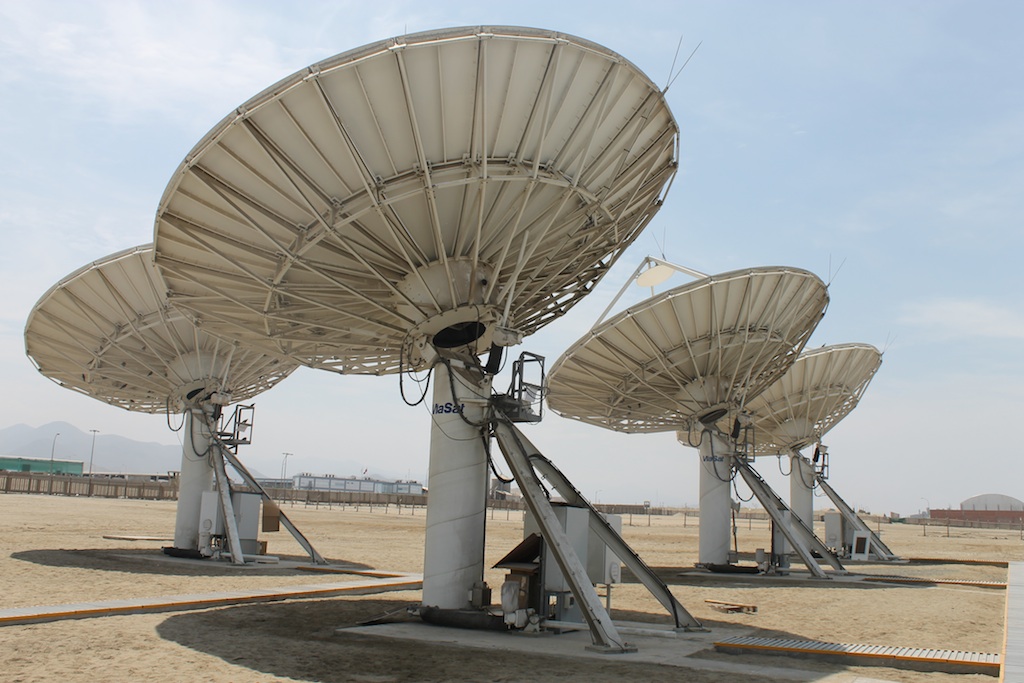
Telefónica está apostando fuerte por la banda ancha satelital, ¿en qué va a influir en el negocio audiovisual tanto desde el punto de vista B2B como B2C?
En cuanto a banda ancha, la plataforma satelital es el complemento a las redes fijas y móvil, porque éstas últimas, para configurarse como auténticas redes, necesitan densidad poblacional y poder adquisitivo… y las dos en el mismo tiempo y espacio. La plataforma satelital permite romper una de esas dos condiciones. No hay que olvidar que el servicio y el uso es móvil, pero las redes y antenas son fijas… cuando se achican los clientes potenciales, los costes se infraestructura se elevan hasta un punto insoportable. En Telefónica estamos convencidos de que ésta es una plataforma válida y competente, además de un complemento a nuestras dos grandes plataformas existentes. En Europa, el GAP previsto entre la cobertura de fijo y móvil es del 3-4%, pero en Latinoamérica, éste será mucho mayor hasta un 30-35%. Que en el futuro será fibra o móvil, será probable… pero en el camino, que durará años, la plataforma satelital tendrá una vigencia importante para universalizar el acceso a la banda ancha.
 ¿Por qué han optado por el desarrollo de la banda Ka respecto a otras?
La aparición de la banda Ka genera una reducción de costes dramática aunque sacrifica área de cobertura. La C da una cobertura hemisférica, pero en esa gran huella distribuyes toda la potencia del transponder por lo que se necesitan grandes antenas. La Ku cubre grandes áreas con varias huellas, por lo que se precisan grandes antenas para uplink pero permite recibir DTH con platos muy pequeños.
La banda Ka, en cambio, reduce más esa pisada pero también se reduce en unas cien veces el costo del uso de la capacidad. Si lo que trabajas es transmisión de vídeo o señales dentro de este espacio acotado, que no es tan pequeño, el uso de la banda Ka ofrece muchas ventajas. Para emisión de señales locales de televisión, lineales o no, la banda Ka es perfecta así como para hacer servicios ‘backbone’ de servicios móviles y fijos de banda ancha y voz.
Por último, la relación de Telefónica con la producción de contenidos ha sido en los últimos años de amor-odio… ¿qué estrategia plantean en este área?
Telefónica ni es, ni quiere ser, una productora de contenidos. Lo que no quiere decir que, de forma excepcional y puntual en algún mercado, podamos producir como ha sido el caso de Perú. Eso sí, podemos ser agregadores de contenidos ya que al tener una huella tan importante se abre una oportunidad espectacular para quienes tienen contenidos… Y en la distribución, un muy importante porcentaje del emprendimiento OTT está basado en la distribución de contenidos.
Telefé pertenece al grupo y es la principal productora de contenidos en Argentina,… pero nuestro espíritu no va por ahí. Lo que está…está. Sí tenemos intención de generar acuerdos para incrementar los ARPUS de nuestros clientes, ampliando nuestra relación con ellos para ayudarles a fidelizar y conseguir nuevos clientes.
Did you like this article?
Subscribe to our NEWSLETTER and you won't miss anything.
Related articles
 Tres Sistemas uses TVU Networks' IP technology to broadcast the emblematic performance of 'Don Juan Tenorio'
 Hispasat gestionará y transportará las señales de Media Networks Latinoamérica
 Qvest Media, Phabrix y ProSiebenSat.1 Produktion se suman a la alianza AIMS
 Media Networks hace posible el streaming del Mundial para los usuarios de la red 4G LTE de Movistar en Perú
 Media Networks organizó el IV Workshop Técnico de DTH para clientes
 Qualy TV launches its DTH service in Nicaragua with the Media Networks platform
 Media Networks presenta su solución para digitalización de tv paga, Go Digital, en Andina Link 2014
 El nuevo centro de gestión de Media Networks en Lurín, ya operativo
Unotel, Nagra y Media Networks unen fuerzas para un nuevo servicio de pay-tv en Brasil
El nuevo centro de gestión de Media Networks en Lurín, ya operativo
Unotel, Nagra y Media Networks unen fuerzas para un nuevo servicio de pay-tv en Brasil
 Media Networks participará en ABTA 2013
 Media Networks culmina con éxito la migración al Amazonas 3
 TSA-Media Networks lleva a cabo la primera transmisión en UHDTV 4K en Brasil
TSA – Media Networks firma un acuerdo con Thomson Video Networks
TSA-Media Networks lleva a cabo la primera transmisión en UHDTV 4K en Brasil
TSA – Media Networks firma un acuerdo con Thomson Video Networks
 Más capacidad satelital para Media Networks Latin America