





SanDisk and Panasonic, on an expedition to Antarctica, with The Coldest Journey
Capturando imágenes con la robusta AG-HPX250, el equipo de la expedición The Coldest Journey trabaja a temperaturas que se acercan a los 90ºC bajo cero almacenando las impresionantes imágenes en tarjetas SanDisk tanto desde la propia cámara como para backup en lugar de utilizar discos duros sensibles a tan condiciones extremas.
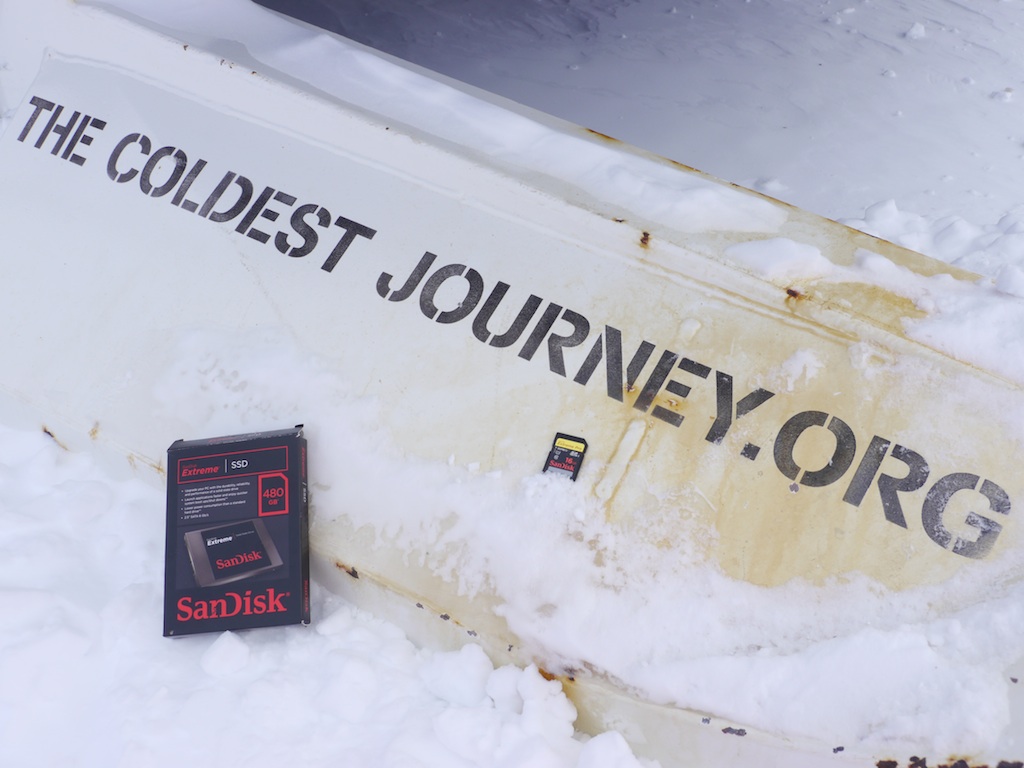
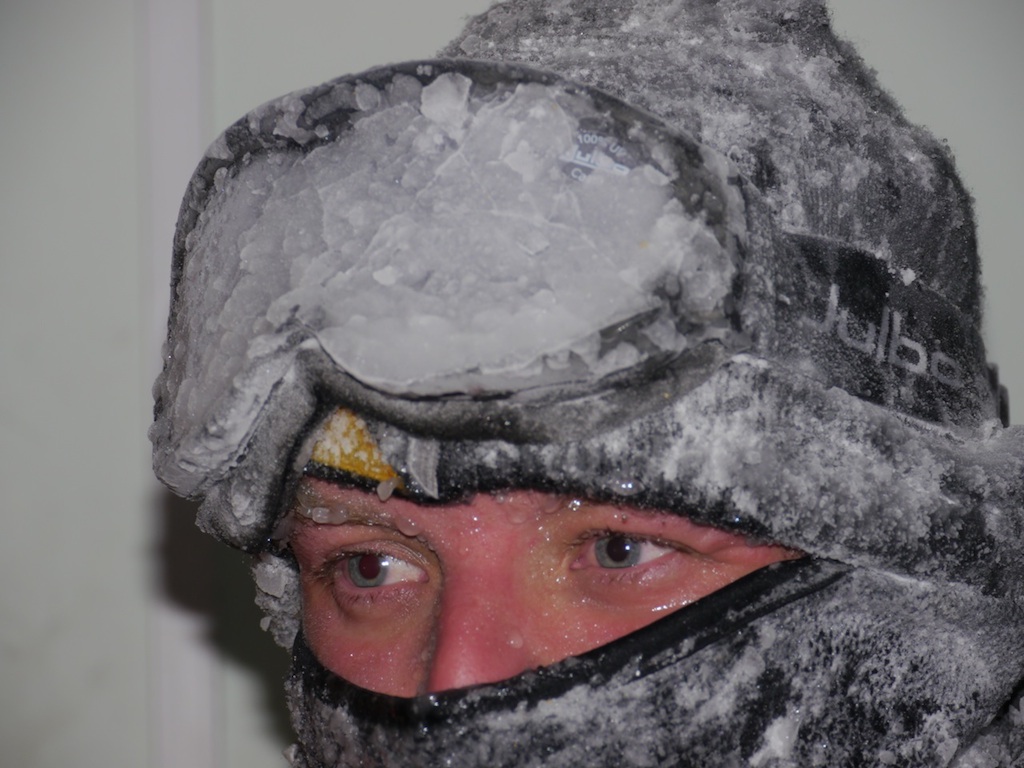 A team of adventurers are crossing Antarctica these months on the expedition The Coldest Journey, whose goal is to raise $10 million for Seeing is Believing, a global solidarity initiative to fight blindness. During their journey, the team is carrying out various scientific tests to capture images and data with the aim of significantly contributing to the understanding of the true effects of global warming on the Antarctic continent.
So that the expedition team can capture this incredible journey, and store and share content on the move, SanDisk has provided SanDisk Extreme Pro SDHC memory cards and SanDisk Extreme solid state drives (SSD).
To measure the reliability its most demanding customers need, SanDisk tests its SD cards under extreme heat, cold and impact conditions – all things that explorers will face during their journey, making SanDisk the perfect choice as a technology partner.
Neill Ewen, Director of Marketing at SanDisk, said: "SanDisk is proud to be the technology provider for this record-breaking challenge and this good cause. As flash memory cards continue to play a leading role in high-performance cameras, SanDisk is always trying to push the limits of its memory cards suitable for professional use. Reliability is extremely valuable, considering that these devices will capture and store photos and videos from this record-breaking expedition."
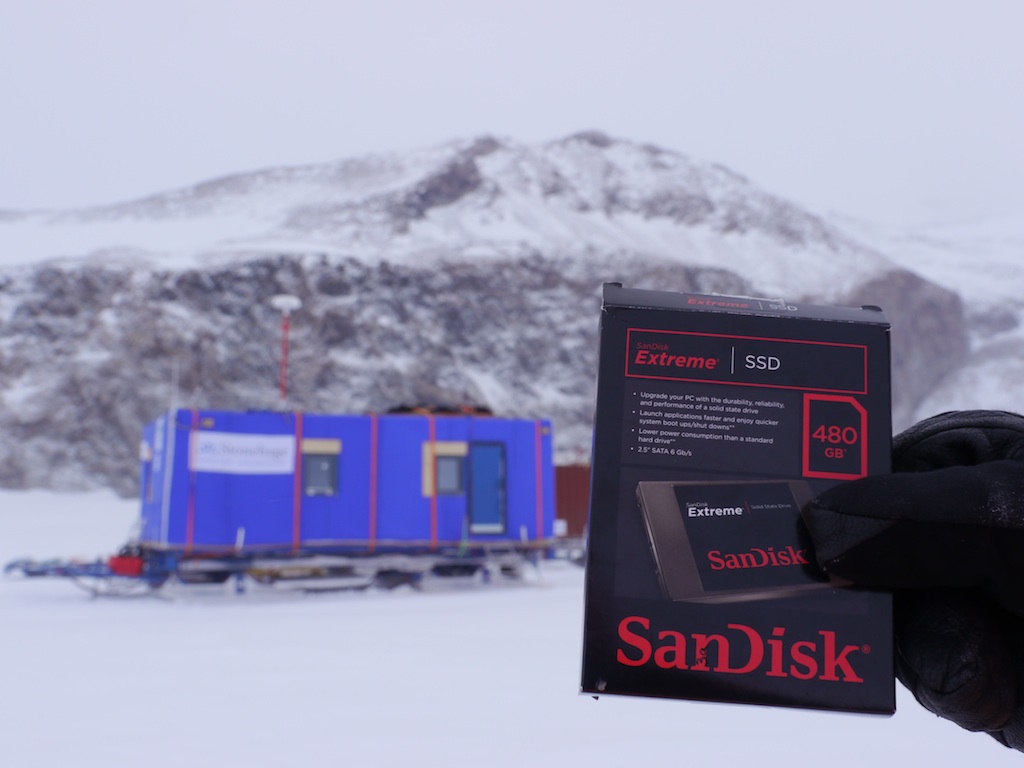 Additionally, SanDisk SSDs provide a high-speed but low-power data storage solution. SSDs have much faster data speeds than traditional hard drives1, while also using less power2 and putting less pressure on system resources, thus ensuring that your computer is as efficient as possible.
Veteran explorer Sir Ranulph Fiennes, leader of The Coldest Journey expedition, is leading this team that is at the limits of human endurance, covering 2,000 miles [3,200 kilometers] in six months at temperatures approaching minus 90ºC. Fiennes assured that "when you seek success in the extreme margins of nature, you need to have complete confidence in all your equipment. We knew that for flash memory, whether SSD to store video content or SD memory cards to record the adventure, SanDisk is the perfect partner to travel with The Coldest Journey."
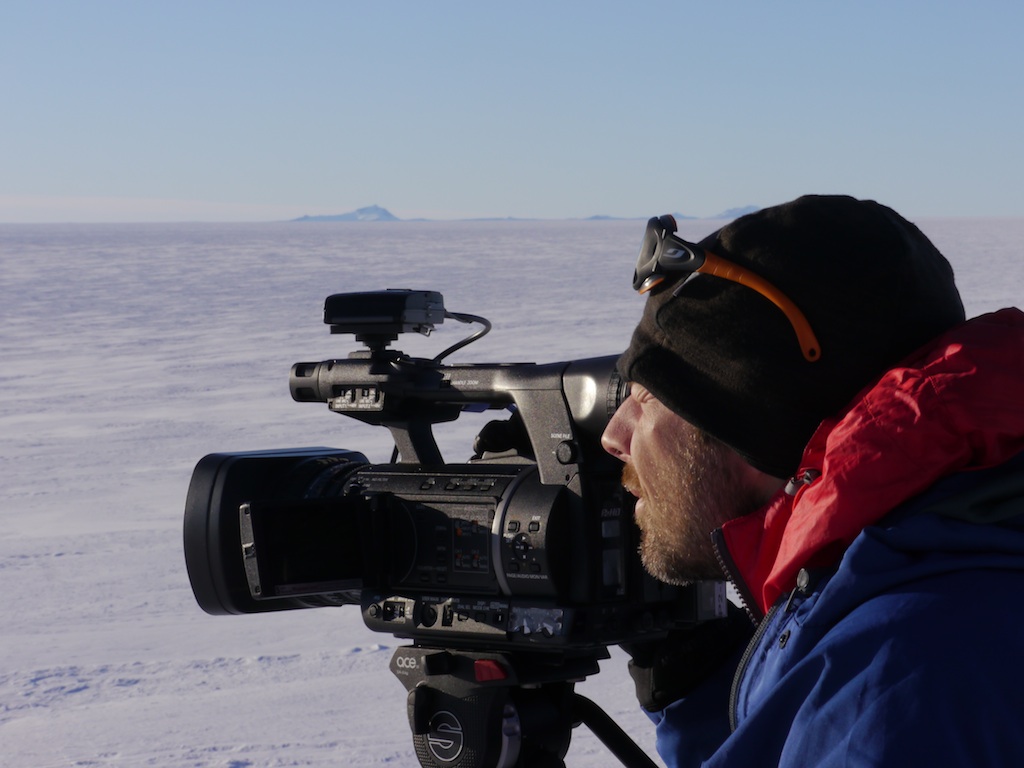
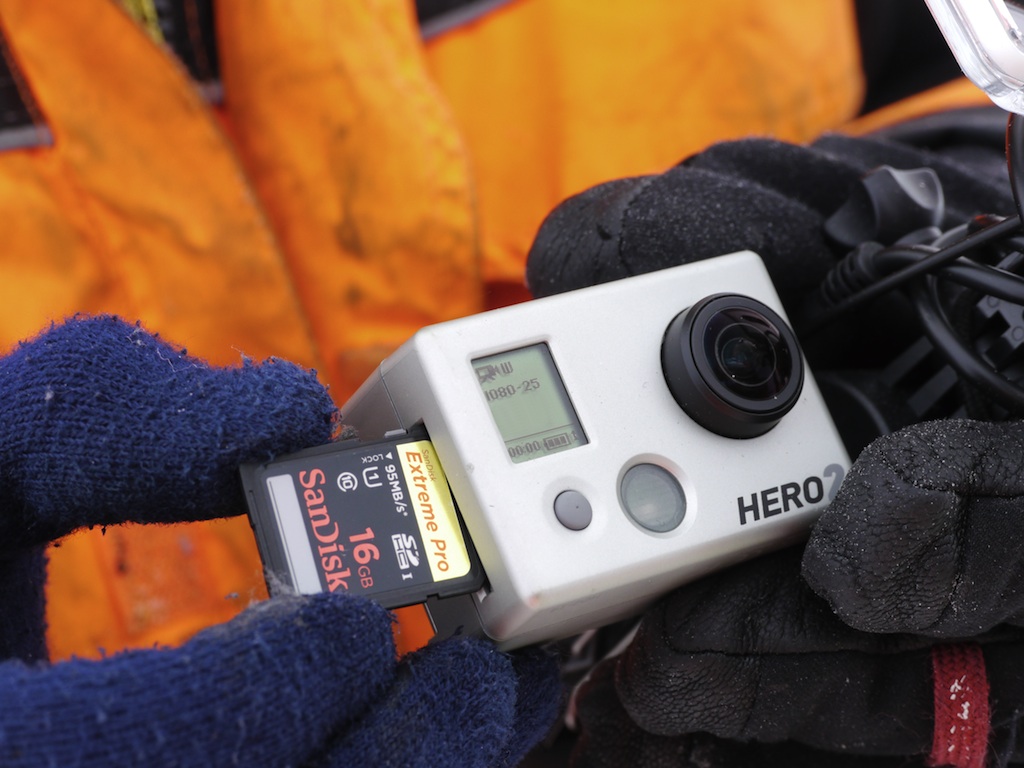 The technical team
The expedition team is collecting an average of one hour of images per day in RAW video. To be doubly sure of security, a 47TB backup would be necessary. But due to the limited capacity to travel 2,000 kilometers between ice and rocks, and the fragility of conventional hard drives given their mechanics, it was finally decided to house the entire media in SanDisk memories.
Its profitability and robustness, even in the most extreme cold temperatures, were key to this choice.
For capture, The Coldest Journey team has also opted for the robustness of the AG-HPX250 camera. Panasonic, equipped with 240GB and 480GB SSD Extreme cards from SanDisk. In support of the AG-HPX250, images are being collected with the Panasonic HC-X90 mini camera and two GoPros. For still photography, Panasonic Lumix Gs are being used with 16 GB SanDisk Extreme Pro SDHC UHS-I cards (tested to operate at temperatures down to -25 ° C).
Given the amount of material being stored and the frequency with which it is added to the file, SSDs are not
installed on the Panasonic Toughbook 53 of the expedition.
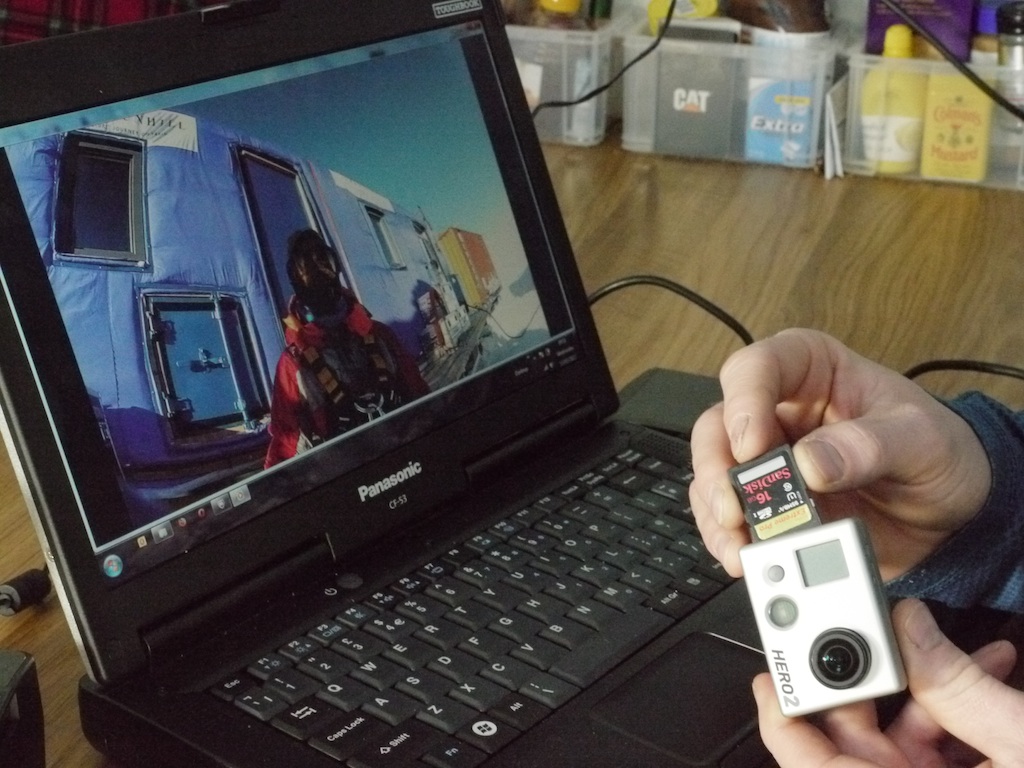 Each SSD works together with a USB device, taking full advantage of super fast read/write speeds, high reliability and large capacity.
Each day's videos are first downloaded to a laptop inside one of the transport modules (at a “comfortable” temperature of -15˚C) then moved to a SanDisk Extreme SSD via USB 3.0. The SSD is then mirrored to create a mirror as a backup.
Otra ventaja de la utilización de los SSD en de las convencionales unidades de disco duro es su excepcional velocidad de lectura y escritura que permiten al equipo llevar a cabo transferencias de video y crear copias de seguridad de forma muy rápida.
The expedition is scheduled to conclude at the end of next September.
[youtube]http://youtu.be/MsK94b98La0[/youtube]
[youtube]http://youtu.be/IMGXKp4dtBo[/youtube]
Did you like this article?
Subscribe to our NEWSLETTER and you won't miss anything.
Related articles
 Vodafone Studios starts its journey supported by Blackmagic solutions
 Western Digital brings the news of its SanDisk and SanDisk Professional brands to Amsterdam
 SanDisk Professional combines up to 4 TB and high resistance in the Pro-G40 SSD
 CCMA: from Antarctica, to the world with Blackmagic, mobile phones and Starlink
 New Al Mashhad TV begins its journey with Lawo IP infrastructure solutions
 Clear-Com wireless solutions, co-stars in an underwater expedition
 Bahrain Radio begins its journey into the digital world with Lawo’s VSM
 Sennheiser microphones capture audio from the MOSAiC expedition to the Arctic ice cap
 SanDisk prepares to launch a 1TB SD card
 SanDisk launches a 200 GB microSD card
 Sandisk will launch a memory card to record in 4K
 Alessandro Beltrame chooses a Panasonic camera and the Sachtler FSB 6:2 D tripod for his latest work in Antarctica
 SanDisk compra Smart Storage Systems
 Africa Expedition, capturing its mysteries with Sound Devices, Sony and Sennheiser