





Calrec anuncia Callisto, su elegante nueva consola para broadcast
Diseñada para aplicaciones de broadcast en directo ha sido enfocada a una operación intuitiva, Callisto simplifica las acciones más complejas, como la creación de envíos mix-minus y con los procesos más habituales a tan solo un “toque”.
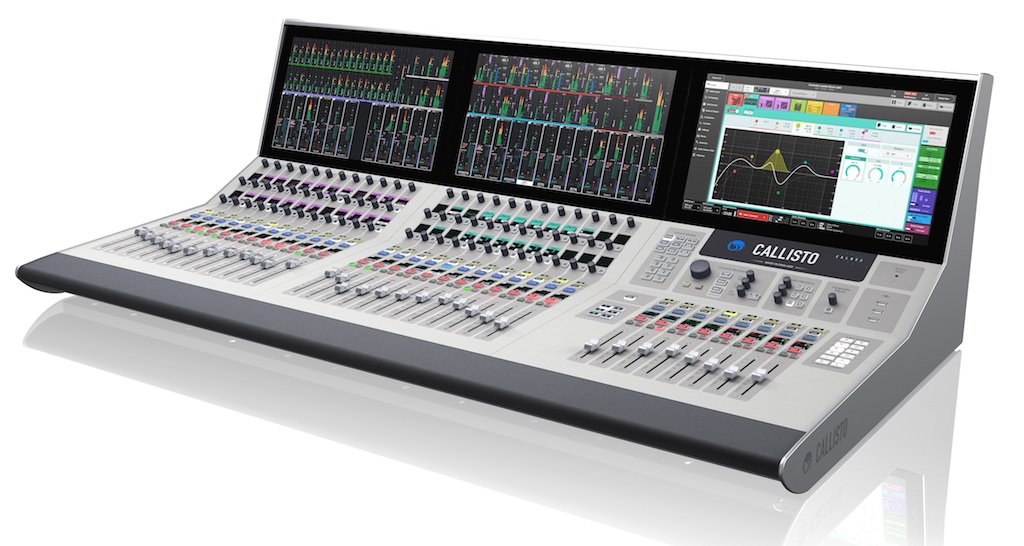
Calrec presenta estos días en IBC su nueva consola de audio Callisto, para aplicaciones de broadcast en directo. Callisto ha sido diseñada para los profesionales del broadcast que necesitan producir de manera sencilla un audio creativo y de calidad, pero no necesitan de tantos recursos como los disponibles en las consolas Apollo y Artemis.
Henry Goodman, director de ventas en Calrec, asegura que “el interfaz ha sido diseñado para que sea sencillo y directo, durante todo el proceso de diseño no solo nos hemos centrado en las prestaciones y capacidad sino en la experiencia del usuario en su totalidad”.
Callisto dispone de un refinado diseño mecánico, con una fina construcción logrando un mínimo contenido de material y componentes. Un exquisito diseño en la distribución de alimentación consigue que la consola sea un 30% más eficiente en comparación a una Artemis Light. El acceso para mantenimiento se realiza desde el frente de la consola pudiendo desmontarse toda la superficie con solo 12 tornillos.
Al diseñar la nueva consola, Calrec se ha centrado en que el GUI de Callisto sea muy intuitivo y apto para un amplio espectro de operadores. El usuario controla la superficie mediante una pantalla multitáctil de 17” inspirada en el funcionamiento de los tablets, con un interfaz muy sencillo que emplea movimientos ya establecidos de los dedos para navegar por el sistema. El display ofrece controles elegantes y una clara presentación de la información.
Diseñada para aplicaciones de broadcast en directo ha sido enfocada a una operación intuitiva, Callisto simplifica las acciones más complejas, como la creación de envíos mix-minus y con los procesos más habituales a tan solo un “toque”.
Los otros displays de Callisto son totalmente configurables para mostrar medidores de bus, salidas y loudness, e incorporan medidores dedicados para routing e información de proceso por fader.
La superficie de control está disponible en configuraciones de 32 y 44 faders. Cada canal incluye los controles mecánicos más esenciales, incluyendo un fader, dos celdas de control configurables y potenciómetro de ganancia.
Callisto emplea en el core la premiada tecnología de Calrec Bluefin2, y el mismo router Hydra 2 de 8192 x8192 como las consolas Apollo y Artemis. Las tecnologías Bluefin2 e Hydra2 son empleadas en cientos de instalaciones en todo el mundo durante 24h al día, siendo las tecnologías de proceso de audio más avanzadas disponibles a día de hoy.
Callisto con Bluefin2 dispone de un conjunto de 180 paths de proceso, que pueden ser configurados como canales mono, estéreo o 5.1. Como en todas las consolas de Calrec, no se comparten los recursos en el DSP y por lo tanto todo el proceso está disponible en todos los canales en todo momento. Callisto dispone de 8 grupos, 4 salidas principales (todas pueden ser mono, estéreo o 5.1), 16 auxiliares y 32 pistas.
Did you like this article?
Subscribe to our NEWSLETTER and you won't miss anything.
Related articles
 Phoenix Broadcast Solutions invests in Calrec technology for its live broadcasts
 Raycom Sports updates its flagship mobile unit with a Calrec Argo S console
 Broadcast Solutions integrates Calrec technology into SuperSport's new native 4K IP mobile
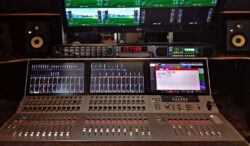 INA TV produce el sonido de los clasificatorios de Catar 2022 con la consola Summa de Calrec
 The Italian Cinevideo turns to Calrec for its new UHD mobile unit
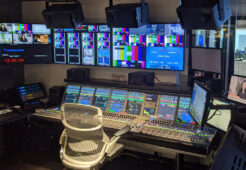 BeckTV elige la consola de audio Artemis de Calrec
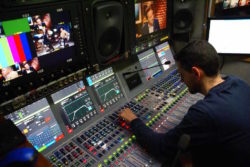 Tilt equips its mobile unit with a Calrec Artemis console
 Gloway mejora su unidad móvil HD con una consola Calrec Summa
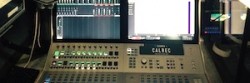 Calrec advances in the marketing of its new Summa digital console
 NEP instala una consola Calrec en el complejo de producción de Wimbledon en Londres
 Fairlight will debut its new Evo.Live broadcast console at NAB 2014
 Abu Dhabi Media instala su quinta consola de audio Calrec
 Pinewood Studios installs an Artemio Beam console from Calrec
 Save Diffusion presents the new Axia Radius console at Broadcast 2011