





Why HEVC is coming faster than you think
Si bien nadie niega que HEVC es un importante salto hacia adelante, hay una cierta discusión sobre si la tecnología será aceptada por el mercado. ¿Cuál es el plazo para la adopción generalizada, dos años, tres años, cinco años? En realidad, la oportunidad para la generalización del HEVC puede ser más inmediata de lo que se piensa.
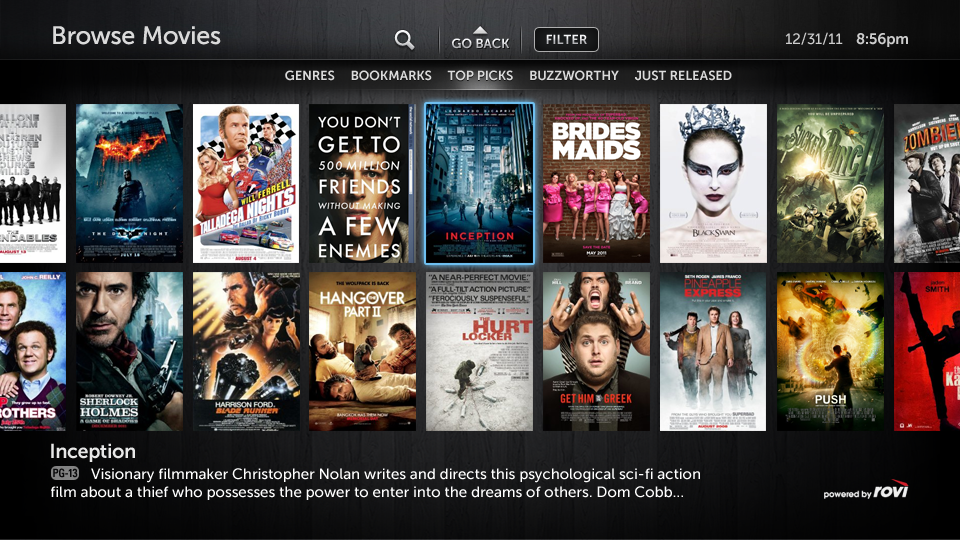
La codificación de vídeo de alta eficiencia, o HEVC, ha sido la estrella de numerosas ferias de electrónica de consumo en el mundo de este año. Y cómo no – ¿quién no va a apreciar una impresionante nueva tecnología de compresión que puede mantener la calidad visual, a la vez que reduce casi a la mitad el tamaño del archivo del vídeo? Las ventajas de HEVC son enormemente beneficiosas para el sector de la distribución de vídeo. Los propietarios de contenido pueden almacenar más vídeos y películas por el mismo precio, las emisoras pueden transmitir vídeo vía streaming de manera más eficiente en las redes, y los consumidores pueden disfrutar de una mejor experiencia de entretenimiento ya que el vídeo es más fácil de transmitir directamente a todos sus dispositivos.
Si bien nadie niega que HEVC es un importante salto hacia adelante, hay una cierta discusión sobre si la tecnología será aceptada por el mercado. ¿Cuál es el plazo para la adopción generalizada, dos años, tres años, cinco años? En realidad, la oportunidad para la generalización del HEVC puede ser más inmediata de lo que se piensa.
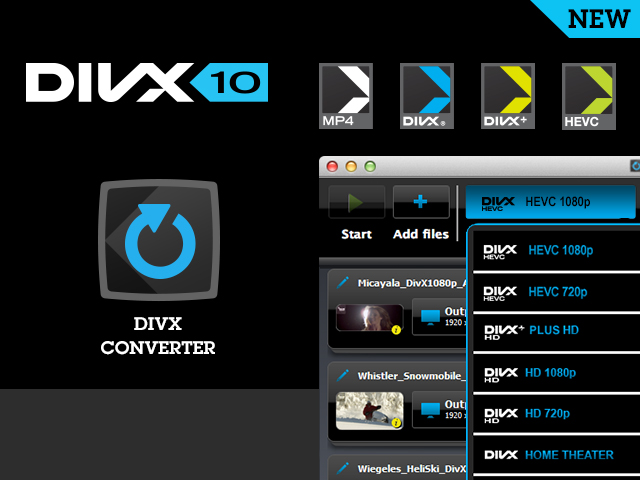 Al principio
Primero, un poco de historia. Desde los primeros días de la distribución de video, ha habido varios grandes saltos en la tecnología de compresión. El primero fue el dado desde el MPEG-2 al MPEG-4 ASP. Le siguió el del MPEG-4 ASP al Advanced Video Coding (AVC). Y finalmente está el salto dado desde el AVC a HEVC. Estos han sido todos grandes avances, pero a la industria le ha tardado años adoptar estas nuevas normas. Un ejemplo de ello es la industria de la radiodifusión. Muchas emisoras están aún atrapadas en el MPEG-2 y ni siquiera han hecho el cambio de MPEG-4 a AVC, a pesar de los evidentes beneficios en la compresión.
De modo que ¿por qué HEVC ha de ser diferente? Por una cosa, el vídeo es más importante que nunca. Más que cualquier otra tecnología, el vídeo digital está impulsando el futuro de las comunicaciones y de Internet. De hecho, un reciente estudio realizado por Rovi Corporation halló que aproximadamente el 66% de los usuarios de tabletas y el 71% de los usuarios de teléfonos móviles en EE.UU. visualizaron vídeos en esos dispositivos de 2 a 3 veces por semana o más. Al mismo tiempo, los usuarios de dispositivos móviles señalaron que están preocupados por los costes relacionados con la transmisión de vídeo. Aproximadamente la mitad de los encuestados afirmó que limitan la cantidad de streaming de vídeo en sus teléfonos móviles debido a su preocupación por los costes que puedan derivarse de ello. Si a esto le unimos, la lentitud en los tiempos de carga y las pausas demasiado frecuentes en la acción debido a la amortiguación, es fácil de entender por qué los consumidores recibirían con agrado el HEVC.
La ventaja de HEVC
HEVC puede reducir esas preocupaciones. Aquellos que disfrutan viendo videos en los smartphones pero que les preocupa pagar una gran factura al final del mes son los que más se beneficiarán, ya que con HECV se reducen los gastos provocados por la descarga de vídeo digital a través de las redes de telefonía móvil. Hoy en día, el vídeo es el enemigo de la mayoría de los planes de datos. Unos días en Netflix pueden acabar con cualquier limite de ancho de banda. Pero con HEVC reduciendo los índices de compresión, los consumidores podrían ver más videos a un coste total más bajo.
Es más, como los dispositivos están empezando a ser compatibles con la reproducción HEVC a nivel del chip, la potencia de procesamiento necesaria para reproducir estos vídeos se reducirá, ahorrando batería y, en general, mejorando la experiencia global con el video móvil.
Para los fabricantes de dispositivos, HEVC es una de las pocas maneras de mejorar realmente su hardware y obtener una ventaja competitiva al ofrecer a los consumidores un video digital mejor, más rápido y más barato. También es un fuerte incentivo para introducir rápidamente nuevos dispositivos que sean compatibles con HEVC. Algunos dicen que pasarán años antes de que el hardware esté listo para manejar HEVC. La verdad, sin embargo, es que las empresas de chips están planeando lanzar muy pronto decodificadores HEVC. A finales de este año, habrá en el mercado PCs y smartphones, capaces de reproducir secuencias HEVC de alta definición en tiempo real.
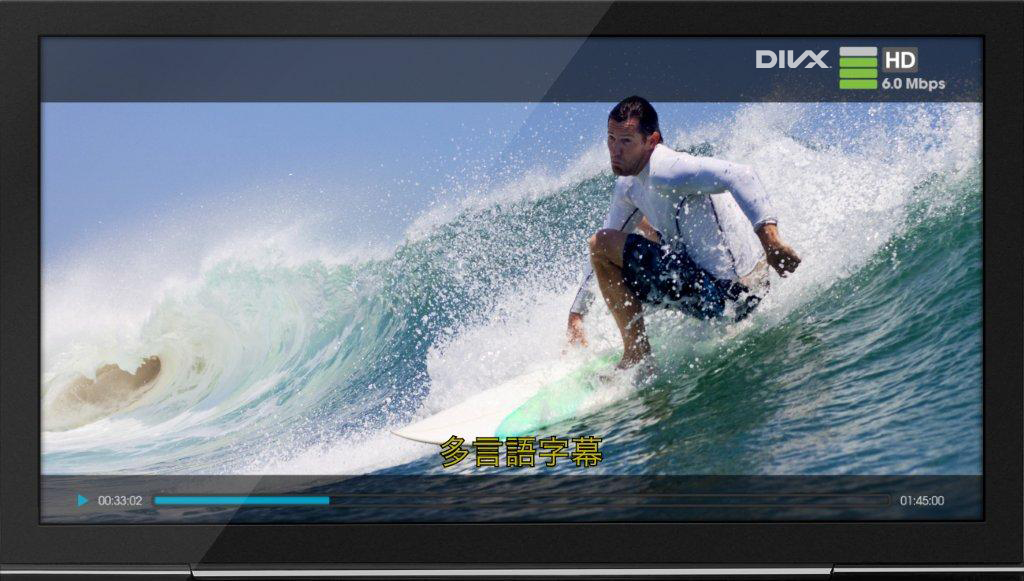
El auge de 4K
Otro gran impulsor de la adopción de HEVC es el vídeo 4K (3840×2160). 4K ofrece una impresionante nitidez y representa un gran paso adelante respecto al 1080p actual (1920×1080 píxeles), ya que multiplica por 4 el número de píxeles. El problema, por supuesto, es que los archivos 4K son enormes. Pero con un estándar de compresión como HEVC, el video 4K es perfectamente posible. De hecho, 4K podría convertirse en la aplicación estrella para HEVC, como lo fue HD para AVC.
Ahora es posible reproducir vídeos 4K en hardware que utiliza el potencial del plug-in, y es sólo una cuestión de tiempo antes de 4K sea práctico para ordenadores portátiles, dispositivos móviles, e incluso cámaras digitales. ¿A qué consumidor no le gustaría una cámara de video 4K, sobre todo si se puede obtener una resolución asombrosa y una compresión más alta que hace que sea más fácil que nunca compartir y disfrutar de las fotos con la técnica más avanzada y de videos caseros? Además las imágenes fijas se encuentran en el rango de resolución de 4K, y una vez que los consumidores experimentan la impresionante alta resolución en sus pantallas, les ayudará a impulsar la demanda de pantallas de 4K.
Ahora que el almacenamiento en la nube ha entrado en la dinámica, las ventajas económicas de HEVC se hacen aún más evidentes. Muchas empresas de servicios cloud están cobrando una cuota por todo lo que va más allá de la capacidad de almacenamiento básico, obligando a los consumidores a escoger y elegir lo que ellos ponen en la nube. Pero con HEVC, los consumidores pueden almacenar más videos domésticos y fotos, así como cientos de horas de entretenimiento y películas, a la vez que ahorran dinero en el proceso.
Dar el salto
HEVC podría también actuar como un catalizador para los proveedores de infraestructuras, como la industria audiovisual. Es posible que muchas emisoras, especialmente aquellos que aún están atrapados en la era de MPEG-2, cuando vean el gran salto que ofrece HEVC dirán: “De acuerdo, ahora es el momento de hacer el cambio”.
Por supuesto, también hay fuerzas económicas que entran en juego. Si estos grandes proveedores no actúan pronto, van a ser aún menos competitivos dado que no están comprimiendo vídeo tan eficientemente como sus rivales. Y, con 4K en el horizonte, los canales de TV y proveedores de cable sentirán sobre ellos la presión para comenzar a ofrecer más productos y servicios que puedan competir con empresas como Netflix y Hulu.
Por último, a diferencia del pasado, todo el ecosistema está firmemente instalado para impulsar la rápida adopción de HEVC. La tecnología de compresión hoy día está estrechamente vinculada a cosas como la gestión de derechos digitales y el streaming adaptativo. Además, los proveedores de hardware y software están sólidamente integrados en el ecosistema, lo que les permite aprovechar más rápido que nunca las nuevas normas como HEVC.
Con la explosión de los videos online y los dispositivos conectados a la red, los consumidores serán los receptores de una bonanza de entretenimiento de alta calidad y estrecho ancho de banda. Y lo mejor de todo: va a pasar mucho antes de lo que parece.
Charles Dawes
Product Management Director
Rovi Corporation

Did you like this article?
Subscribe to our NEWSLETTER and you won't miss anything.
Related articles
 Italy warns about the transition to DVB-T2/HEVC: “It is slowing down local TV investments in new technologies”
 Dalet impulsa el rápido desarrollo de Ooyala Flex Media Platform
 Fujinon desarrolla la nueva lente broadcast 4K con AF rápido y preciso
 Apple releases the fastest MacBook Pro in history
 Is the rapid growth of OTT platforms affecting pay television?
 IP: who is really taking advantage of this technology in broadcast?
 Synology launches its new ultra-fast all-flash NAS Flashstation FS2017
 XS3: the new EVS server that provides faster access to multi-camera content
 Ultra HD 4K takes off at a much faster pace than HD did
 Avid Media Composer, now faster with native 4K material
 Tektronix thinks about 3D with new testing tools
 Doremi Qalif, a quick adjustment and calibration of the projection chain
 Intercambio rápido de media y metadata entre EVS y Quantel
 Immediate access and secure and fast backup to P2 cards