





Italy warns about the transition to DVB-T2/HEVC: “It is slowing down local TV investments in new technologies”
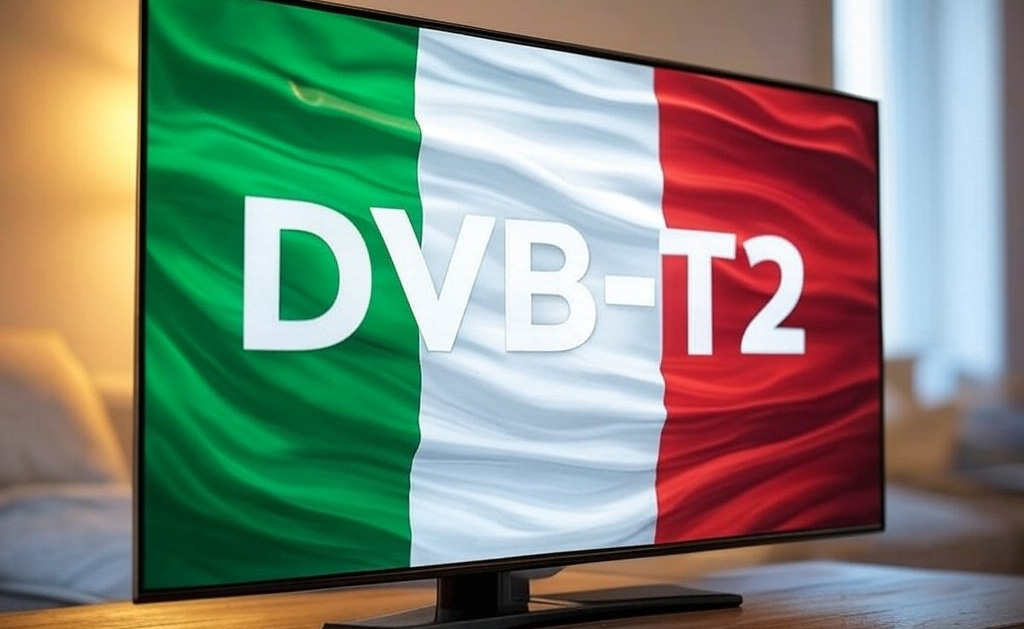
Aeranti-Corallo, the association that represents local Italian television stations, has conveyed the situation of helplessness they find themselves in during a transition process to DVB-T2/HEVC that has prioritized the large channels.
According to the complaint association, while the world market presents increasingly powerful and larger television screens, capable of fully exploiting the potential of new high-quality image and sound coding technologies, local italian televisions are still forced to operate with outdated transmission standards, due to a transition “that is not being completed, furthermore, as required by law.”
Marco Rossignoli, coordinator of Aeranti-Corallo, points to this situation as a direct consequence of a plan that has prioritized the national televisions, leaving the capabilities of the local ecosystem limited: “While national televisions have been allocated adequate transmission capacity, even continuing to use the old DVB-T standard (with MPEG-4 compression instead of MPEG-2), on the contrary, local televisions are forced to transmit at a significantly lower quality, waiting for the transition to be completed. DVB-T2/HEVC”.
For Rossignoli, this situation not only harms the competitiveness of local television, but also negatively affects the informational pluralism and to access to local content by the public. “The continued uncertainty over the deadlines for completing the transition to DVB-T2/HEVC, furthermore, slows local TV investments in new technologies and makes the adaptation of infrastructure difficult, with serious repercussions on the innovation and modernization of the sector,” he adds.
In this context, Aeranti-Corallo reiterates the “absolute necessity” of urgent intervention by the competent institutions and, therefore, requests the Ministry of Business and Made in Italy (MIMIT), to define as soon as possible a binding calendar for carrying out the transition to DVB-T2/HEVC, as well as to adopt specific measures to support the technological adaptation process.
Did you like this article?
Subscribe to our NEWSLETTER and you won't miss anything.
Related articles
 The CNMC addresses the future of DTT: it demands to supervise the tender for the new channel and warns about UHD
 RAI leads the transition of the Italian television system with the imminent start of broadcasts in DVB-T2 and HEVC
 Netflix delves into local Spanish content with the remake of 'My dear lady' and a documentary about Baroness Thyssen
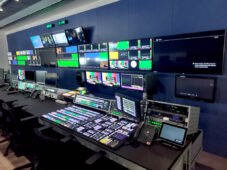 Mediaset Italia adopts Sony's XVS-7000 mixers in its transition to IP
 Evertz continues cloud transition with new solutions at NAB 2022
 The future of animation and new technologies under debate at Next Lab
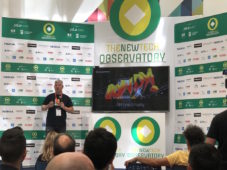 Brainstorm participates in the New Technologies Observatory
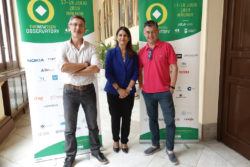 The Malaga Observatory celebrates its third edition, consolidated as the main multidisciplinary event on new technologies
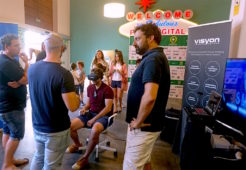 The Observatory of New Technologies starts in Malaga
 The Malaga Observatory consolidates itself as the reference event in Spain on new immersive technologies
 The transition to IP and new creative tools mark the presence of Quantel and Snell at NAB 2015
 Why HEVC is coming faster than you think
 CulturaLive: promoting local culture through new audiovisual technologies
 New Vinten Radamec robotics at Sky Italia