





Inmarsat lanza su primer satélite Global Xpress de nueva generación
Los satélites de la nueva generación (de los cuales se han construido tres, más uno de reserva) disponen de 89 huellas en banda Ka (Global Xpress), fijas y orientables, facilitando nuevos servicios en movilidad.

Un cohete ruso Proton-M/Briz-M ha puesto en órbita geoestacionaria un nuevo satélite del consorcio internacional Inmarsat. Se trata del primer Inmarsat-5, un ingenio de 6090 kilos fabricado por la compañía estadounidense Boeing sobre una plataforma BSS-702HP.
Plenamente recuperado de sus problemas anteriores, el cohete despegó desde Baikonur a las 12:12 UTC del 8 de diciembre llevando a su carga hasta una trayectoria supersincrónica, que el motor del satélite se ocupará de convertir en circular y geoestacionaria.
Los satélites de la nueva generación (de los cuales se han construido tres, más uno de reserva) disponen de 89 huellas en banda Ka (Global Xpress), fijas y orientables, lo que permitirá que los clientes puedan usar sus sistemas de comunicaciones móviles con gran flexibilidad, en función de la demanda. Sus usuarios principales serán buques y líneas aéreas.
Los satélites Inmarsat anteriores usaban la banda de frecuencia L. Su sustitución por la banda Ka ofrecerá mayores velocidades de transmisión de datos, si bien algunas de las antiguas unidades siguen operativas.
Did you like this article?
Subscribe to our NEWSLETTER and you won't miss anything.
Related articles
 New SES O3b mPower satellite constellation promises a new era in connectivity
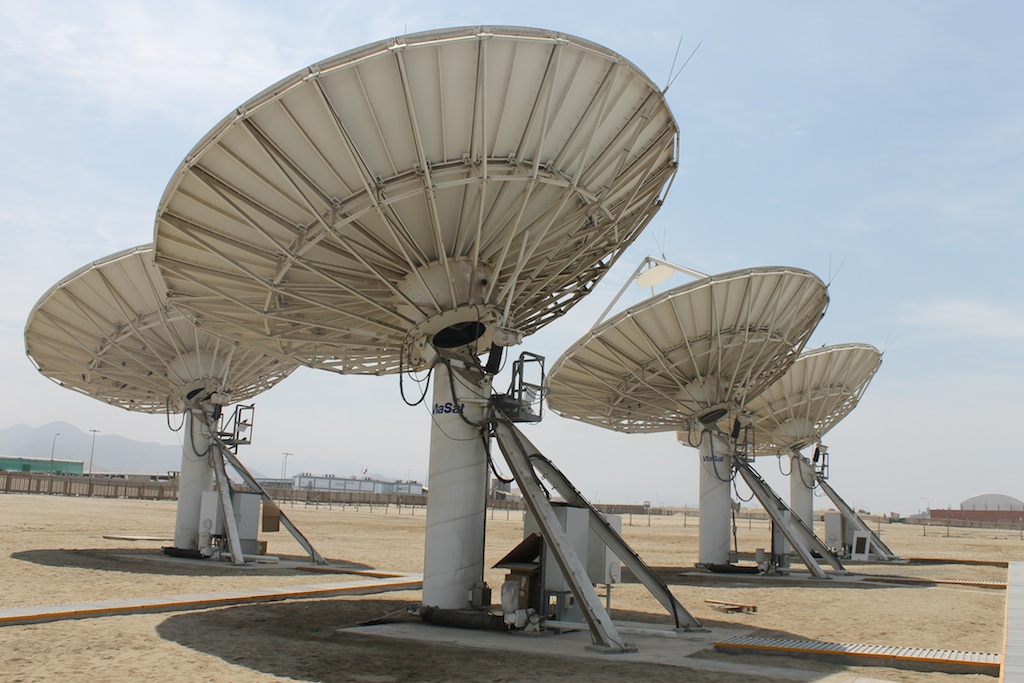 Hispasat Wave, la nueva generación de servicios gestionados mayoristas vía satélite
 Santander Teleport will host the new Inmarsat satellite access station
 The 5G Forum will offer a global vision of what the new 6G generation will mean
 Telestream lanza la nueva generación del servidores G6 Lightspeed
 Eutelsat encarga Konnect VHTS, un satélite de nueva generación con el procesador digital más potente jamás puesto en órbita
 CNN Chile launches new automation with Marina Xpress from Pebble Beach
 Nagra lanza una nueva generación de protección unificada de contenidos en multidispositivo
 The new Inmarsat-5 F2 takes a new step towards global access to high-speed broadband
 Yamaha launches Rivage PM10, first new generation console for digital mixing
 Argentina launches Arsat-1, the first geostationary satellite built in Latin America
 Promax launches a new generation of oscilloscopes
 TVOne lanza Corio2, su nueva generación de escaladores
 Analog Way launches a new generation of high-end video processors