





Jordi Évole, in the Orson Welles style, breaks records with his 'mockumentary' on 23-F
Jordi Évole logra con su falso documental, ‘Operación Palace’, más de 5,2 millones de espectadores y un share del 23,9%. El trabajo de Jordi Évole sobre el intento de Golpe de Estado de Antonio Tejero es la emisión no deportiva más vista en la historia de LaSexta.
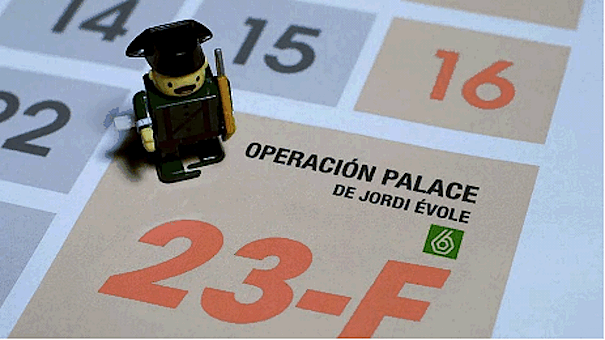
Siguiendo la estela de las experiencias que Orson Welles, en La Guerra de los mundos (1938), en versión radial; La verdadera historia del cine / Forgotten Silver (1995), de Peter Jackson y Costa Botes u Operación Luna, (Opération Lune o Dark side of the Moon, 2002) entre otros trabajos, Jordi Évole dio un nuevo paso en el género del documental falso con la emisión de Operación Palace.
Este mockumentary o falso documental centrado en la intenta golpista del 23-F de 1981 congregó a 5.229.000 espectadores. El 23,9% de la audiencia siguieron el especial emitido por LaSexta, constituyendo la emisión no deportiva más vista en la historia de la cadena. Con esta emisión, que da una nueva vuelta de tuerca a la creatividad en televisión, LaSexta y Atresmedia Televisión vuelven a apostar por la innovación.
Este programa firmado por Évole, que supone un ejercicio de debate sobre el poder de los medios y su capacidad de influencia, superó en +14,4 puntos al estreno de “Viajando con Chester” en Cuatro, que fue visto por 9,5% del público y 2 millones de espectadores.
El especial fue durante sus 52 minutos de emisión líder absoluto entre todos los públicos y ámbitos, con un 28,1% en Target Comercial. Así logró un 22,6% en jóvenes, un 28,2% en el de 25-34 años, 26% en el de 35 a 44 años, 25,1% en el de 45 a 54 años, 28,8% en el de 55 a 64 años y del 19,7% en mayores de 65 años.
En cuanto a los ámbitos, registró un 19,3% en Andalucía, un 27% en Cataluña, un 26,5% en País Vasco, un 22,7% en Galicia, un 29,7% en Madrid, un 26,4% en Valencia, un 20,3% en Castilla-La Mancha, un 19,1% en Canarias, un 33,4% en Aragón, un 18% en Asturias, un 21,9% en Baleares, un 19,5% en Murcia, un 23,2% en Castilla y León y un 15,8% en el denominado Resto.
Las redes sociales tampoco quedaron indiferentes ante la emisión de Operación Palace, ya que fue líder del share social con más de 267.000 comentarios, lo que supone una media de cerca de 1.500 por minuto y 107.980 espectadores sociales, según datos de tuitele.tv. Asimismo, obtuvo picos del 72% en Twitter y un total de 13 trending topic: 9 Nacionales: (#HoyNoche23F, #OperacionPalace, 23-F. Garci, Évole, Fernando Ónega, Tejero, Kubrik, Orson Welles) y 4 Mundiales (#OperacionPalace, Garci, Évole, Tejero, 23F).
El debate posterior, seguido por 4 millones de espectadores
Después, el debate que moderó Jordi Évole sobre el golpe de Estado entre el periodista Iñaki Gabilondo, el exministro de Defensa, Eduardo Serra y la presidenta de la Sala de lo Social del Tribunal Superior de Justicia del País Vasco, Garbiñe Biurrun, en LaSexta fue líder de su franja y segunda emisión más vista de todo el fin de semana con cerca de 4 millones de espectadores (3.991.000) y el 18,8% de share.
Noche 23F: El Debate alcanzó un 20,4% de share en el Target Comercial y lideró en los espectadores de 35 a 44 años (18,2%) y en los mayores de 55 años. También fue lo más visto en Cataluña (25,1%), País Vasco (22,7%), Galicia (19,3%), Madrid (24,3%), Valencia (19,2%) y Aragón (25,1%).
Con estos datos, LaSexta lideró de forma absoluta el Prime Time del domingo con un 16,4% de cuota de pantalla y anotó un 9,4% de share en el día, sus mejores datos en ambos casos desde el 2 de mayo de 2012.
Así, aventajó en +1,7 puntos a su competidor en el día y en +9,1 puntos en la franja estelar.
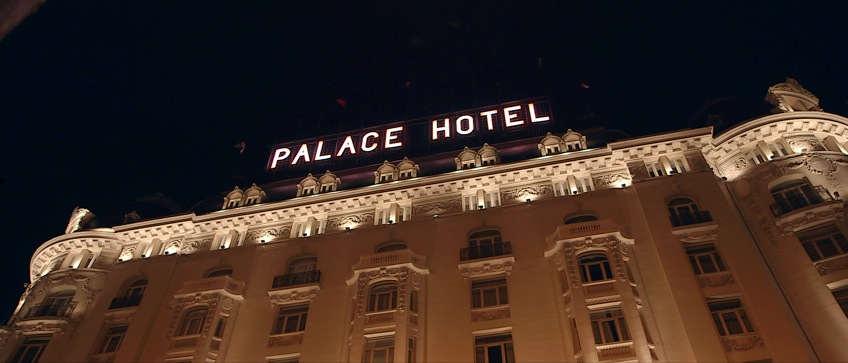
El desarrollo
In Operación Palace, Jordi Évole trama una historia sobre lo que pudo haber sido el 23F utilizando de punto de partida el insólito Oscar que en 1982 recibe el cineasta José Luis Garci por la película “Volver a empezar”, muy mal recibida por la crítica española pero galardonada en Estados Unidos a la mejor película de habla no inglesa.
Los periodistas Iñaki Gabilondo, que en aquel momento era el director de informativos de Televisión Española, Luis María Anson, al frente de la agencia EFE, y Fernando Ónega, director de los informativos de la Cadena Ser y guionista habitual de los discursos de Suárez. Diputados que ese día estaban en el Congreso y presenciaron lo que sucedió, como Felipe Alcaraz, Joseba Azkárraga o Alejandro Rojas Marcos; así como otros políticos destacados en el curso político del momento: Federico Mayor Zaragoza, Joaquín Leguina, Jorge Vestrynge e Iñaki Anasagasti. También Andreu Mayayo, catedrático de Historia Contemporánea de la Universitat de Barcelona, pone la guinda del contexto histórico. Y José Luis Garci participa en el documental como director de escena del golpe de Estado, consensuado entre los instigadores de la operación.
El documental busca dar una explicación al reconocimiento internacional de la película y de ahí surge el guión de Operación Palace: los grupos políticos que en ese momento intentan establecer las bases de la democracia española, ante la fragilidad del sistema y el ambiente convulso que se vive, deciden urdir un plan para falsear un golpe de Estado por el temor que se pueda producir uno de verdad. Le llaman Operación Palace y el director de escena es José Luis Garci.
Para sostener la sensación de realismo y credibilidad, uno de los rasgos distintivos del falso documental, Operación Palace cuenta con el testimonio de personas que vivieron en primera persona el golpe de Estado y que han sido muy vinculadas a este hecho histórico.
El mockumentary es un formato que exige tener delante de la pantalla a un espectador activo y crítico con lo que está viendo y el objetivo de este género es aprovechar el lenguaje documental para hacer una crítica irónica, en el caso de Operación Palace, sobre lo que fue el intento golpista del 23F.
Acceso al visionado de ‘Operación Palace’
Did you like this article?
Subscribe to our NEWSLETTER and you won't miss anything.
Related articles
 Clear-Com breaks records in motorsports: 28 hours of coverage at the Nürburgring
 The Eurovision Song Contest 2024 breaks new records online and online
 The All Stars edition of 'Drag Race Spain' breaks records: best premiere of the franchise in Atresplayer
 Toei Tokyo Studio virtual production studio breaks records in Japan with Brompton
 Rugby World Cup breaks streaming records
 La séptima edición de Conecta Fiction & Entertainment bate récords de asistencia con más de mil profesionales
 The premiere of 'Top Gun: Maverick' breaks all Paramount+ records
 ‘Eso que tú me das’, la última charla de Pau Donés con Jordi Évole, llega a los cines
 Jordi Évole makes history with the interview with Pope Francis that was followed by more than 4 million viewers
 ‘Salvados’ logra un nuevo éxito de audiencia con la entrevista de Jordi Évole a Puigdemont
 Piracy breaks records in Spain, seriously damaging the cultural and content industries
 'Eight Basque surnames' breaks historical records by growing 57% in its second weekend
13 TV breaks audience records during WYD
'Eight Basque surnames' breaks historical records by growing 57% in its second weekend
13 TV breaks audience records during WYD
 ISE 2011 breaks all records in terms of exhibition area and number of exhibitors