





Jerome Dolbert shoots with a RED Epic and Angenieux optics 'Peru's rainforests under threat'
Para la producción de este documental, el director contó con un equipo de cámara que en conjunto pesaba unos doce kilos compuesto por una RED Epic y dos Angénieux Optimo Style de 16-40 y 30-76.
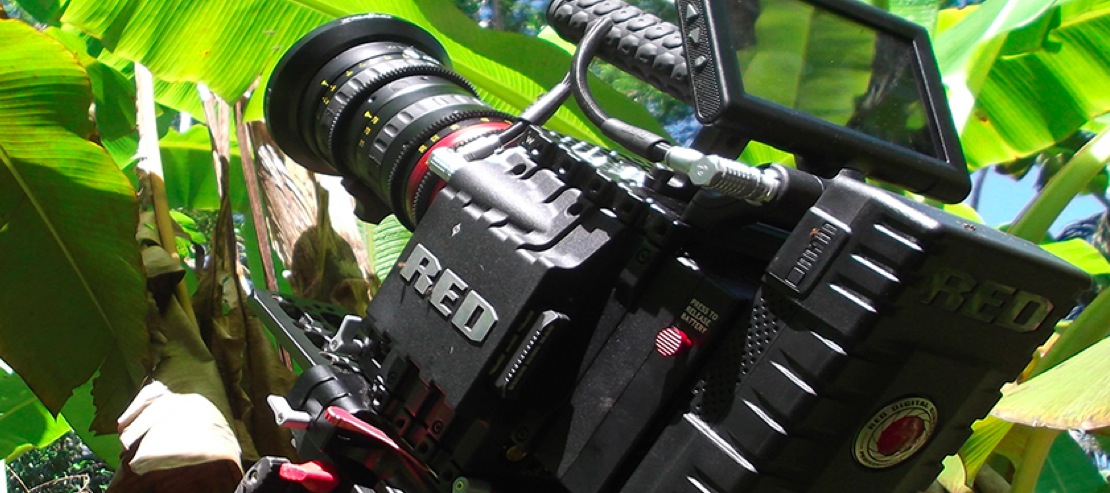
Jerome Dolbert contaba con un presupuesto limitado para llevar a cabo un documental sobre la deforestación en la selva tropical de Perú. A pesar de esta limitación, Jerome quería que las imágenes sean de primera calidad. Con la ayuda de 9 patrocinadores y mucha motivación Jerome fue capaz de lograr su objetivo y rodar durante 25 días de rodaje en la selva tropical. Para ello se trasladó 700 kilómetros a un lugar remoto en Perú en la Reserva Ecológica Taricaya en medio de la selva amazónica con 80 kg. en equipamiento.
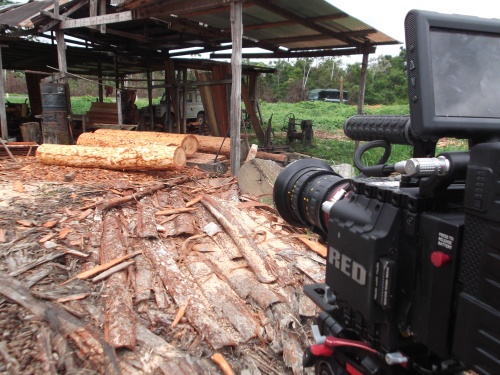 Dolbert recogió momento inéditos como unas imágenes en las que se observa una operación militar en la que 1.500 soldados entraron en La Pampa para destruir los equipos utilizados para la minería ilegal de oro. Aunque podía haber rodado con una mini-cámara para pasar desapercibido, finalmente optó por la RED Epic junto a lentes Angenieux Optimo Style.
El director contó con un equipo de cámara que en conjunto pesaba unos doce kilos compuesto por una RED Epic y dos Angénieux Optimo Style de 16-40 y 30-76 (que pesan menos de 2 kilos cada uno), un extensor de 2x y un trípode ligero (alrededor de 5 kg.). Los zooms Optimo Style son muy ligeros y compactos por lo que resultan ideales para este tipo de trabajo.
Si hubiera optado por utilizar objetivos prime hubiera necesitado varios para cubrir el mismo rango de distancias focales. “Las lentes Optimo Style ofrecen excelente calidad y me quedé impresionado por su nitidez, su facilidad para enmarcar el objeto y la forma rápida de intercambio. Las usé para rodar el paisaje devastado de La Pampa y las escaladas de los por los árboles. Tienen características de rendimiento notables y son tan fáciles de usar. Rodé en 5K con una compresión 3: 1. La cámara tenía una tarjeta de memoria de 512 GB, por lo que podría disparar un total de 30 minutos en cada una. He utilizado un disco duro de 8 TB para almacenar las filmaciones obteniendo un total de 15 horas de metraje”, ha asegurado Dolbert.
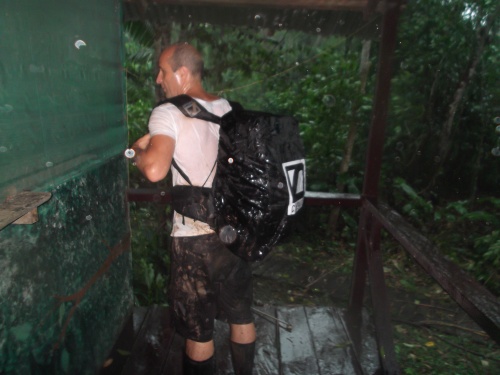 Pese a un ambiente hostil con un promedio de 37º y un 75% de humedad, las lentes funcionaron a la perfección. “Siempre las guardaba en mi bolso cuando no estaban en la cámara y no tuvimos ningún problema de condensación o humedad en el sistema óptico. Yo sólo tenía humedad en la pantalla LCD de la cámara. Contábamos sólo con dos horas de electricidad al día en el campamento, así que rodamos sobre todo con la luz natural. Teníamos que salir muy temprano por la mañana para ver los animales en la madrugada con una muy pequeña cantidad de luz disponible en ese momento del día. Trabajé en T: 2,8 y las lentes proporcionaban suficiente luz a la cámara”, destaca Dolbert.
Utilizó el extensor 30-76mm para grabar los monos en los árboles y la misma configuración óptica para capturar a los mineros de oro desde la distancia. En cambió utilizó principalmente el 16-40 para las escenas rodadas en La Pampa.
“Me gustó mucho la suavidad de los anillos de las lentes Optimo Style pudiendo adaptar fácilmente la exposición del sensor según cambian las condiciones meteorológicas. Usé la pantalla LCD de la cámara para ajustar la apertura de la lente”, comentó el director.
Did you like this article?
Subscribe to our NEWSLETTER and you won't miss anything.
Related articles
 Raúl Cimas films 'The Exact Coordinates' in Gran Canaria under the direction of Alejandro Millán
 Under Ulloa the psychological thriller 'El mal' is filmed
 Sandra Valde-Hansen shoots 'Plan B' with the Sony Venice and Zeiss Supreme optics
 EVS anuncia su decisión de retirarse de NAB 2020 debido a la amenaza del coronavirus
 After leaving UNESCO, the United States threatens to leave the ITU
 New European Audiovisual Directive: hope or threat?
 Samu Fuentes shoots his debut film 'Under the Skin of the Wolf'
 Angenieux lenses photographed the first images of the Moon in 1964
 Angénieux debuts its new Optimo 24-290 and 28-340 line at NAB
 Angénieux receives the 'Living Heritage' award from the French Government
 Angénieux Optimo 3D Ready Lens Package, everything ready to shoot in 3D
 Two new Angénieux Optimo zoom lenses
 ‘Blue Bloods’ de CBS, rodada con RED One MX y Angenieux
 Angénieux 19×7.3: a multipurpose lens for SD and HD