





VSNExplorer crea el concepto de MAM descentralizado para optimizar el trabajo colaborativo
Gracias a sus últimos desarrollos, los usuarios de VSNExplorer ahora pueden subir y descargar contenidos desde la nube, con transcodificación y la posibilidad de comenzar a editar los contenidos desde el mismo momento en que son transferidos.
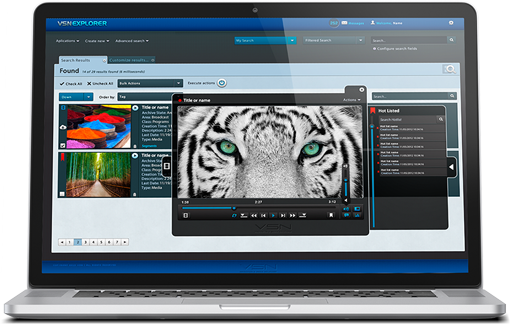 La plataforma para MAM de VSN, VSNExplorer, da un paso más planteando ahora un concepto descentralizado que promete optimizar el trabajo colaborativo.Los usuarios de VSNExplorer podrán ahora subir y descargar contenidos desde la nube, con transcodificación y la posibilidad de comenzar a editar los contenidos desde el mismo momento en que son transferidos.
Estas nuevas funcionalidades funcionan en almacenamientos distribuidos en la nube para incrementar la seguridad y la accesibilidad desde diversas localizaciones. De esta forma, se simplifica el proceso y se ahorra tiempo, lo que permite a los usuarios crear mejores contenidos.
Quienes visiten el stand de VSN en NAB 2015 (SL8006) podrán conocer estas nuevas funcionalidades que numerosas compañías está ya probando para ingestar una línea en vivo mientras diferentes terminales editan el proxy desde localizaciones remotas. Una vez los archivos están listos es posible con tan sólo un click compartirlos en las redes sociales, OTT o WebTV. VSN ha llevado a cabo estos últimos desarrollos para satisfacer las necesidades y desafíos que las compañías broadcast encuentran en su día a día.
Entre ellos, podemos encontrar workflows descentralizados para permitir el trabajo colaborativo desde diferentes lugares; protocolo UMP para aceleración de transferencias; descarga mientras se ingesta y mientras se transcodifica, para permitir que los archivos estén listos para ser editados en cualquier localización al inicio del proceso de ingesta; almacenamientos distribuidos para redundancia en el sistema; y acciones disponibles desde el MAM para distribuir contenido a cualquier pantalla desde cualquier localización
Así, una de estas funcionalidades que ya se están probando es la de poder catalogar e ingestar un evento en vivo en el MAM en tiempo real. Mientras esto pasa en un evento deportivo (por ejemplo, en un partido de fútbol), las televisiones pueden compartir en pocos segundos la repetición de un gol en las redes sociales, OTT y WebTV, en diferentes lenguas de forma casi instantánea.
La velocidad del sistema se incrementa gracias a UMP, el protocolo propio de VSN para la transferencia de contenidos, lo que permite crear de facto flujos de trabajo descentralizados que permiten a los usuarios trabajar remotamente en el mismo proyecto y aplicar tareas automatizadas para hacer el procesamiento de archivos de media más eficaz.
Did you like this article?
Subscribe to our NEWSLETTER and you won't miss anything.
Related articles
 Blackmagic cloud ecosystem allows RKM Studio to create a collaborative workflow for filming video clips
 Hangman Creates Collaborative Post-Production Flow with DaVinci for 'Life in Six Strings'
 NRK chooses Appear to optimize and modernize its mezzanine encoding for DVB and OTT distribution
 Terrible Producciones creates a sports streaming workflow with Blackmagic Design solutions
 Avid takes a leap forward in production speed and collaborative work with the update of its MediaCentral platform
 AIMS creates new working group focused on Pro AV market
 Avid brings the cloud, artificial intelligence and collaborative work to BIT Audiovisual
 VSNExplorer lleva el futuro del trabajo colaborativo audiovisual a BIT Experience 2015
 Avid improves collaborative work between the different RTVE headquarters
 VSNExplorer mostrará en CABSAT 2015 sus avanzadas prestaciones en entornos de trabajo colaborativo
 Alfa-Zulú makes the first collaborative documentary on collaborative consumption
 Christie e Ingevideo muestran las posibilidades del trabajo colaborativo con Brio
 El canal jordano Roya TV apuesta por VSNNews para optimizar su flujo de trabajo
 Primestream agiliza el trabajo colaborativo