





Terry Jones grades his latest film, 'Absolutely Anything', with DaVinci Resolve
The goal when grading this new British sci-fi comedy was to create a 35mm film-like look without using a single reference image, so the production would retain its unique character.
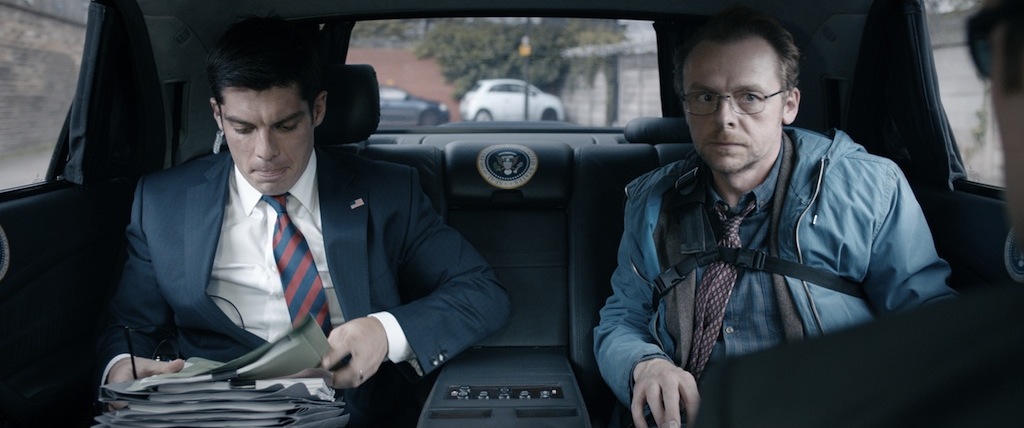
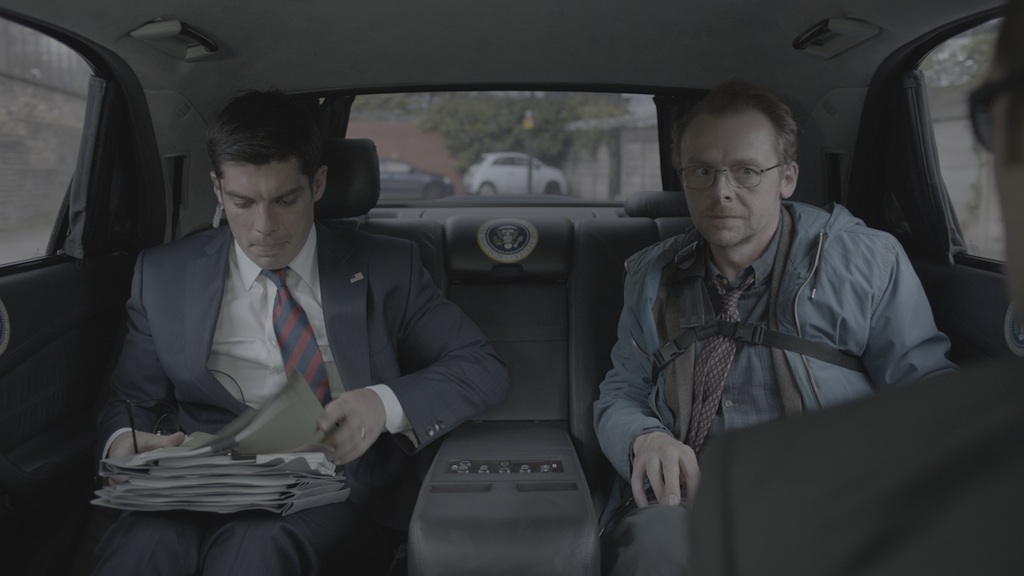
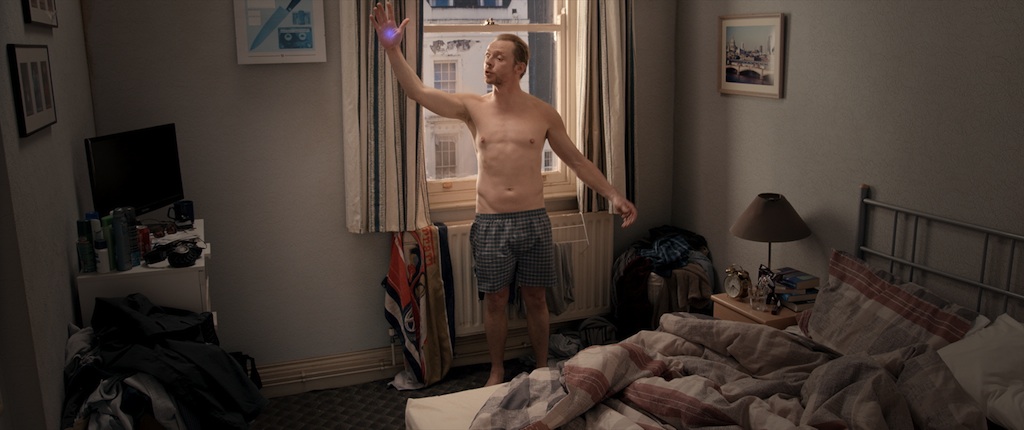
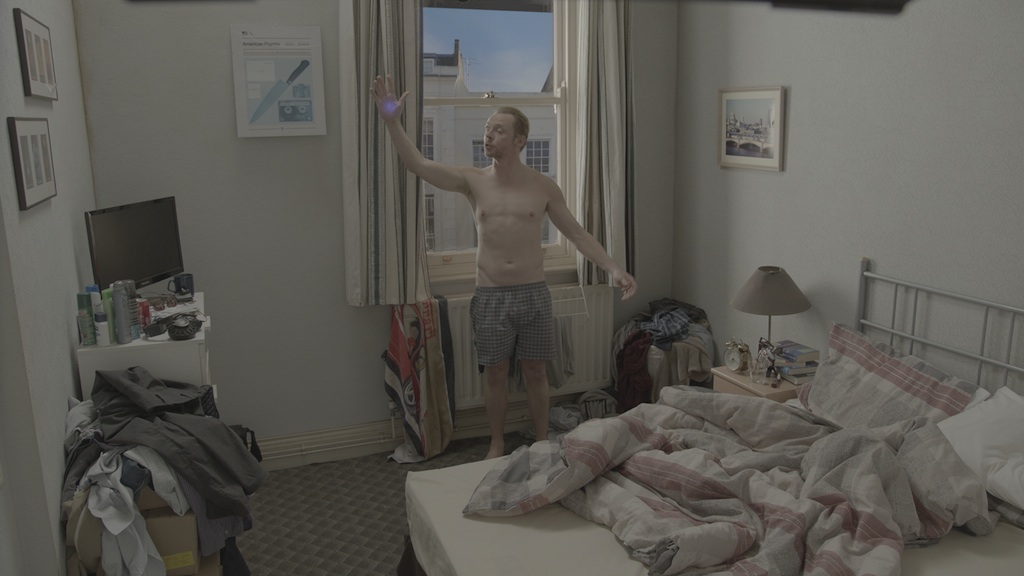
Given Valentic, founder and lead colorist of Mytherapy, has used DaVinci Resolve of Blackmagic Design grading the new British sci-fi comedy Absolutely anything starring Simon Pegg.
The feature film, directed by Terry Jones (Monty Python) and co-starring Kate Beckinsale and the late Robin Williams, focuses on the story of Neil, a frustrated schoolteacher who suddenly discovers that he has the ability to do anything thanks to the powers conferred by a group of aliens who observe him from space.
Valentic worked closely with filmmaker Peter Hannan to define the aesthetic of the feature film and was involved in pre-production for a considerable time before filming began.
"I grew up watching Monty Python and knew that this project would not be a conventional comedy, so I set myself the challenge of developing a particular look for the film that reflected this concept. We began to determine the look and style of the film using test material shot during the pre-production stage and, once principal photography was underway, we graded from the first to the last shot," says Valentic.
The goal was to create a 35mm film-like look without using a single reference image, so that the production would retain its unique character.
"We shot in ARRI RAW format with a full-frame sensor because we wanted to take advantage of all the pixels that the camera was capable of capturing in this type of file. We then cropped the images, panned and mastered in 2K resolution, since this was primarily a theatrical production," Valentic continued. "We all agreed that the realistic look the camera offers in REC 709 mode wouldn't work for this project. The images would look too digital and wouldn't be pleasant to work with. We decided to delve deeper into colorimetric emulation techniques and were able to create a much lighter, slightly diffuse color palette that would better fit the world we were creating."
"DaVinci Resolve Studio and its control surface are my favorite tools because they allow me to apply colorimetry principles through its unique nodal structure. Thanks to the versatility that the program offers, we were able to use it on the recording set and in the data lab, as well as in the mastering and final grading process. The work procedure was so simple and fluid that I can't imagine how we would have been able to finish the project without Resolve," he concludes.
Did you like this article?
Subscribe to our NEWSLETTER and you won't miss anything.
Related articles
 DaVinci Resolve Studio grades, mixes audio and creates the final version of 'Adam Bol'
 Imago VFX grades and creates visual depth of the film 'The Damned' with DaVinci Resolve Studio
 Jorge Molina grades '30 coins' by Álex de la Iglesia with DaVinci Resolve
 Takeshi Kitano grades 'Kubi', his latest historical drama, with DaVinci Resolve
 'The Worst Team in the World', Taika Waititi's latest film, graded with DaVinci Resolve
 Lamont McLeod edits and grades his language courses with DaVinci Resolve
 Thomas Engell grades the Oscar-nominated short film 'On my mind' with DaVinci Resolve
 Westworld takes on the Korean series 'Mine' with DaVinci Resolve Studio
 Vanessa Taylor etalona 'The Protégé' con DaVinci Resolve Studio (Blackmagic Design)
 DaVinci Resolve Studio benchmarks the new Indian film ‘Soorarai Pottru’
 Rob Grant films 'Alive' with Pocket Cinema Camera 4K and with DaVinci Resolve
 G. Balaji etalona 'AADAI' y 'Andhaghaaram' con DaVinci Resolve Studio
 Joe Finley grades ‘Game of Thrones’ with DaVinci Resolve Studio
 Monte Hellman grades his latest film in Infinia