





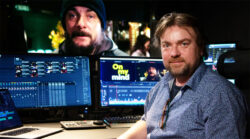
Thomas Engell grades the Oscar-nominated short film 'On my mind' with DaVinci Resolve
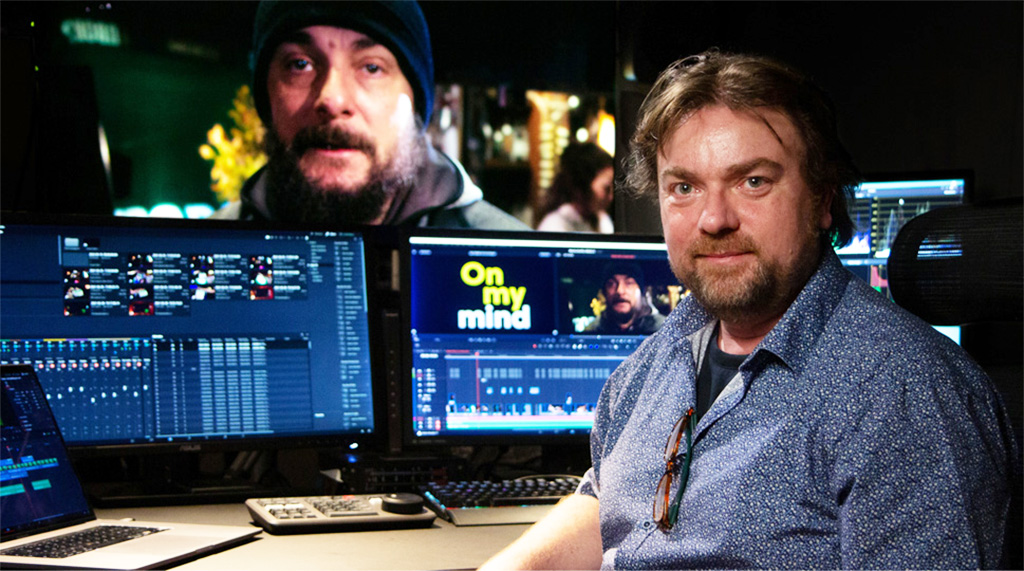
DaVinci Resolve Studio, software de Blackmagic Design, fue utilizado por el etalonador Thomas Engell para dar los toques finales a On my mind, cortometraje nominado en los Óscar 2022.
Directed by Martin Strange-Hansen, esta historia con un dejo amargo mezcla elementos de ficción con recuerdos y fue nominada al Óscar al mejor cortometraje. Con Ian Hansen como responsable de fotografía, la película fue producida por Thomas Engell, de la posproductora Sound of Sunrise, situada en Copenhague.
El presupuesto ajustado y las estrictas normas en torno a la Covid supusieron una reducción al mínimo del elenco y del equipo de filmación. Esta dinámica de trabajo básica requirió toda la experiencia de Engell como editor y sus conocimientos de efectos visuales, etalonaje y audio. Tal y como recuerda el etalonador: “En este proyecto, trabajé como un ermitaño, alejado de la producción y sin ningún asistente que me ayudara a editar, pero pude salir adelante gracias a la naturaleza multidisciplinaria de DaVinci Resolve y las herramientas que ofrece”.
On my mind fue rodada en formato RAW 4K, lo cual facilitó en gran medida el trabajo de corrección de color que Engell llevó a cabo. El etalonaje, realizado con DaVinci Resolve, se llevó a cabo en el sistema ACES para obtener versiones en formato P3 y Rec. 709.
 Exprimiendo DaVinci Resolve
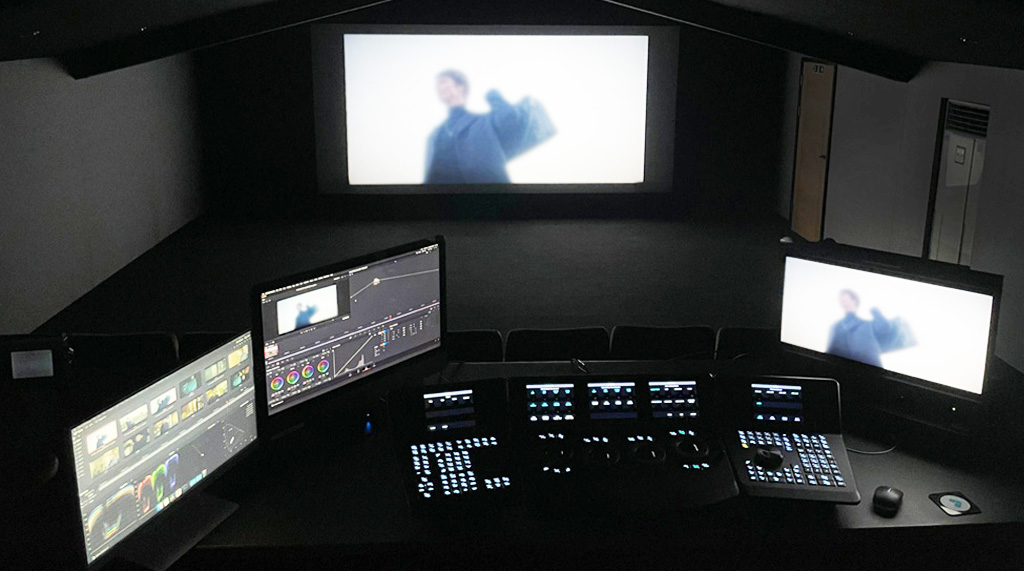
En ocasiones, para cumplir su objetivo, Engell decidió combinar varios planos, potenciando así la carga narrativa e interpretativa de la escena: “Mediante un proceso de clonación digital, pude combinar un plano de un actor con otra toma si me parecía que de esa manera lograba mejorar la historia o la interpretación. A veces, con tan solo alterar la duración de una secuencia un par de fotogramas, conseguí cambiar sutilmente la percepción de un personaje. Estas técnicas no son ninguna novedad, pero las herramientas OpenFX de Resolve facilitan dicha tarea”.
De igual forma, Engell se valió del color y la luz durante el proceso de etalonaje con DaVinci Resolve para mejorar la composición de las escenas: “Intentamos centrar la atención del espectador en los elementos importantes de la imagen. Para ello, apliqué máscaras y etiquetas en Fusion, añadí o quité luz al realizar ajustes cromáticos, y luego creé un mosaico sobre los rostros que iba cambiando con el movimiento, siempre y cuando todo esto tuviera sentido desde un punto de vista narrativo”, señaló.
Por otra parte, las herramientas avanzadas del módulo Color de DaVinci Resolve le permitieron a Engell solucionar inconvenientes menores, por ejemplo, limpiar las imágenes y eliminar objetos. Asimismo, recurrió a la función de seguimiento de planos que ofrece Fusion para sustituir fondos, mientras que los efectos de sala preliminares, el diseño de sonido y la edición del audio se llevaron a cabo en Fairlight: “Me gusta que las cosas fluyan. Ya sea al editar, etalonar o componer imágenes, la estrecha vinculación entre las distintas herramientas de DaVinci Resolve hace que contar historias sea mucho más rápido e intuitivo”.
https://youtu.be/JVnR-hmf0a4
Did you like this article?
Subscribe to our NEWSLETTER and you won't miss anything.
Related articles
 DaVinci Resolve Studio grades, mixes audio and creates the final version of 'Adam Bol'
 Imago VFX grades and creates visual depth of the film 'The Damned' with DaVinci Resolve Studio
 Jorge Molina grades '30 coins' by Álex de la Iglesia with DaVinci Resolve
 Takeshi Kitano grades 'Kubi', his latest historical drama, with DaVinci Resolve
 Lamont McLeod edits and grades his language courses with DaVinci Resolve
 Thomas Engell grades Oscar-nominated short film ‘On my mind’ with DaVinci Resolve
 Westworld takes on the Korean series 'Mine' with DaVinci Resolve Studio
 'The Windshield Wiper' by Spanish director Alberto Mielgo, nominated for an Oscar for best animated short film
 Vanessa Taylor etalona 'The Protégé' con DaVinci Resolve Studio (Blackmagic Design)
 DaVinci Resolve Studio benchmarks the new Indian film ‘Soorarai Pottru’
 Rob Grant filma ‘Alive’ con Pocket Cinema Camera 4K y etalona con DaVinci Resolve
 G. Balaji etalona ‘AADAI’ y ‘Andhaghaaram’ con DaVinci Resolve Studio
 Joe Finley grades ‘Game of Thrones’ with DaVinci Resolve Studio
 Terry Jones grades his latest film, 'Absolutely Anything', with DaVinci Resolve