





Vanessa Taylor etalona 'The Protégé' con DaVinci Resolve Studio (Blackmagic Design)
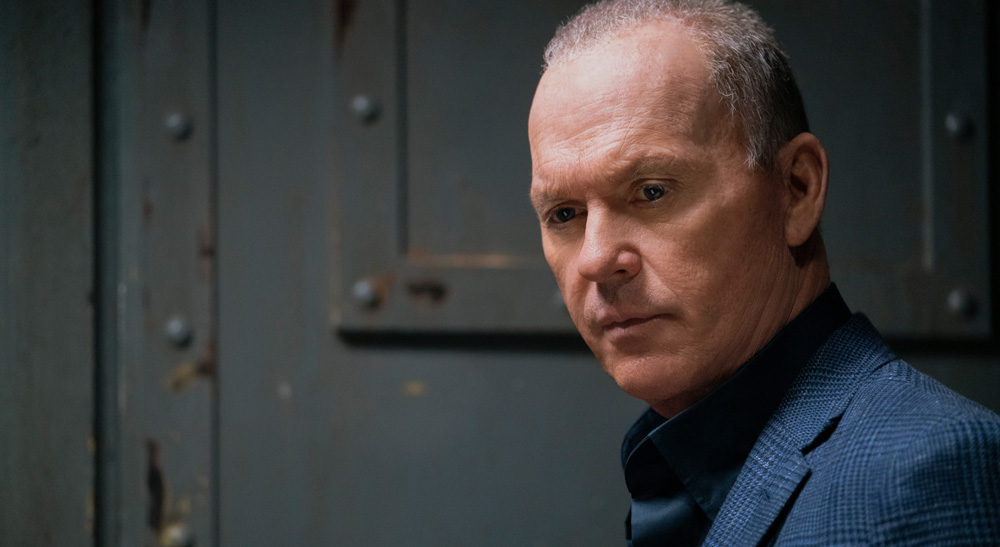
Martin Campbell's new thriller, The Protégé, has been graded by Vanessa Taylor using DaVinci Resolve Studio software. Blackmagic Design.
The film, starring Samuel L. Jackson, Michael Keaton and Maggie Q, tells the story of two hitmen who share a mysterious past. When her mentor Moody (Jackson) is murdered, Anna (Maggie Q) must form an uneasy alliance with Rembrandt (Keaton) and return to Vietnam to find the killer.
Photography was done by David Tattersall (The green mile), while Vanessa Taylor was responsible for grading. Of their collaboration, Taylor herself commented: "It was great working with Martin and David, two extraordinary creatives. They were in agreement about what they wanted to achieve, and that made grading easy." The process was carried out using DaVinci Resolve Studio.
Focusing attention
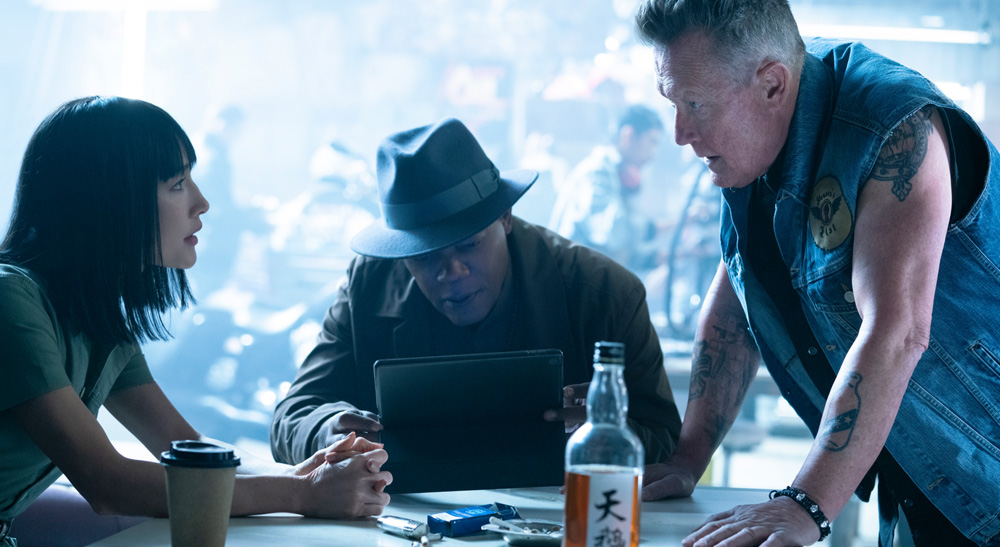
According to Taylor, one of the main goals was to guide viewers through the story, focusing on specific aspects fundamental to the development of the plot. "The focus is always on the brightest part of the image. By darkening or lightening certain areas, we channel the audience into the narrative," confirms Taylor. This methodology especially emerges in one scene: "We focused a lot on a motorcycle scene, featuring Maggie Q and Patrick. In this sequence, the camera focuses back and forth, capturing various color temperatures with the sensor. David and I worked closely to achieve the right balance, using a combination of curves and primary tools to achieve a match."
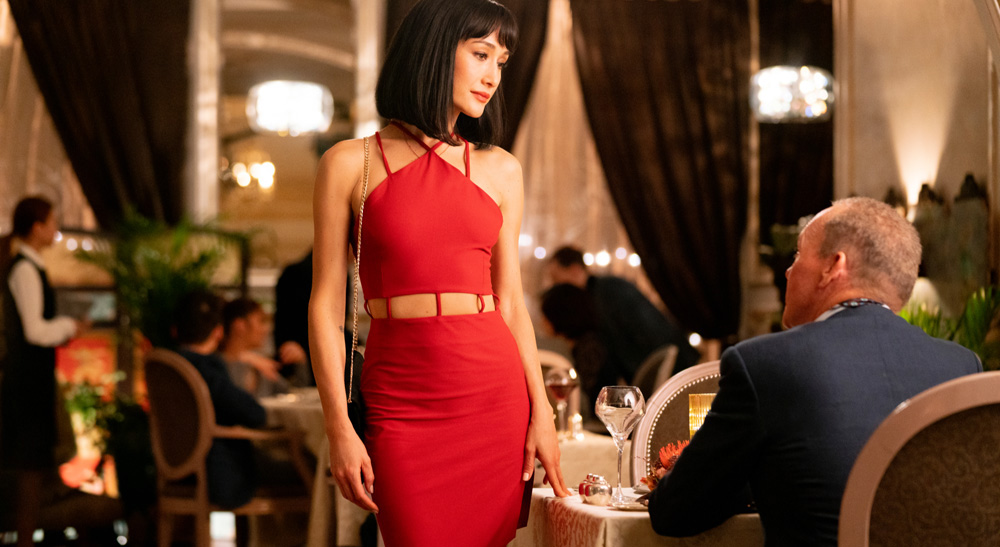
Otro reto fue otro momento del film que se desarrolla en un monasterio situado en una selva. Tal y como explica Taylor, era necesario equilibrar los tonos verdes para eliminar el reflejo en el rostro de Maggie Q: “Al ajustar el control de temperatura primario, el color del lápiz labial se resaltó. Esto ocurre con algunos cosméticos que contienen pigmentos fluorescentes. Las cámaras digitales los detectan, y los labios se ven muy luminosos. Tuve que emplear una máscara y alterar el color para llevar a cabo la corrección”.
Trabajando con LUTs
Una de las prestaciones de DaVinci Resolve que más convencen a Taylor es la posibilidad de utilizar tablas de conversión (LUT) y ver el resultado al instante: “Con las nuevas dinámicas del programa basadas en la gestión cromática, usamos muchísimo estas tablas. Poder aplicarlas a un clip y apreciar cómo afectan la imagen visualizada es sumamente útil”.
“La función principal del colorista es mejorar el aspecto del material grabado. Cuanto más nos apartamos de su estado natural, más digital resulta la apariencia. Lo que hacemos es algo complementario. Las imágenes más hermosas son las más fáciles de etalonar. David realizó un trabajo extraordinario al lograr captar el estilo y la emoción de esta historia, de modo que estoy muy satisfecha con el resultado. La película luce estupenda”, concluye Taylor.
https://youtu.be/9hcqVYCqGMg
Did you like this article?
Subscribe to our NEWSLETTER and you won't miss anything.
Related articles
 DaVinci Resolve Studio grades, mixes audio and creates the final version of 'Adam Bol'
 Imago VFX grades and creates visual depth of the film 'The Damned' with DaVinci Resolve Studio
 '1 For All' relies on Blackmagic Design and DaVinci Resolve cameras
 Westworld takes on the Korean series 'Mine' with DaVinci Resolve Studio
 The Green Knight was graded with DaVinci Resolve Studio (Blackmagic Design)
 ‘Gaey Wa’r’, graded with Blackmagic Design’s DaVinci Resolve Studio
'Gaey Wa'r', graded with Blackmagic Design's DaVinci Resolve Studio
‘Gaey Wa’r’, graded with Blackmagic Design’s DaVinci Resolve Studio
'Gaey Wa'r', graded with Blackmagic Design's DaVinci Resolve Studio
 Vanessa Taylor grades ‘The Protégé’ with DaVinci Resolve Studio (Blackmagic Design)
 Blackmagic Design updates DaVinci Resolve to version 17.3
 DaVinci Resolve Studio benchmarks the new Indian film ‘Soorarai Pottru’
 G. Balaji etalona 'AADAI' y 'Andhaghaaram' con DaVinci Resolve Studio
 Oscar winner Claudio Miranda trusts DaVinci Resolve Studio and DaVinci Resolve Mini Panel from Blackmagic
 Blackmagic Design announces availability of DaVinci Resolve 14
 Joe Finley grades ‘Game of Thrones’ with DaVinci Resolve Studio