





UTECA reflections on the television market for 2016
La Unión de Televisiones Comerciales (UTECA) pone sobre la mesa algunas reflexiones para este 2016 sobre la televisión, como centro de un sector audiovisual que mueve en España más de 5.500 millones de euros y es fuente de empleo directo e indirecto para casi 80.000 personas.
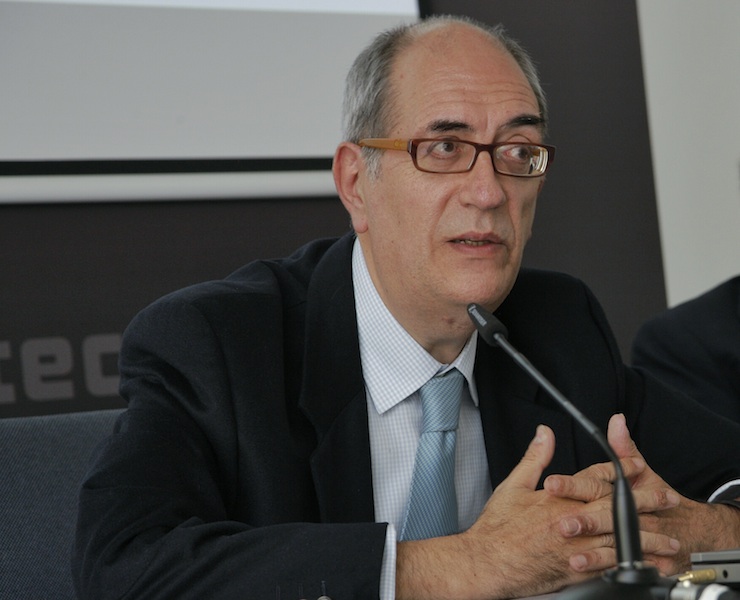
Con la llegada de 2016 la Unión de Televisiones Comerciales Asociadas (UTECA), el organismo que representa y defiende los intereses comunes de las televisiones comerciales en el ámbito nacional, comunitario e internacional, ha reflexionado sobre cuáles serían los Propósitos para el Año Nuevo que deberían alcanzarse en el sector audiovisual coincidiendo también con la constitución de una nueva legislatura.
Como recuerda Andrés Armas, director general de UTECA, “la televisión es el centro de un sector audiovisual que mueve en España más de 5.500 millones de euros y es fuente de empleo directo e indirecto para casi 80.000 personas”.
El próximo comienzo de una nueva legislatura ofrece al Legislativo y al nuevo Gobierno la oportunidad de afrontar de una forma racional, eficaz y beneficiosa para el interés general importantes retos para este sector. A juicio de 2016 la actual Ley General de Comunicación Audiovisual (LGCA) nació anticuada y se ha mostrado claramente insuficiente para garantizar la estabilidad jurídica de las televisiones. “Muestra de ello son el innecesariamente demorado proceso de liberación del Dividendo Digital y las vicisitudes jurídicas originadas por defectos normativos que llevaron al cierre de nueve canales de TDT y que pusieron en peligro otros ocho. Desde UTECA apostamos por una reforma de la LGCA que fortalezca el régimen de licencias, eliminando limitaciones innecesarias, y asegurando la reserva a los licenciatarios del espectro radioeléctrico necesario para ofrecer a los ciudadanos un servicio de televisión de alta calidad, con capacidad para abordar las evoluciones tecnológicas en el marco de una opción gratuita”, aseguran desde la patronal.
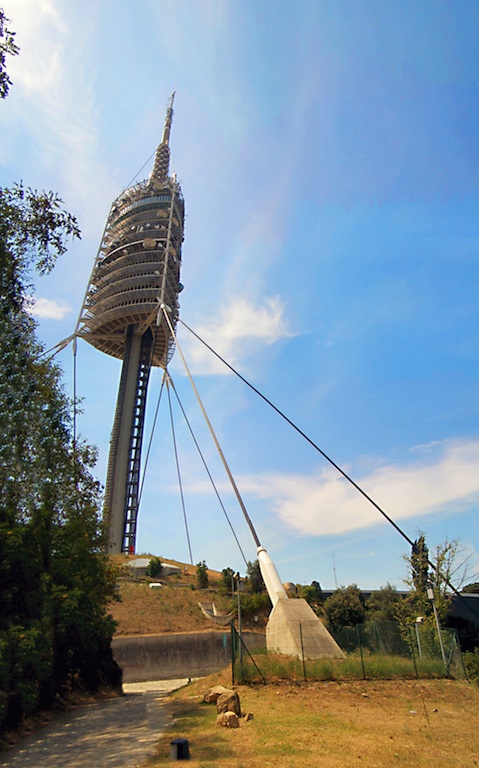 Planificación y gestión de espectro
Ante la posición de los operadores de telefonía móvil, que reclaman más espectro como factor clave, UTECA recuerda que distintos documentos de alcance europeo y global han identificado este dilema como falaz y argumentan que el valor social y económico de la TDT justifica sobradamente su mantenimiento y la viabilidad de una coexistencia ordenada con otras plataformas de distribución.
“Es por ello imprescindible la planificación a medio y largo plazo y la actuación coordinada y en estrecha colaboración público-privada en cualquier proceso de modificación de la actual asignación espectral”, afirma Andrés Armas.
Propiedad intelectual
La Ley de Protección Intelectual (LPI), recientemente revisada, ha estado estancada largo tiempo esperando determinadas normas de desarrollo.
Sin perjuicio de la aplicación urgente de las disposiciones más recientes, UTECA considera prioritaria una revisión general de la LPI, que la adapte a la realidad digital y ajuste los múltiples derechos reconocidos por la ley española a los países de nuestro entorno, sin los actuales excesos que implican dobles y hasta triples pagos por un mismo uso, así como la recaudación injustificada por las entidades de gestión de remuneraciones atribuidas pero no remuneradas a creadores extranjeros.
Plataformas audiovisuales
Las televisiones privadas con licencia de TDT están legalmente obligadas a una serie de compromisos singulares de relevancia económica. Con la irrupción de nuevos actores que compiten directamente con la TDT por audiencia, contenidos y mercado publicitario, parece más que razonable demandar una revisión crítica de las condiciones exigidas a esas plataformas alternativas.
UTECA sostiene que “no parece exagerado argumentar que la neutralidad tecnológica debe llevar aparejada la equidad en las obligaciones, tanto económicas como de funcionamiento, y por ello, es necesaria una reforma que prevea la igualdad de trato para todas las formas de distribución, sean abiertas o de pago, – porque el mercado de oferta de los contenidos audiovisuales es único, más allá de diferencias tecnológicas – considerando la incompatibilidad entre la financiación mediante publicidad con otras fuentes como presupuestos públicos o cuotas de suscripción”.
Audiovisual production
Desde hace más de quince años es obligatorio para las televisiones destinar un importante porcentaje de sus ingresos a la financiación del cine español. Esta norma, que no tiene carácter general en Europa, se encuentra cuestionada jurídicamente al haberse manifestado dudas sobre su constitucionalidad por el Tribunal Supremo.
A pesar de esta circunstancia legal, esta aportación ha contribuido en gran medida a la revalorización del cine español con la aportación en este largo periodo de cerca de dos mil millones de euros. No obstante, la actual norma limita en gran medida dicha contribución al limitar a las productoras de las televisiones la condición de tales relegándolas a una condición de meras financiadoras.
Según, UTECA, “esta anomalía hace urgente y necesaria una revisión de la Ley del Cine que otorgue a las televisiones un trato de equidad en obligaciones y derechos con las productoras cinematográficas integradas en grupos audiovisuales calificados como independientes”.
Televisión pública
En cuanto a la televisión pública, las privadas recuerdan que “3l sistema de financiación de RTVE instaurado en 2009 ha sido objeto de críticas desinformadas, que han imputado los problemas de la Corporación a la salida de TVE del mercado publicitario, obviando que el mayor recorte en sus ingresos se ha producido por la reducción recibida con cargo a los Presupuestos Generales. Sin olvidar que a pesar de esta merma de ingresos, la Corporación RTVE no ha abordado ningún proceso de reestructuración orientado a la adaptación a una situación general de austeridad derivada de la crisis económica, esfuerzo que ha sido clave en la viabilidad y sostenibilidad de los operadores privados”.
A juicio de UTECA “la eventual vuelta de la publicidad a TVE supondría no solo una distorsión del mercado publicitario, y el consiguiente daño a los operadores privados, sino también un perjuicio para la propia televisión pública, que con sus actuales niveles de audiencia, no llegaría a obtener por la venta de sus espacios publicitarios una cifra similar a la que ahora ingresa por las aportaciones de los operadores. Y es obvio que no tendría sentido un esquema de financiación en el que se produjese al tiempo la participación en el mercado publicitario y las aportaciones de los operadores”.
Did you like this article?
Subscribe to our NEWSLETTER and you won't miss anything.
Related articles
 Evertz bets on the RF over IP market for NAB 2023
 The 5GForum in Malaga, the largest meeting this year on 5G in Spain
 Mediapro enters the Eastern European market with the purchase of the production company VPK PRO
 Dive aims to transform the television market with two new products
 This is the television advertising market in Spain
 TAI, ASEDA and AISGE organize a conference on the legal challenges faced by the new television panorama
 Discontent in UTECA due to the Constitutional ruling on the obligation to allocate 5% to finance Spanish cinema
UTECA predicts a good year for DTT
Discontent in UTECA due to the Constitutional ruling on the obligation to allocate 5% to finance Spanish cinema
UTECA predicts a good year for DTT
 EMC anticipates the impact that the cloud will have in 2016
 Warner Bros. will release the first Bluray UHDTV HDR movies in 2016
 Digital pay TV market soars in Eastern Europe
 The television market is concentrated in a context of economic and advertising crisis
 Google buys SageTv and reinforces its commitment to the television market
 Reflections on the audiovisual future at the International Meeting of Filmmaker Trainers