





Ericsson celebrates 140 years of a history that goes from the mechanical workshop to 5G
Desde que Lars Magnus Ericsson fundara un pequeño taller de ingeniería en el centro de Estocolmo hasta nuestros días, las telecomunicaciones han vivido una revolución en la que la compañía sueca ha estado muy presente.
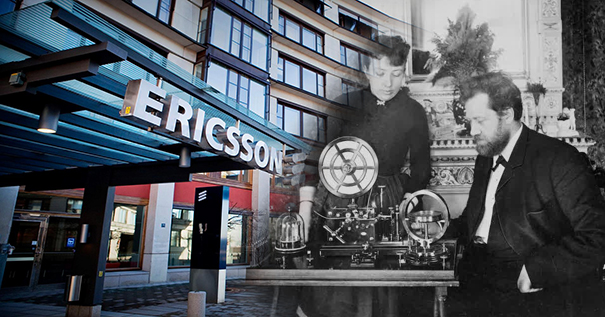
El 1 de abril de 1876, Lars Magnus Ericsson fundó su propia empresa, un taller de ingeniería mecánica, en un modesto lugar de 13 metros cuadrados en el centro de Estocolmo, donde Lars Magnus y sus socios empezaron a desarrollar sus propios teléfonos. Desde este pequeño espacio creció una compañía multinacional que emplea hoy a unas 115.000 personas, opera en 180 países y posee 39.000 patentes.
De vez en cuando aparece un punto de inflexión, un momento en el tiempo en el que todo cambia. La historia de Ericsson está llena de puntos de inflexión en los que hemos liderado la transformación al innovar y aplicar algunas de las tecnologías más potentes jamás
inventadas.
Cuando Lars Magnus Ericsson fundó Ericsson lo hacía el convencimiento de que la comunicación satisfacía una profunda necesidad humana. Como emprendedores innovadores apasionados por la tecnología, Lars Magnus y su mujer Hilda trabajaron juntos para establecer una compañía que se convertiría en líder mundial en sistemas y servicios de telecomunicaciones. En cinco años, la compañía ya estaba trabajando en diferentes continentes. Su innovación tecnológica también fue evolucionando y en 1923 Ericsson ya había desplegado la infraestructura que dio lugar a las redes telefónicas en crecimiento exponencial, el 500 switch.
Ya en la década de los 80 (1981), Ericsson lanzaba el primer Sistema de telefonía móvil, NMT (Nordic Mobile Telephony), en Arabia Saudí. NMT fue el primer sistema telefónico móvil totalmente automático y los estándares con los que se construyó allanaron el camino hacia el GSM y la tecnología de comunicación móvil moderna.
Cinco años más tarde, Ericsson en colaboración otras empresas desarrolló la primera generación de internet móvil llamada Mobitex. Se trataba de tecnología de Ericsson que permitía la primera comunicación de datos inalámbrica de doble vía. Mobitex fue la primera red inalámbrica en suministrar servicios siempre conectados e inalámbricos de correo electrónico, así como el primer servicio de comunicación de datos sin cables de acceso público en Norteamérica. Esto fue tan solo el principio de cada vez más información e imágenes enviadas a través del móvil.
Cuando Ericsson inventó el Bluetooth en 1994 y lo comercializó en 1998, los dispositivos de todo el mundo se liberaron. Llamado así por el rey danés “Blåtand” (Bluetooth, “diente azul”) Gormsson, esta tecnología inalámbrica se convirtió en la norma mundial para intercambio de datos en distancias cortas. Ericsson hizo posible este estándar y trabajó para hacerlo global.
Bluetooth hace posible que los teléfonos móviles se conecten con altavoces portátiles, dispositivos médicos y mucho más. La tecnología tenía eficiencia de coste y era sólida y capaz de transmitir datos rápidamente con una mínima capacidad de la batería, una característica fundamental.
Y la tecnología no solo permitía conectarse varios dispositivos a la vez, sino que además podían conectarse entre ellos sin necesidad de teléfonos móviles. En 2013 se vendieron más de 2.500 millones de productos con tecnología Bluetooth. Los dispositivos admiten potentes combinaciones aplicables a los sectores industrial, científico y médico, no solo entretenimiento. Bluetooth se está convirtiendo en el estándar para el Internet de las Cosas y comunicación machine-to-machine, avances en la industria y la sociedad que están transformando nuestra forma de vivir y que suponen mucho más para todos que simplemente vivir sin cables.

Llega el LTE
2009 marca el despegue del estándar 4G. Mucho antes de que el smartphone estuviera por todas partes, Ericsson ayudó a crear el estándar de la comunicación 4G. No solo información, sino también algunas de las experiencias más interactivas e importantes podían finalmente moverse por el mundo a velocidades impresionantes, haciendo posible una experiencia vital más rica allí dondequiera que estés.
Ericsson colaboró con otros innovadores para crear la norma LTE y lanzaron la primera red LTE en directo del mundo que, con tecnología más sencilla y menor coste, ofrecía velocidades mayores y más capacidad para que cualquiera pudiera tener más rápidamente esa rica experiencia que deseaba. Mientras los operadores de todo el mundo eran capaces de suministrar más velozmente la nueva generación de tecnología de las comunicaciones, la gente tenía en sus manos la manera de conectarse con el mundo, haciéndolo todo, desde videoconferencias a juegos, televisión móvil de alta definición o cloud computing, televisión en 3D o un uso intenso de las aplicaciones.
El futuro
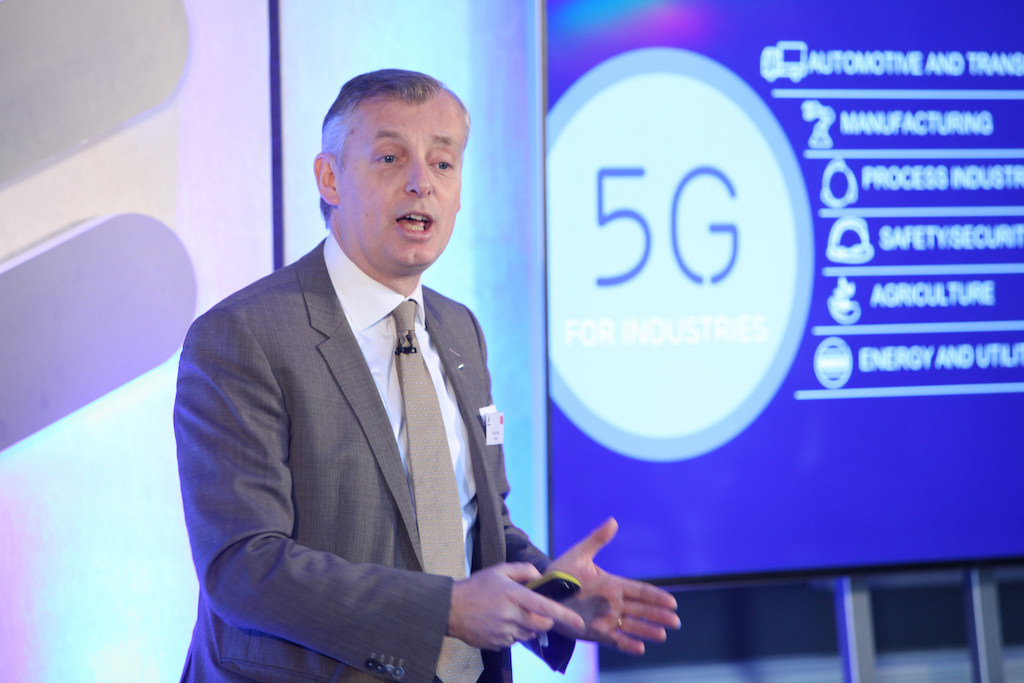
Ericsson está liderando el desarrollo de tecnologías 5G junto con sus socios y operadores principales en todo el mundo. Al igual que otras evoluciones a la siguiente generación, 5G conllevará un rendimiento muy superior. Esto significa una flexibilidad enorme, menores requisitos de energía, mayor capacidad, banda ancha, seguridad, fiabilidad y latencia y coste de dispositivos mucho menores. El pleno potencial de la Sociedad Conectada se hará realidad cuando 5G se despliegue mundialmente creando oportunidades para casos de uso que ni siquiera hemos soñado, nuevos mercados y modelos de negocio radicalmente nuevos, muchos con aplicaciones IoT.
Ericsson está apostando fuerte por convertir el 5G en el nuevo estándar global de tecnología de las comunicaciones. Con 5G tendremos la posibilidad de descargar una película en alta definición en segundos, hacer cirugía en remoto o alargar en más de diez años la duración de la batería en dispositivos móviles.
Did you like this article?
Subscribe to our NEWSLETTER and you won't miss anything.
Related articles
 Audio-Technica cumple 60 años desde su fundación por Hideo Matsushita
 Historia celebrates twenty years of broadcast in Spain
 The Television Academy celebrates twenty years of history
 Vantec turns 25 years old
 Animayo celebrates its first decade making history
 The Lavinia group turns 20 years old
 Godzilla turns 60
 Orad turns twenty years old
 Audiovisual Panorama turns two years old
 RNE celebrates 75 years in top form
 Maxon turns 25
 Radio Galega turns 25 years old
 Photoshop turns 20 today
 DVS turns 25 years old