





Are RGB laser projectors safe?
Cada día más salas de cine están optando por la proyección basada en láser. Sin embargo, surge la duda sobre la seguridad de estos sistemas. Marcos Fernández, director de Christie para España y Portugal, defiende en esta Tribuna que la luz que se genera en un proyector láser no entraña un riesgo superior al haz que producen los equipos que funcionan a base de lámparas.
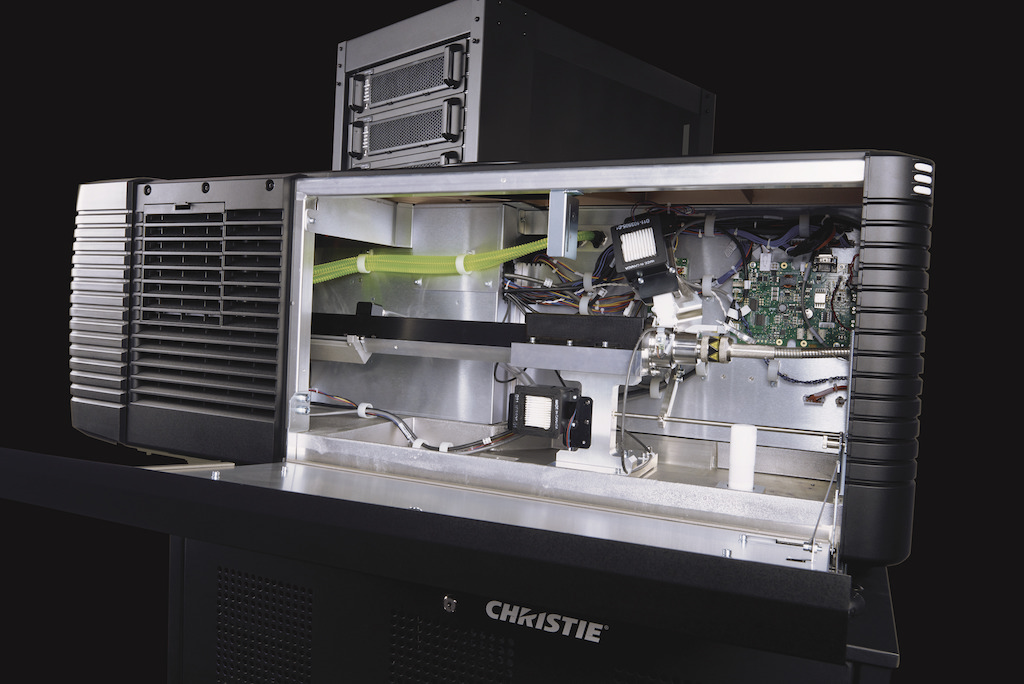
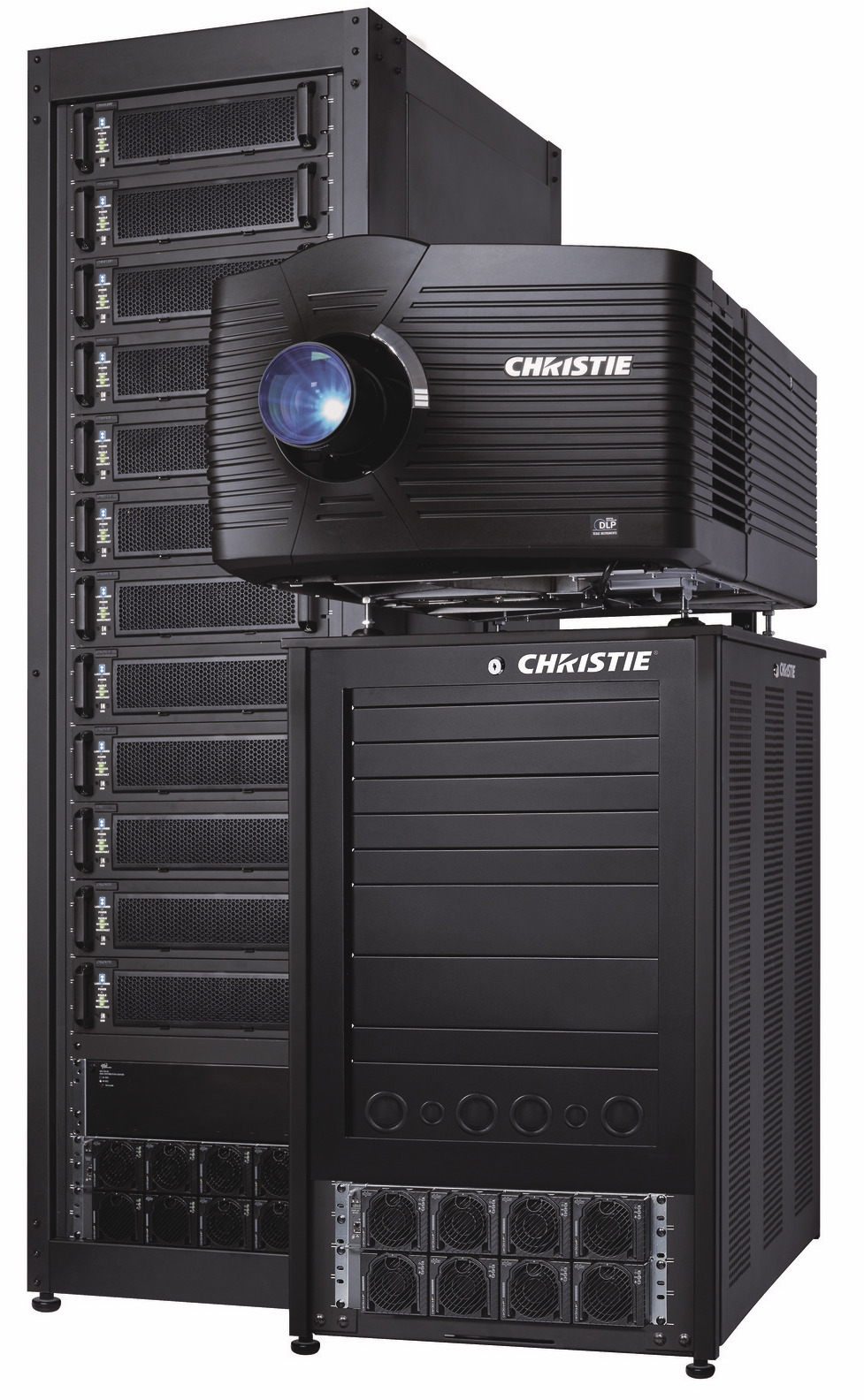
La simple mención del láser evoca en nosotros imágenes propias de la ciencia ficción, de armas de gran potencia capaces de eliminar planetas enteros. Sin embargo, en sus configuraciones más recientes, el láser se emplea en dispositivos que, más que encarnarse en aquellas fuerzas destructoras imaginadas por la cultura popular, lo hacen en versiones de baja potencia habitualmente utilizadas en tecnologías tales como reproductores DVD, dispositivos médicos o punteros para presentaciones. Es más: cuando se utilizan en un proyector de luz láser RGB (LIP), la luz que se genera no entraña un riesgo superior al de la luz que producen proyectores equivalentes que funcionan a base de lámparas.
 ¿Cuándo pueden resultar peligrosos los rayos láser?
Ciertos tipos de láseres, como los de los proyectores de tipo LIP, generan unos haces estrechos y muy intensos de luz colimada. Ese rayo puro de luz láser puede resultar dañino para las personas si apunta directamente a los ojos o, en ocasiones, a la piel. Sin embargo, a pesar de esos riesgos potenciales, la IEC, una organización internacional que fija los estándares de los rayos láser, cambió recientemente la clasificación de los proyectores LIP de estándar de láser a estándar de lámpara. A pesar de ello, en los Estados Unidos el uso del láser continúa siendo competencia de la FDA (Agencia de Alimentos y Medicamentos), que en la actualidad exige una varianza especial o permiso cada vez que se emplea un proyector de tipo LIP.
Cómo hacer seguro el láser
En 2014, Christie se convirtió en el primer fabricante en obtener una varianza de la FDA que le capacita para vender e instalar legalmente proyectores LIP al cumplir todo un conjunto de normativas de seguridad. Christie logró esa distinción tras incorporar varias medidas de seguridad a sus sistemas de proyección láser 3-Primary (3P) y 6-Primary (6P).
Camino óptico
La luz láser pura generada por los proyectores láser de Christie atraviesa toda una serie de elementos ópticos que distribuyen uniformemente la energía por una amplia zona. Cuando la luz láser entra en la cabeza de la proyección ha dejado de ser una luz colimada, por lo que no emite ya los peligrosos niveles de energía propios de la luz del rayo láser.
Bucle de bloqueo de fibra (Fiber interlock loop)
Entre otras medidas de protección se incluye un bucle de bloqueo de fibra patentado, que inutiliza la producción de luz láser cuando se abre el panel de acceso protegiendo al usuario de cualquier exposición accidental. La cabeza de proyección envía asimismo una señal a través del enlace de fibra hacia la fuente de luz. La no recepción de esa señal indicará la existencia de un problema, por lo que los láseres no se encenderán.
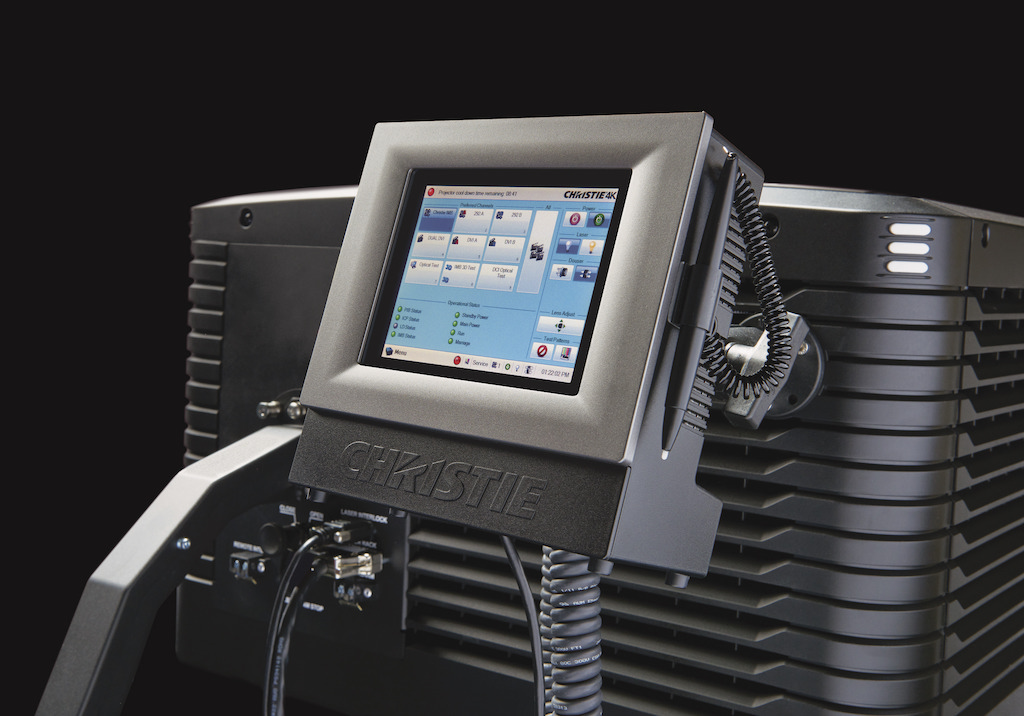
Seguridad incorporada al diseño
En un proyector de tipo LIP la ocasión más probable de exposición a la luz láser pura tendría lugar durante su reparación o mantenimiento. Para evitarlo, el proyector de láser se ha diseñado de modo que la luz de todas las zonas de servicio se mantenga en niveles seguros.
Hay también un mecanismo de detención de haz luminoso, una raqueta física que bloquea e impide la activación de las fuentes de luz láser cuando el proyector está siendo sometido a mantenimiento o reparación. Pero además, si algo interfiere en el haz de luz en la cabeza de proyección, el sistema automáticamente se apagará.
La meta de esos aspectos de seguridad es la de minimizar el riesgo de exposición en casos de prácticas o funcionamiento no seguros de los proyectores de tipo LIP. Como en todos los sistemas de proyección de alto brillo, en todo momento deben observarse las medidas de seguridad habituales.
Reflexiones finales
El mismo factor que hace que los rayos láser sean potencialmente peligrosos (la concentración intensa de energía luminosa) es también el que los habilita para generar unos niveles de brillo nunca antes vistos.
A pesar de que las fuentes de láser presentan individualmente riesgos para la seguridad cuando se usan indebidamente, al emplearse en un proyector de tipo LIP dotado de medidas de seguridad como las desplegadas en los sistemas de proyección RGB láser de Christie, los riesgos asociados a la luz pura de láser quedan drásticamente reducidos.
Marcos Fernandez
Director of Christie para España y Portugal
Did you like this article?
Subscribe to our NEWSLETTER and you won't miss anything.
Related articles
 Helios: complete renovation with Christie laser projectors and servers
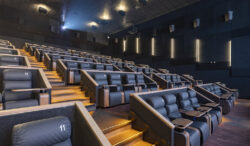 Multiplexes inaugurate two cinema complexes equipped with Christie laser projectors
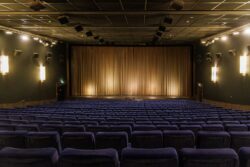 Cinecittà Germany invests in Christie RGB pure laser projectors
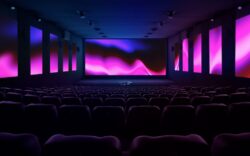 CGR Cinémas (France) incorporates a hundred Christie RGB pure laser projectors
 LED video walls and laser projectors, great attractions at the Christie stand at ISE 2024
 24 Major Cineplex multiplexes begin era with Christie RGB laser projectors
 Christie launches the M 4K15 RGB and the M 4K+15 RGB, new laser projectors
 Christie RGB pure laser projectors and CounterAct solutions arrive at CineEurope
 Christie's pure laser RGB projectors arrive for the first time at the Cannes Film Festival
 Cinépolis installs Christie RGB pure laser projectors
 Cineworld Group acquires more than a thousand Christie pure laser RGB projectors
 Christie DS: small, bright, energy-efficient 3LCD laser projectors
 Christie Debuts Crimson Series of Laser Phosphor 3DLP Projectors
 Christie expands its range of laser phosphor projectors with the new CP2208-LP