





The new Hispasat 36W-1 is already in space
Lanzado a bordo de un cohete Soyuz desde la Guayana Francesa el nuevo satélite de la flota de Hispasat incorpora la innovadora carga útil regenerativa RedSAT, que permitirá utilizar de manera más ágil y eficiente la potencia del satélite.
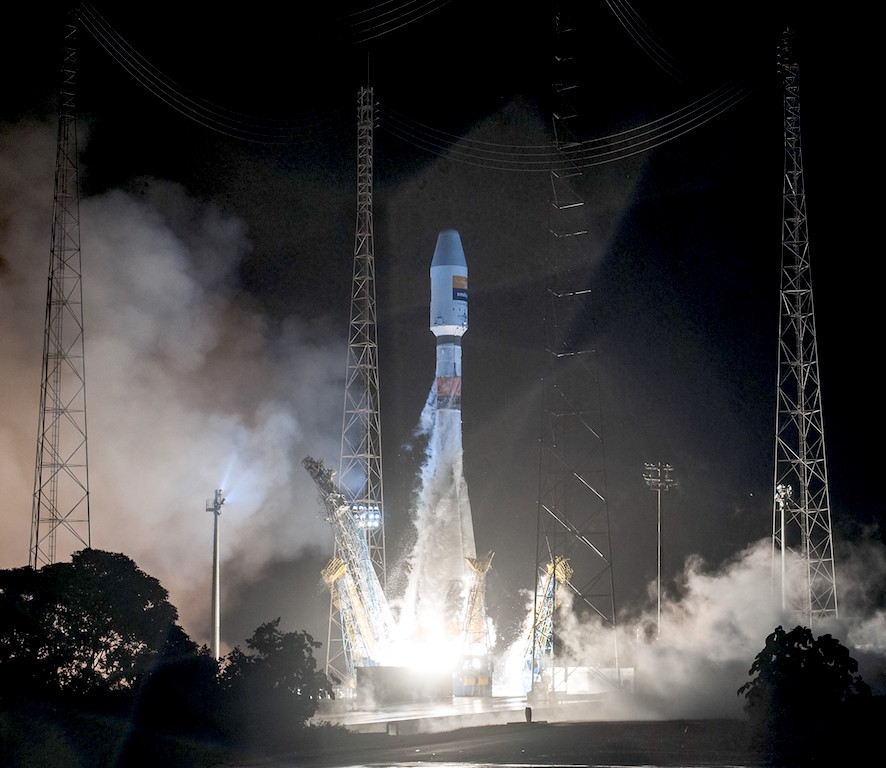
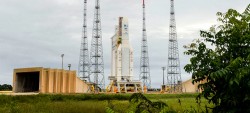
Hispasat ha lanzado este fin de semana con éxito su décimo satélite, el 36W-1 (H36W-1), desde el Puerto Espacial Europeo de Kourou (Guayana Francesa), a bordo del vehículo lanzador Soyuz de la compañía Arianespace.
Aproximadamente 32 minutos después del despegue del cohete se produjo la separación del satélite H36W-1 del vehículo lanzador, y se procedió a su inicialización y al despliegue de los paneles solares. A partir de ahí, comenzaron las maniobras para posicionar el nuevo satélite en el punto de la órbita geoestacionaria donde se llevará a cabo la fase de pruebas para comprobar su correcto funcionamiento, que durará varias semanas.
Carlos Espinós, consejero delegado del operador de satélites, afirmó que “para Hispasat, este nuevo satélite supone un paso importante en nuestra estrategia de innovación. El Hispasat 36W-1 no sólo constituye la primera misión de la nueva plataforma SmallGEO, sino que incorpora también una avanzada carga útil regenerativa que, gracias a su antena reconfigurable y a su procesador de a bordo, dotará al satélite de una mayor flexibilidad y calidad de señal, mejorando así los servicios de telecomunicaciones que prestará a nuestros clientes. Estamos muy satisfechos de esta colaboración con la ESA, que nos ha permitido participar en un proyecto tecnológicamente puntero, al que han aportado un gran valor añadido con su conocimiento y experiencia en el ámbito espacial”.
El nuevo satélite tendrá cobertura en Sudamérica y Europa, incluidas las Islas Canarias. Con una vida útil de 15 años, ofrecerá servicios de contribución de vídeo y backhaul celular, así como soluciones empresariales y de banda ancha. Cuenta con 20 transpondedores en banda Ku y capacidad adicional de hasta 3 transpondedores en banda Ka y tiene una masa de lanzamiento de 3.200 kilos.
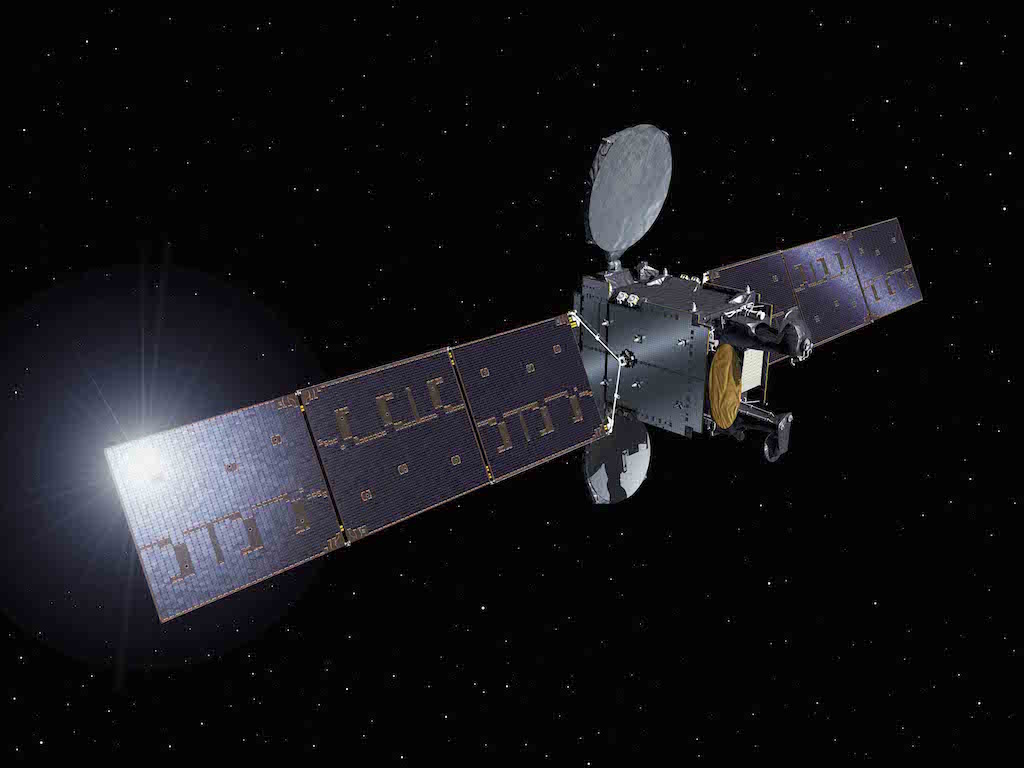
Plataforma SmallGEO
El satélite H36W-1, construido por la empresa alemana OHB System AG, constituye la primera misión de la nueva plataforma SmallGEO, desarrollada por el fabricante alemán junto con la Agencia Espacial Europea e Hispasat. Esta plataforma permite una sustancial reducción en masa del satélite gracias al uso de propulsión eléctrica durante toda su vida útil.
Además, el H36W-1 embarca una avanzada carga útil regenerativa, RedSAT, compuesta por una novedosa antena activa de haces reconfigurables que, junto con el procesador de a bordo, mejora la eficiencia y las prestaciones del satélite. La antena puede controlarse electrónicamente desde Tierra y reorientarse en cualquier momento de la vida del satélite, dotándole de flexibilidad para adaptar en órbita sus coberturas a cambios que se puedan producir en la misión después del lanzamiento.
El procesador de a bordo es un paso más en la evolución de los satélites, que puede simplificar considerablemente la arquitectura de la red al realizar en el espacio parte del procesado que habitualmente se realiza en Tierra. Puede procesar hasta cuatro transpondedores de 36 MHz de forma simultánea, corrigiendo las posibles degradaciones de la señal y transmitiéndola sin errores, lo que se traduce en un sistema de comunicaciones más robusto y de mayor calidad que permite la recepción con antenas de pequeño diámetro.
El proyecto, con una inversión de más de 240 millones de euros, ha contado con financiación del CDTI y con una importante participación de empresas españolas como Airbus Defense and Space España, Arquimea, Celis, Crisa,Expace, GMV, Iberespacio, Indra, Tecnobit (Grupo Oesía), Thales Alenia Space España o Tryo Aerospace.
https://www.youtube.com/watch?v=vaANo_riyPQ
Did you like this article?
Subscribe to our NEWSLETTER and you won't miss anything.
Related articles
 Cinetools begins its stage by inaugurating a new space in Madrid
 IBC 2024 will grow in space with a new pavilion
 Amazonas Nexus, Hispasat's new high-performance geostationary satellite, is now operational
 RAI creates a new surround and 5.1 mixing space with Genelec The Ones
 The Hispasat 30W-6 satellite, once again ready for launch
 Estructure proposes to explore its catalog of solutions through its new web space
 Hispasat's Amazonas 5 is already in space
 The Hispasat 36W-1 is already at the Kourou launch base
 The most powerful television satellite ever built in Europe is already in space
 SSL will build the new Hispasat 1F satellite
 Hispasat launches its tenth satellite into space
 New Canon space in El Corte Inglés for professional users
 Ovide participates in 'Palomitas', a new humor space at El Terrat
 The new Astra 3B, successful in space