





Hispasat's Amazonas 5 is already in space
Lanzado a bordo de un cohete Proton Breeze M desde Baikonur, el nuevo satélite que ocupará la posición orbital de 61º Oeste proveerá una amplia gama de servicios de telecomunicaciones al mercado latinoamericano.
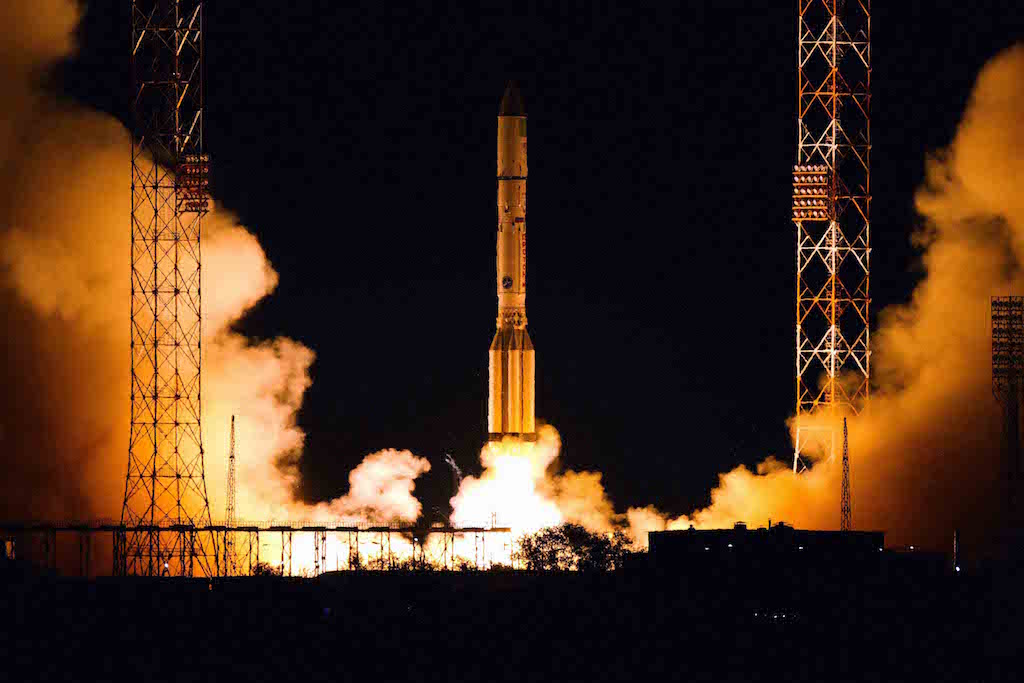
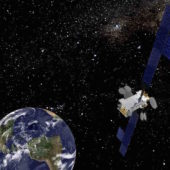
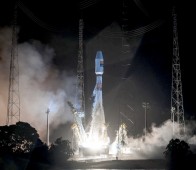
Hispasat, el operador español de satélites de telecomunicaciones, ha lanzado con éxito, a las 21:23 de anoche, hora española, su undécimo satélite, el Amazonas 5, desde el cosmódromo de Baikonur en Kazajstán, a bordo del vehículo lanzador Proton Breeze M de la compañía International Launch Services (ILS).
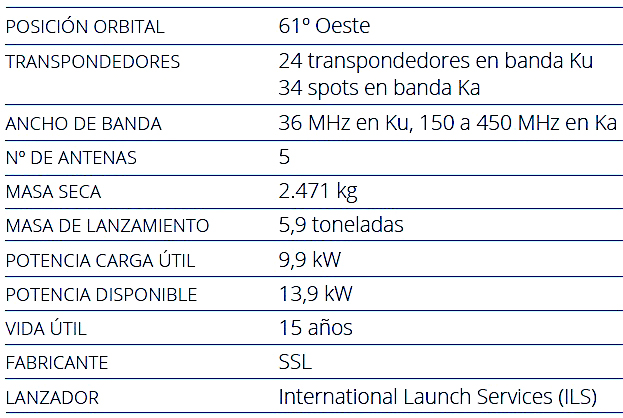
Aproximadamente 9 horas y 12 minutos después del despegue del cohete se produjo la separación del satélite Amazonas 5 del vehículo lanzador, y se procedió a su inicialización y al despliegue de los paneles solares. A partir de ahí, comenzaron las maniobras para posicionar el nuevo satélite en el punto de la órbita geoestacionaria donde se llevará a cabo la fase de pruebas para comprobar su correcto funcionamiento, que durará varias semanas. Una vez superadas las pruebas, el satélite se ubicará en su posición orbital definitiva de 61º Oeste. El satélite será operado por la filial brasileña de la compañía, Hispamar.
El lanzamiento del Amazonas 5 se ha realizado el mismo día en que, hace 25 años, la compañía lanzara, desde la Guayana Francesa, el primer satélite español de telecomunicaciones al espacio, el Hispasat 30W-1 (Hispasat 1A), que también fue puesto en órbita un 11 de septiembre.
Carlos Espinós, consejero delegado del operador español, afirmó que “para HISPASAT, este nuevo satélite supone la reafirmación de la vocación internacional de la compañía y, en concreto, de nuestra apuesta por el mercado latinoamericano. Llevamos muchos años trabajando en esta región y hemos adquirido una gran experiencia y un amplio conocimiento de las necesidades de los clientes en estos países. Por ello hemos diseñado un satélite totalmente dedicado a América Latina y adaptado a las demandas de este mercado, tanto para el sector audiovisual como para ofrecer soluciones de conectividad en los segmentos residencial, corporativo y de movilidad”.
El Amazonas 5 está basado en la plataforma 1300 de Space Systems Loral (SSL) y tiene una potencia de 9,9 kilovatios y una vida útil estimada de 15 años. La flexibilidad que ofrece Amazonas 5 y su gran capacidad tecnológica le permiten ofrecer una amplia gama de servicios de comunicación.
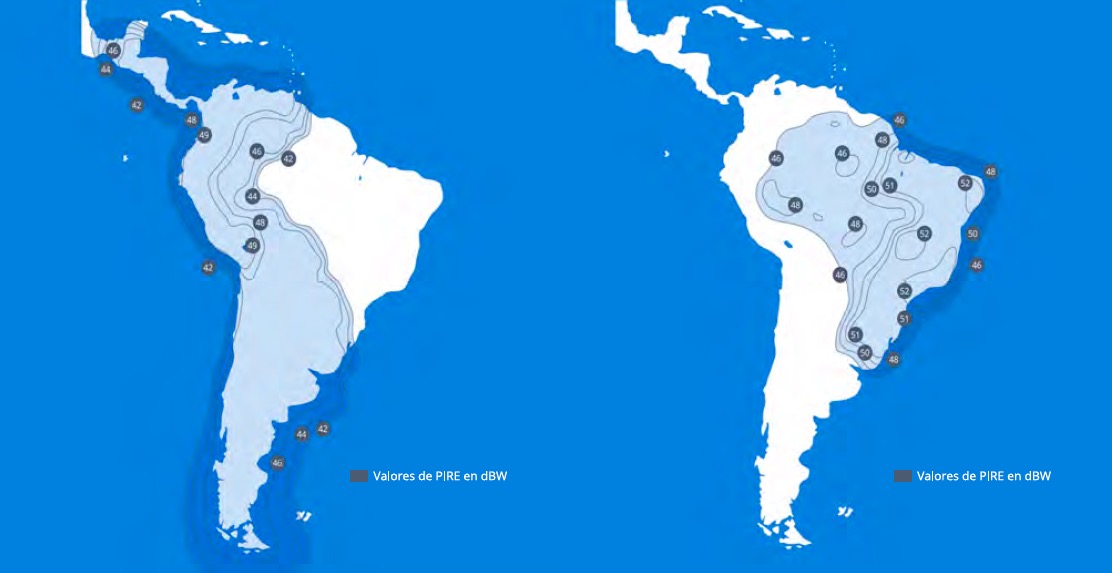
Sus 24 transpondedores en banda Ku, con cobertura sobre Centro y Sudamérica, proporcionan servicios de televisión directa al hogar (DTH) de altas prestaciones. El Amazonas 5 permitirá a los proveedores de servicios de televisión que operan con Hispasat transmitir 500 nuevos canales, lo que consolidará 61º Oeste como la posición líder en difusión de estos servicios en América Latina. Este satélite será clave, también, para impulsar la TV en 4K en la región.
También ha embarcado 34 haces en banda Ka para proporcionar servicios de conectividad a más de medio millón de personas en varios de los principales países de América Central y del Sur. Además, el Amazonas 5 ofrecerá a los operadores de la región un acceso a Internet vía satélite eficiente y competitivo, así como servicios de transporte o backhaul para desplegar sus redes celulares 3G y LTE, e incluso 5G.
Este nuevo satélite sido diseñado, fabricado y probado en las instalaciones de SSL en Palo Alto, California (EEUU). En su fabricación ha participado una importante representación de la industria española: como Thales Alenia Space España, Airbus Defense & Space, Tryo, DAS Photonic, Iberespacio, GMV e Indra.
Innovation
Hispasat, fiel a su vocación innovadora y al apoyo que presta a la industria española, ha embarcado en el Amazonas 5, en pruebas, una carga totalmente experimental desarrollada por DAS Photonics. Se trata de un distribuidor óptico de radiofrecuencia, prototipo de un sistema que puede ser importante especialmente en los satélites que llevan banda Ka ya que, al ser misiones multihaz, requieren un número muy alto de receptores.
Con este novedoso elemento se reduciría mucho la complejidad en la sección de entrada del satélite, donde se deben realizar cientos de conversiones de frecuencias que en el futuro podrían hacerse con este único componente, que distribuiría las señales a cada receptor. De este modo se reducirían también la masa y el volumen del satélite y se mejoraría el aislamiento entre la transmisión y la recepción de la señal.
Technical characteristics
Did you like this article?
Subscribe to our NEWSLETTER and you won't miss anything.
Related articles
 Amazonas Nexus, Hispasat's new high-performance geostationary satellite, is now operational
 Hispasat and Intelsat agree to extend the capacity of the Amazonas Nexus
 The Hispasat Amazonas Nexus is already flying towards its orbital position
 The Hispasat Amazonas Nexus satellite postpones its launch for 24 hours
 Countdown to the launch of Amazonas Nexus, Hispasat's new satellite
 EXIM will finance the launch and initial operations of Hispasat's new satellite, Amazonas Nexus
 Hispasat presents its Amazonas Nexus satellite at the Washington Satellite Show 2020
 Hispasat awards Thales Alenia Space the manufacturing of the Amazonas Nexus
 The new Hispasat 36W-1 is already in space
 Hispasat recognizes an anomaly in the Amazonas 4A satellite after its launch into orbit
 Hispasat will launch the Amazonas 4A before the end of the year
 Hispasat launches its tenth satellite into space
 Hispasat awards Indra the supply of the Amazonas 4A control ground segment
 Hispasat awards Orbital the construction of two new Amazonas satellites