





More creative capabilities with Adobe Creative Cloud
Las nuevas capacidades de Adobe Creative Cloud en realidad virtual, animación y motion graphics impulsan más posibilidades creativas.
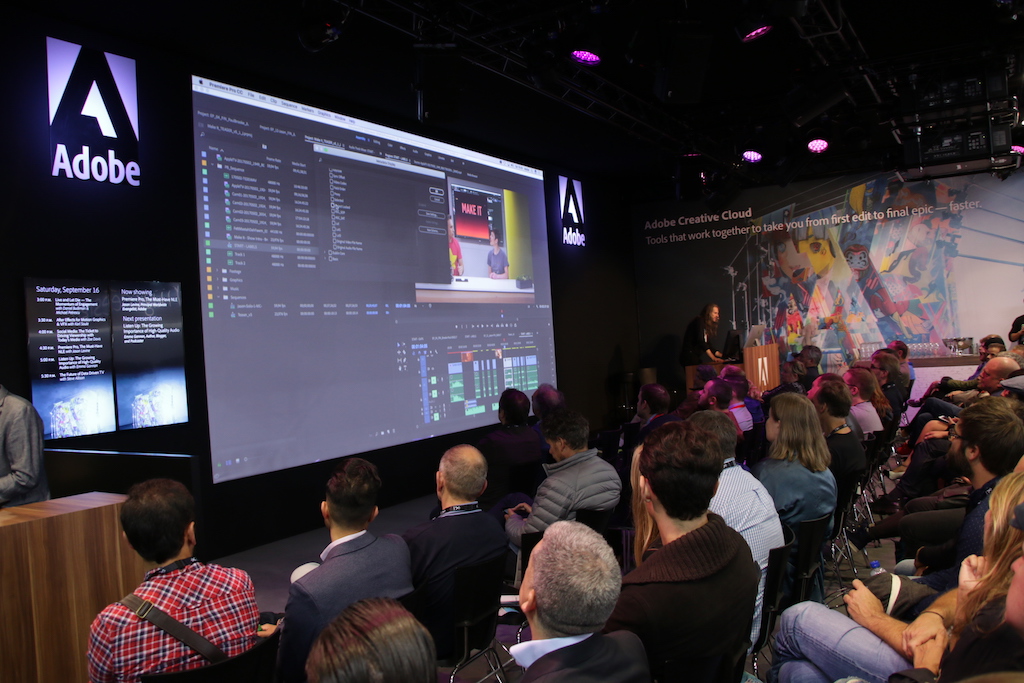
Adobe ha dado a conocer nuevas avances en su propuesta Creative Cloud en relación a realidad virtual (RV)/360, motion graphics, edición y colaboración. Muchas de estas características son posibles gracias a Adobe Sensei, el framework de inteligencia artificial y aprendizaje automático de Adobe.
Bryan Lamkin, vicepresidente senior de Digital Media en Adobe, “el vídeo es el medio de comunicación y entretenimiento que más rápido está creciendo. Ya seas un creador de vídeo online, una productora internacional o un cineasta, necesitas ofrecer contenido de gran calidad en todas las plataformas y formatos a una gran velocidad. Adobe está innovando en capacidades que facilitan la colaboración, el compartir en redes sociales y el análisis para ayudar a los creadores de vídeo a acelerar sus flujos de trabajo”.
Las nuevas capacidades de Adobe Creative Cloud disponibles a finales de año incluirán nuevas plantillas para Motion Graphics. Ahora los editores que quieran trabajar con gráficos dinámicos y profesionales o con paquetes de gráficos creados en After Effects como títulos, rótulos, cortinillas o créditos finales pronto podrán acceder a plantillas de Motion Graphics directamente desde Adobe Stock a través de las librerías de Creative Cloud. Además, Adobe ha mejorado la usabilidad del panel Essential Graphics en Premiere Pro, incluyendo opciones para el diseño responsive que preserven la relación de las dimensiones espacio-temporales originales.
Character Animator 1.0 llega con cambios en las funciones de animación básicas y personalizables como “fusión de pose a pose” para un movimiento más armónico, nuevos comportamientos según las leyes físicas y controles visuales del personaje. Adobe Sensei ayuda a mejorar las capacidades de sincronización de labios combinando de manera precisa la forma de la boca con los sonidos hablados.
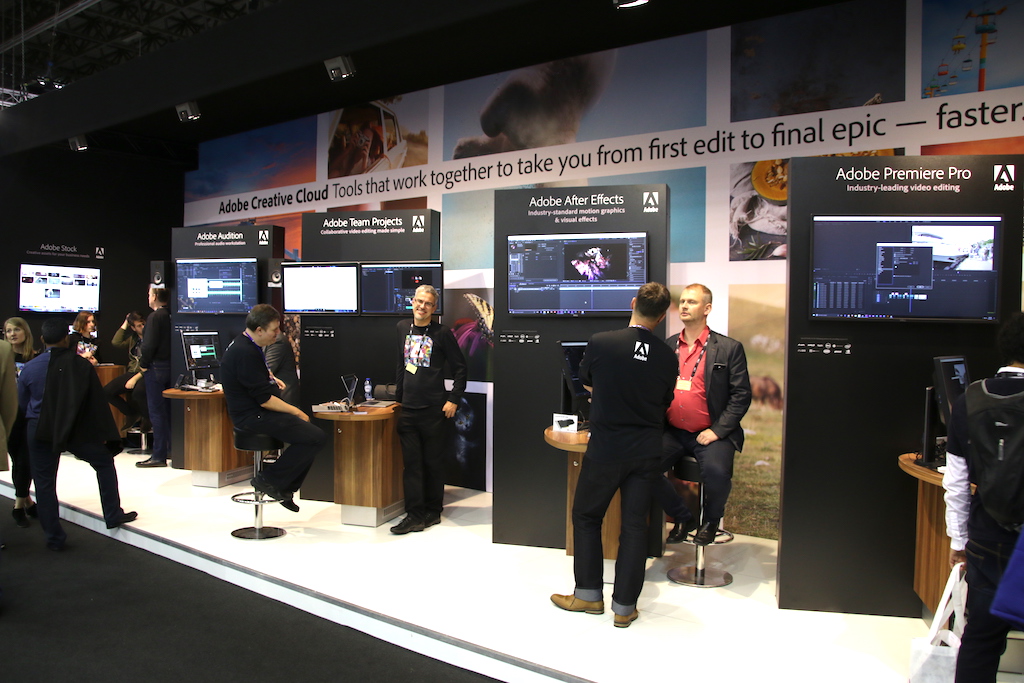
VR en Premiere Pro
Por otro lado, la creación de vídeo de realidad virtual será posible gracias a un entorno exclusivo de visualización en Premiere Pro. Los editores podrán experimentar cualidades de contenido altamente atractivo, repasar su línea de tiempo y editar utilizando atajos de teclado para recortar y marcar mientras llevan puestos el mismo visor de realidad virtual que su público. Además, el audio se puede definir según la orientación o la posición y se puede exportar como audio ambisónico para las plataformas compatibles con la RV, como YouTube y Facebook. Gracias al Mercury playback engine de Adobe, ahora los efectos y transiciones de realidad virtual se presentan de manera nativa y más rápida.
Con la presentación de Team Projects, Adobe ha mejorado los flujos de trabajo colaborativos en la red local mediante funciones de acceso controlado que permiten a los usuarios bloquear proyectos u ofrecer acceso de solo lectura a terceros. El lanzamiento de Team Projects, anteriormente en beta, ofrecerá flujos de trabajo alojados en Creative Cloud mucho más ágiles y la habilidad de gestionar más fácilmente distintas versiones gracias al historial de autoguardado.
Adobe Audition incorpora la organización flexible de sesiones a los flujos de trabajo multipista y al playback continuo durante la edición. Gracias a la tecnología de Adobe Sensei se ha añadido la función de auto-ducking al panel Essential Sound, que ajusta automáticamente los niveles de audio según el tipo, ya sea diálogo, sonido de fondo o música.
Access to the IBC 2017 SPECIAL in Panorama
Did you like this article?
Subscribe to our NEWSLETTER and you won't miss anything.
Related articles
 MOG Central Ingest System, ahora con ingesta directa en Adobe Creative Cloud
 These are the new video features coming soon to Adobe Creative Cloud
 Adobe Creative Cloud enhances its tools applied to video
 Adobe Creative Cloud Drives New Advancements in Video at NAB 2017
 Adobe introduces UHD and HDR to its Creative Cloud solutions
 Adobe announces major updates to Adobe Creative Cloud and Adobe Anywhere for video
 Adobe announces the launch of the completely renewed Creative Cloud
 Nvidia accelerates processes in Adobe Creative Cloud
 Adobe will significantly update all Adobe Creative Cloud video applications
 Major updates to Adobe Creative Cloud video tools
 Adobe announces the ability to subscribe to individual products in Creative Cloud for teams
 The latest Adobe Creative Cloud update is now available
 Adobe will market its solutions only under a subscription model with Creative Cloud
 Adobe Creative Cloud update brings new tools to Photoshop