





The Xarxa Audiovisual Local (XAL) makes the most of the new IP network with an eye on a gradual migration to HD
En los últimos años, la XAL ha venido sustituyendo el uso del satélite por una red IP que permite conectar su centro en el antiguo recinto de la Maternidad en Barcelona con cada una de sus 132 radios, 32 televisiones digitales terrestres y 12 medios online IPTV tanto de titularidad pública como privada. Ahora, tiene la vista puesta en una migración completa a alta definición.
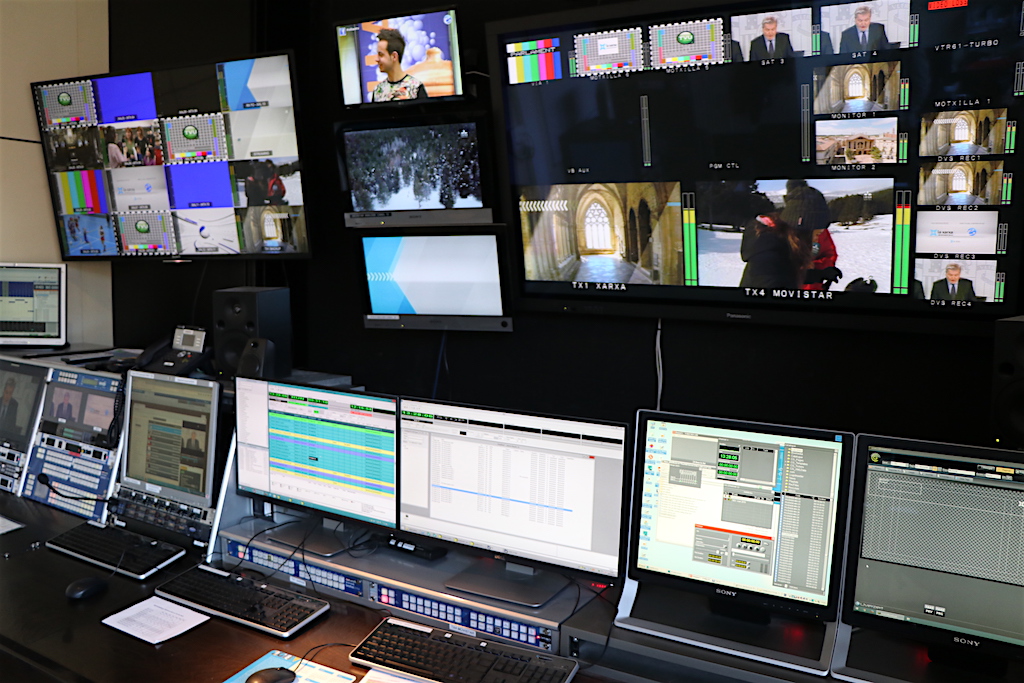
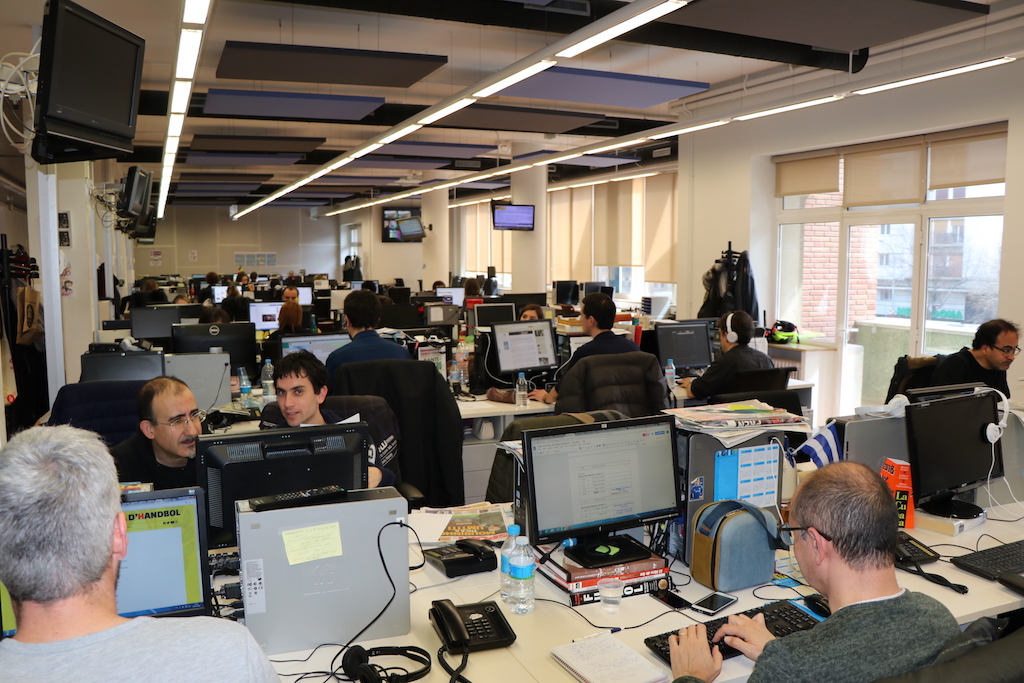 The Xarxa Audiovisual Local (SOLUTION) se constituyó en 2012 por parte de la Diputació de Barcelona para gestionar el apoyo al audiovisual local catalán, dando respuesta a sus necesidades y contribuyendo a la dinamización del sector. Estos objetivos los desarrolla a través de la marca Xarxa de Comunicació Local, una plataforma multimedia de contenidos y servicios a disposición de los medios de proximidad de Cataluña (televisiones, radios y soportes online).
El principal servicio que la XAL les ofrece es la oferta de contenidos, que se diseña conjuntamente con los medios adheridos con el propósito de incentivar al máximo la coproducción con todos ellos. Un criterio de actuación que pretende, por un lado, aumentar la visibilidad de los contenidos audiovisuales locales distribuyéndolos al conjunto de medios adheridos y ampliar así la audiencia potencial; y, por otro, estimular económicamente el sector.
 The XAL gestiona contenidos informativos y deportivos, y divulgativos y de entretenimiento. En cuanto a los contenidos informativos y deportivos, hace hincapié en la información local y se elabora a partir de la coordinación periodística entre los servicios informativos de la XAL y las redacciones de los medios adheridos. Esta tarea conjunta la centraliza el servicio de contenidos informativos Xarxa Mèdia, en la que ambas partes comparten diariamente tanto previsiones de cobertura informativa como piezas de actualidad.
Respecto a los contenidos divulgativos y de entretenimiento, conforman un catálogo que se renueva periódicamente coincidiendo con el inicio de la temporada radiofónica (anual) y televisiva (trimestral). Este catálogo va adquiriendo progresivamente una dimensión multimedia con la incorporación de programas con un doble formato (radiofónico y televisivo). La Xarxa pone a disposición de los medios adheridos diversas herramientas para distribuir y compartir contenidos.
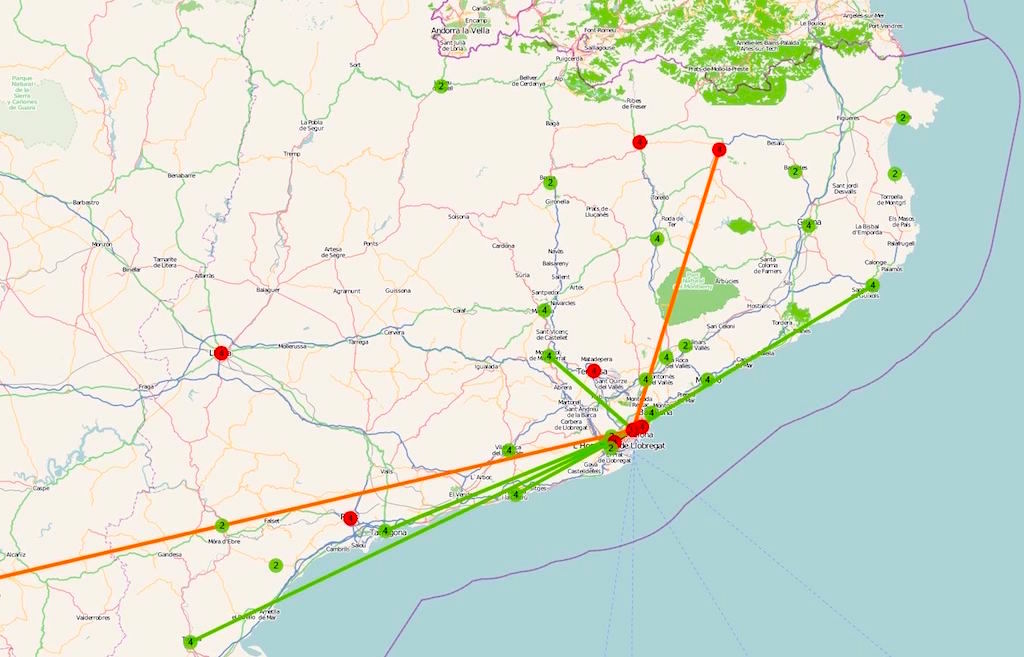
 Paulatinamente la XAL desde 2015 está sustituyendo el uso del satélite por una red IP que permite conectar su centro en el antiguo recinto de la Maternidad en Barcelona con cada una de sus 132 radios, 32 televisiones digitales terrestres y una docena de medios online IPTV tanto de titularidad pública como privada.
Coincidiendo con esta migración, está abordando también el paso de un entorno en SD a otro en alta definición tanto en distribución como en contribución.
“La fibra nos otorga una solución flexible y económica a largo plazo y gracias a 32 Macrolans de Telefónica podemos disfrutar de un servicio sin apenas latencia”, señala Xavier Cabestany, al frente de los servicios de infraestructuras de la XAL.
“El ahorro en costes de explotación sobre la anterior infraestructura de satélite es considerable, además de mayor flexibilidad, muy bajo retardo y enlaces bidireccionales con QoS. Ha habido que hacer frente retos de distribución del tráfico (se ha optado por IP multicast), gestión del ancho de banda, control centralizado de todos los equipos y herramientas de gestión, adaptación del software a las necesidades específicas, documentación y configuración, formación…”, añade.
Toda esta infraestructura de red es mantenida y gestionada por la Diputació de Barcelona y Telefónica desde su centro de Simancas (Madrid) de forma remota.
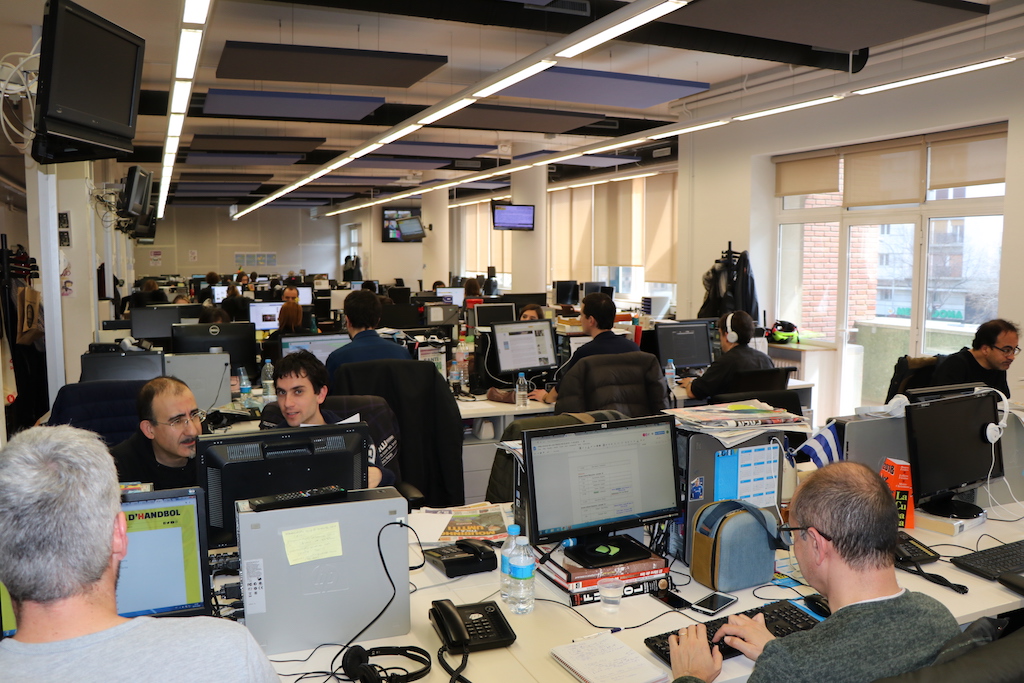
Contribución y distribución
Uno de los aspectos claves que han permitido la adopción de esta red es la mejora en la tecnología de codificación. En este caso, Telefónica (adjudicataria del concurso de despliegue de la red) emplea soluciones de codificación y decodificación de Sapec, bajo el estándar H264 que potencia la codificación eficiente de vídeo permitiendo la entrega de vídeo a altas calidades (alta definición) a muy bajas tasas de transmisión de datos.
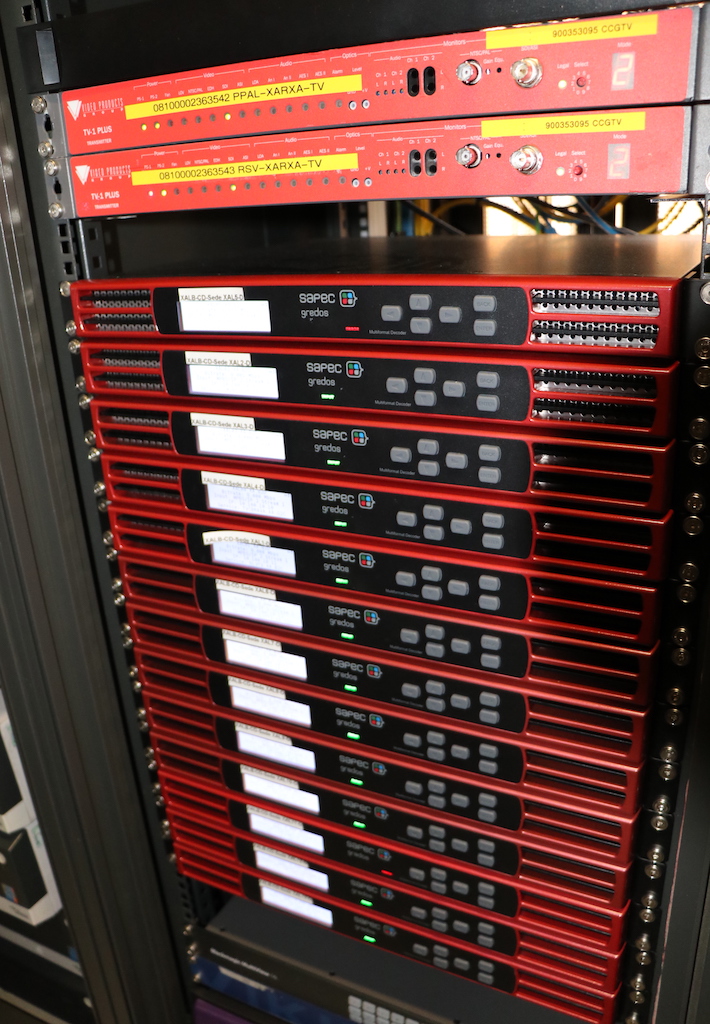 En contribución, la XAL cuenta con los codificadores Altum-II de Sapec. La cuarta generación de esta popular familia de codificadores permite con un menor bit-rate obtener una mejor calidad de imagen con muy baja latencia total vídeo a vídeo en un Altum-II son equipos altamente versátiles, flexibles, y confiables, diseñados para operación en entornos 24hx7, de alta eficiencia energética que permiten configuración y gestión remota.
“La red de la Xarxa está diseñada para que pueda recibir contribuciones desde 19 centros, y distribuir la señal a los 32 centros de las televisiones asociadas, contando con equipamiento de Sapec en cada uno de ellos. Sus equipos destacan por su extremadamente baja latencia, la robustez en la comunicación y su bajo consumo”, señala Cabestany.
En lo que a descodificación se refiere, la XAL dispone en cada uno de sus centros asociados con un equipo Gredos de Sapec. Estos sistemas tienen capacidad para decodificar señales tanto MPEG-2 / H.264 tanto en definición estándar como en alta definición y están preparados para poder ser actualizados a decodificar HEVC. Su interfaz IP admite recepciones tanto en Unicast como Multicast y acepta flujos UDP / RTP al tiempo que da la posibilidad de emitir y recibir FEC para corrección de errores según el estándar SMPTE2022, y disponen de salidas digitales y analógicas
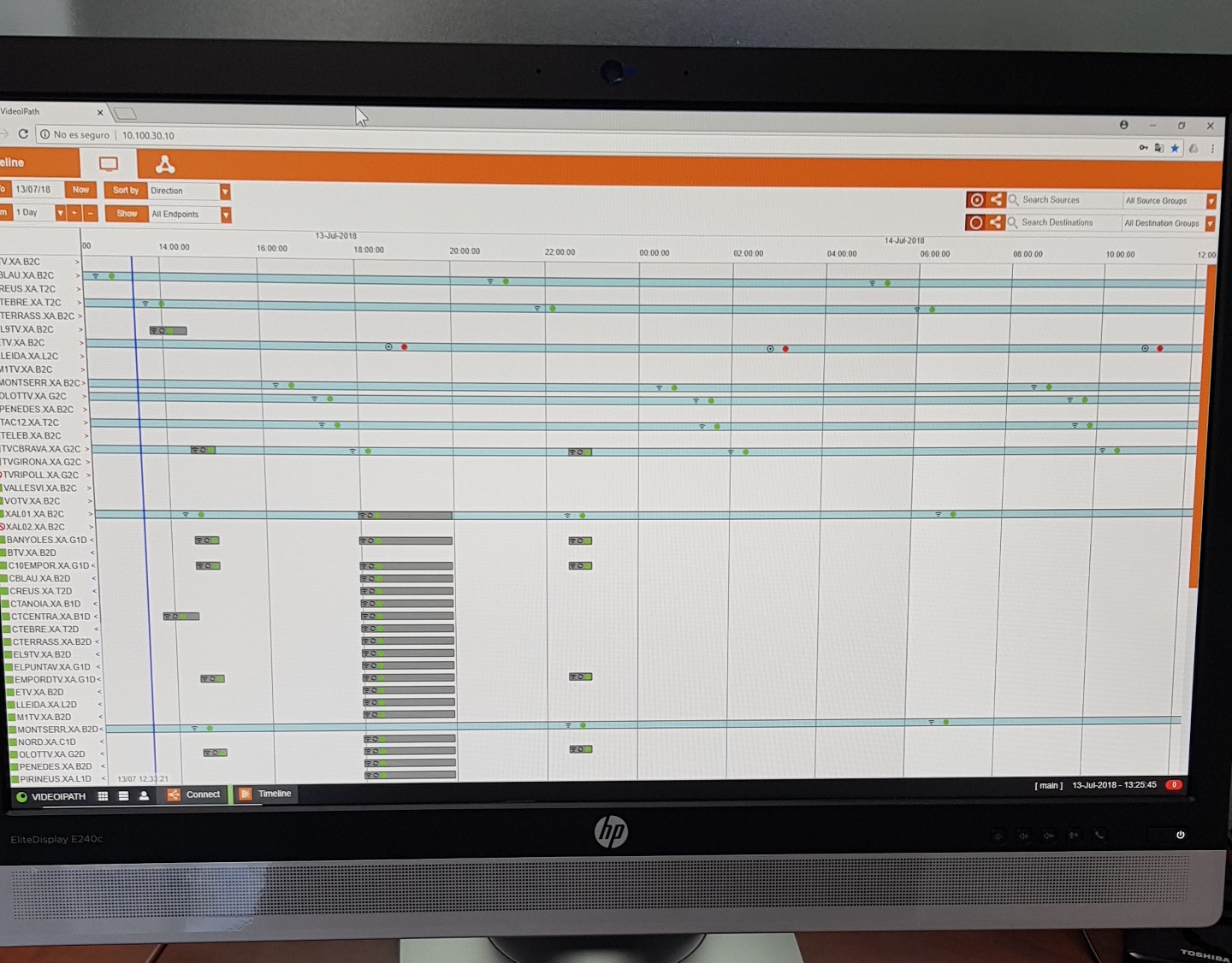
El flujo de contribuciones y distribución de señales se gestiona desde la sede de la XAL en Barcelona gracias a la plataforma VideoIPath de Nevion (distribuida por Sapec en España). La integración de VideoIPath con los equipos Altum-II y Gredos es total permitiendo una capa de abstracción de la red que permite a los proveedores de servicio el suministro y monitoreo de los servicios sin tener que considerar parámetros detallados de configuración en cada elemento de la red involucrado.
Además, la plataforma detecta automáticamente los extremos de video disponibles al seleccionar las terminaciones de video y perfil de servicio apropiado. VideoIPath es una plataforma muy flexible y potente que entre otras funciones permite la programación (Scheduler) de las conexiones y desconexiones por un largo periodo de tiempo siendo el sistema de forma trimestral, mensual, semanal o diario. Esta capacidad facilita enormemente la operación de una red tan compleja donde se hacen más de 800 conexiones y 800 desconexiones semanales. Otra de sus funciones es la administración del ancho banda logrando un uso más eficiente de la infraestructura con la calidad de servicio adecuada, la gestión de usuarios, alarmas, equipos, etc. Y todo accesible desde cualquier punto mediante pagina Web.
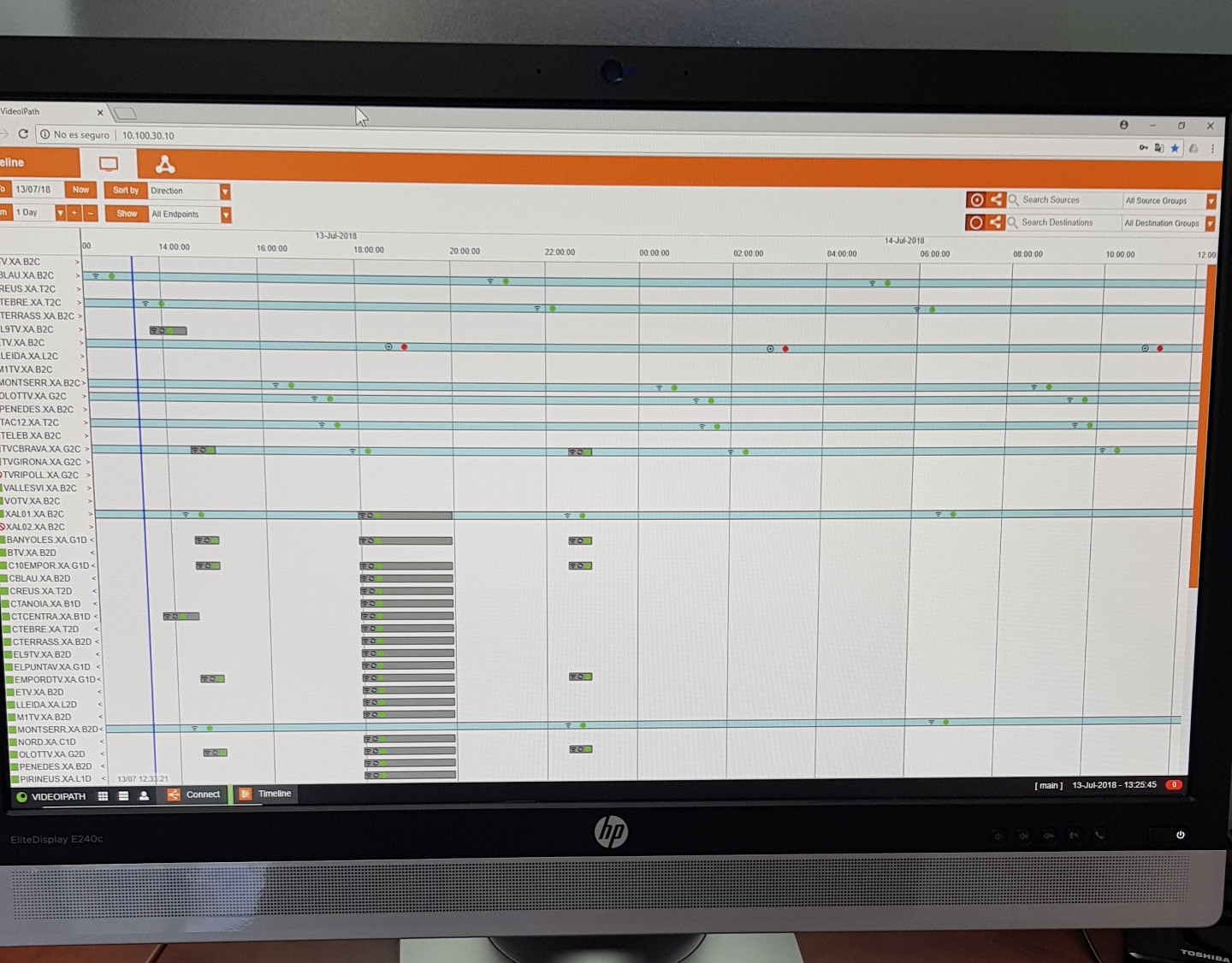 Este esquema permite enlazar toda la red o crear “estrellas” interconectando entidades adheridas de determinadas zonas para la contribución o distribución de eventos más locales.
Precisamente para acercar aún más la XAL a su audiencia, se han substituido los enlaces en banda Ka o Ku satelital por mochilas con enlaces móviles 3G/4G. La XAL dispone ya de una decena de mochilas de TVU y cuatro enlaces bidireccionales Ikusnet ENG (SD) con doble monitor y ordenes bidireccionales.
Por otro lado, la XAL ha puesto también en marcha un servicio de intercambio de contenidos asíncrono desarrollado por VSN (Xarxa Media) basando su archivo en la gestión que proporciona la tecnología Tarsys de Tedial. Sus herramientas permiten la creación de listas de edición y la descarga parcial de contenidos. Ambas características junto con la posibilidad de previsualizar las imágenes almacenadas en un formato de baja resolución basado en el estándar H.264 permiten optimizar los recursos de red minimizando la inversión en la infraestructura de comunicaciones necesaria para la conexión de todas las asociadas.
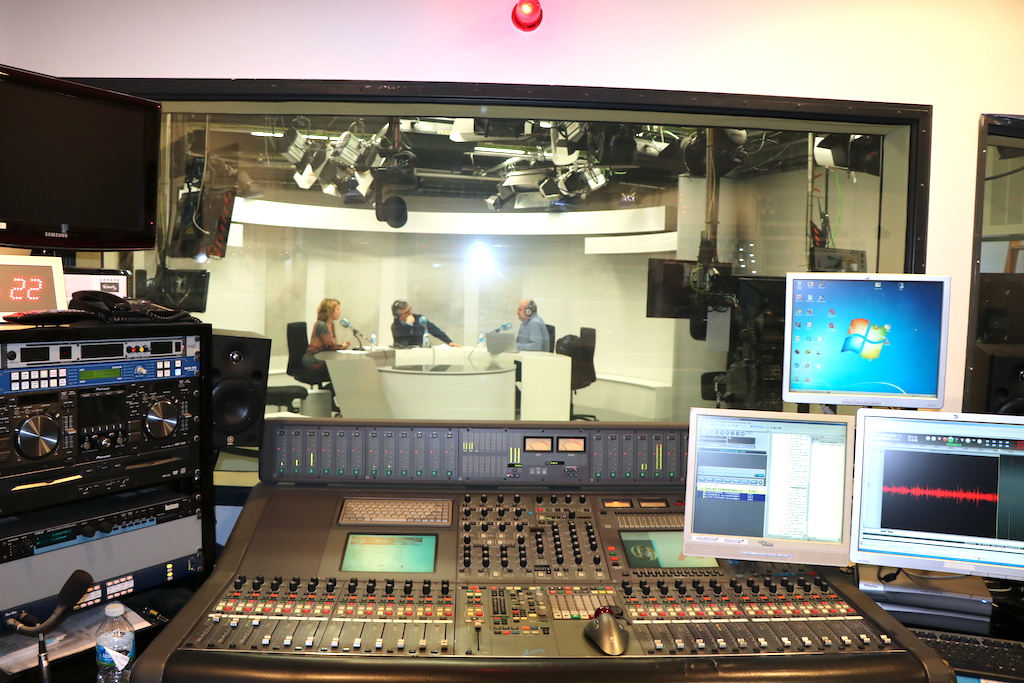
 Radio
Radio
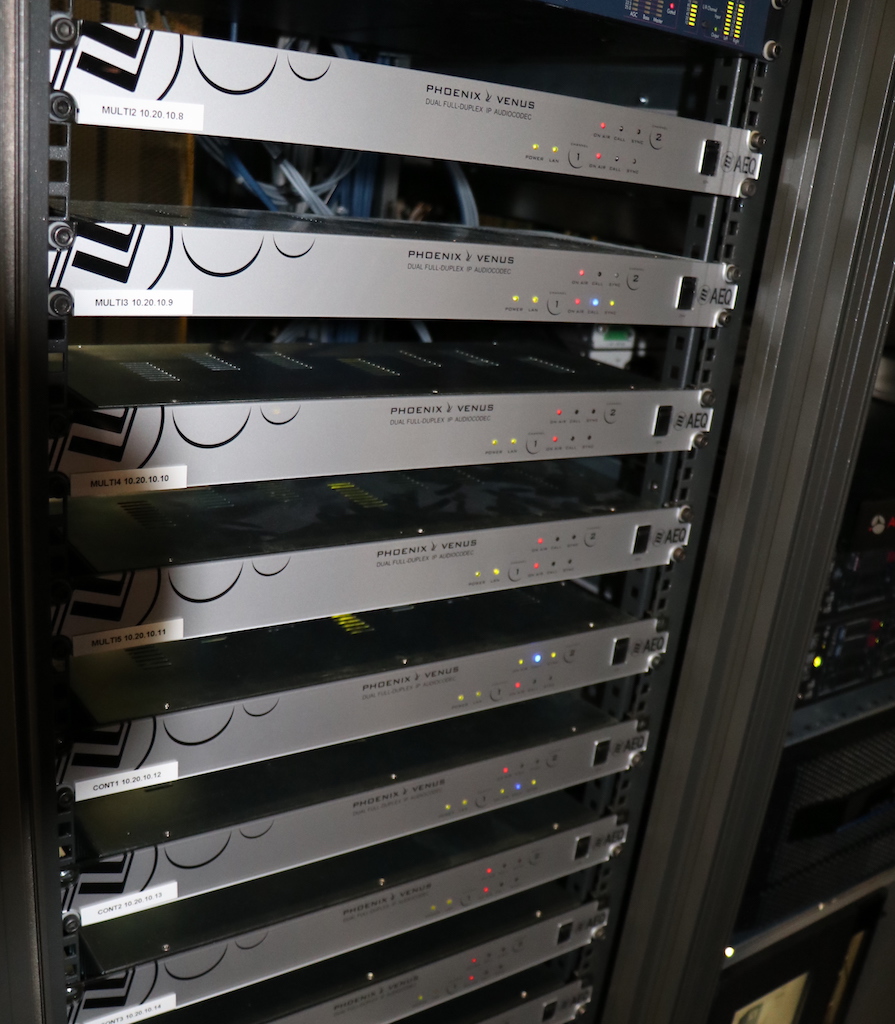
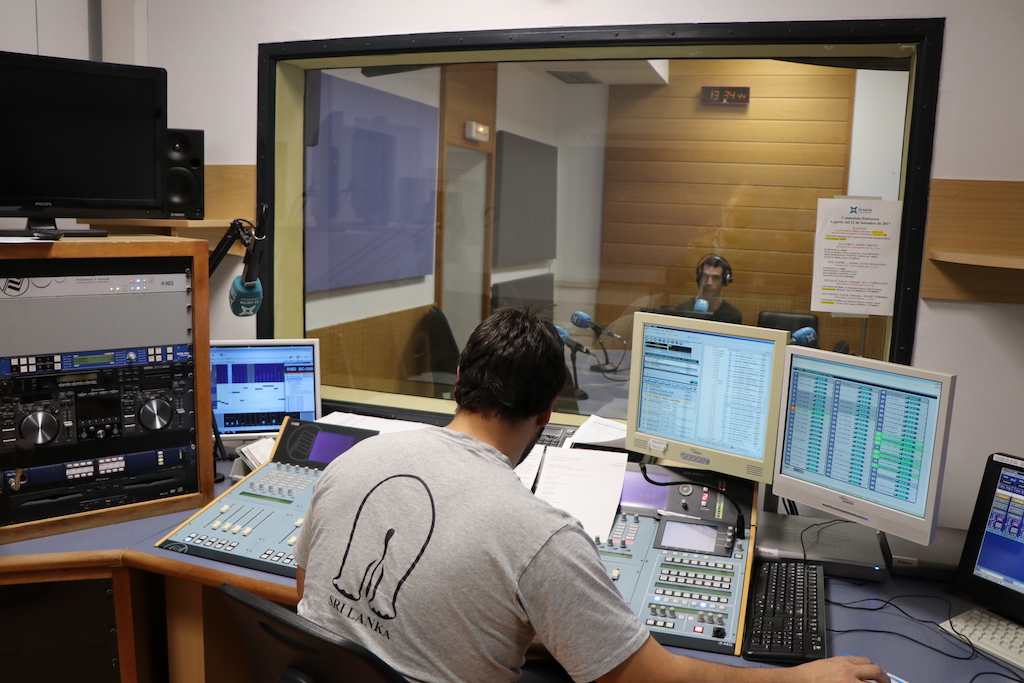
En cuanto al servicio de radio, AEQ ha suministrado a la red casi ciento cincuenta audiocodec Phoenix Venus, desarrollando aplicaciones para controlar y monitorizar todos los audiocodec desde cualquier PC conectado a Internet; programar conexiones y desconexiones; integrar el control con el de la matriz de audio existente; activar grupos de difusión regionales o locales; y gestionar centralizadamente conexiones punto a punto de contribución.
La Xarxa ha instalado un audiocodec Phoenix Venus en cada estación local. El sistema de automatización de la emisión existente genera GPOs para los GPI de los Venus de multicast (MAIN y BACKUP), que envía a los audiocodec elegidos, transportando ordenes de conmutación remota de la fuente de audio o control de consolas. El servidor de control continuamente monitoriza el estado de Main y Backup y si falla el que está transmitiendo, rehace la conexión al otro. El audio de entrada se distribuye a ambos desde la matriz.
En contribución, el canal 2 de los Venus locales hace contribución hacia la central. Para ello, en la cabecera hay cinco Venus de contribución, con dos canales cada uno, hasta diez contribuciones simultáneas desde distintas emisoras asociadas. Estos diez canales bidireccionales y estéreo, se conectan a la matriz y están conectados a los estudios para contribuir a programa o dar coordinación. Las llamadas se establecen manualmente desde cabecera a través de una agenda usando SmartRTP para establecer la llamada.
Did you like this article?
Subscribe to our NEWSLETTER and you won't miss anything.
Related articles
 Gabriel Gutiérrez (Less Twelve DB) gets the most out of Avid's S4 in the new series 'La Fortuna'
 Abeer Abdullah takes advantage of the light and colorimetry of the Ursa Mini in his new film 'Neo-Bedouin'
 La Xarxa Audiovisual Local actualiza a alta definición su red de contribución
 Live Park saca el máximo partido a los nuevos servidores XT-VIA en la producción de la liga polaca
 With Smartlive, Tedial makes the most of artificial intelligence and MAM in sports production environments
 Navarra saca a concurso siete licencias de TDT local
 Elemental saca el máximo partido a la nube de Amazon para ofrecer experiencias de visualización altamente diferenciadas
 The Xarxa Audiovisual Local replaces satellite with IP networks in distribution and contribution
 Aragón TV y Xarxa Audiovisual Local instalan sistemas de intercom de última generación de Clear-Com
 Eventec makes the most of Yamaha digital consoles at the Dutch Aalsmeer Studios
 Ateme saca el máximo partido a las tarjetas Intel Visual Compute Accelerator
 PlayBox saca el máximo partido del hardware COTS
 Andorra TV formaliza su adhesión a la Xarxa Audiovisual Local
 Antena Local renueva su colaboración con la Xarxa Audiovisual Local