





La Super Bowl batió récords de streaming… pero con retardos de hasta 47 segundos
Phenix midió la latencia de la emisión y descubrió que los “streams en directo” estaban entre 28 y 47 segundos por detrás del tiempo real.
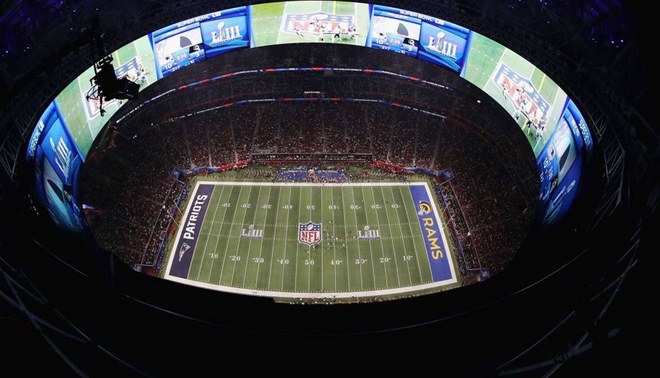
The Super Bowl de este año batió récords de streaming, con un incremento del 20 por ciento más que en 2018. Es de reseñar que la solución de streaming en tiempo real de Phenix, midió la latencia de la emisión y descubrió que los “streams en directo” estaban entre 28 y 47 segundos por detrás del tiempo real.
Además de los retardos de campo a dispositivo, Phenix también midió la latencia entre los dispositivos que observaban las transmisiones en vivo en las mismas aplicaciones y encontró que los dispositivos tenían retardos que oscilaban entre 69 y más de 100 segundos de distancia entre sí.
Jed Corenthal, CMO en Phenix (y anteriormente de la NFL), Jed Corenthal, señala que “la Super Bowl es el evento deportivo estadounidense más visto del año, y a medida que los hábitos de consumo de los deportes cambian de una emisión lineal a multidispositivo, es importante entender la experiencia visual de este creciente grupo demográfico de ‘cortadores de cables’. Phenix tuvo un probador en el estadio Mercedes-Benz y medimos el retardo con respecto a la acción en el campo a través de cable y por aire y a varias plataformas de streaming como CBSSports.com, la aplicación CBS Sports, Yahoo Sports y NFL.com. Los resultados mostraron retrasos que oscilaban entre 28 y casi 47 segundos por detrás de la transmisión en tiempo real. Además, al comparar el tiempo de retardo para diferentes espectadores que observan en la misma plataforma, se demostró que están extremadamente fuera de sincronización, con retardos que van de 69 segundos a más de 100 segundos de distancia entre sí”.
“La latencia es exasperante para los fans, dejándoles que aprendan sobre los touchdowns de sus feeds de Twitter y las notificaciones de push antes de que vean la jugada en la pantalla. Aunque son frustrantes, no son inesperados: el 72% de los espectadores de deportes se anticipan a los problemas al transmitir los partidos. Va más allá de una simple molestia y causa un importante efecto dominó, dañando la reputación de las plataformas de streaming y afectando los ingresos cuando la gente no quiere pagar por suscripciones de bajo rendimiento a marcas que eligen retirarse y anunciarse en plataformas funcionales que tienen más ojos. Además, a medida que las apuestas legalizadas continúan arraigándose, cualquier cosa menos una experiencia de streaming en tiempo real es imposible cuando hay dinero en juego”.
“A medida que observamos las conversaciones sobre los derechos de los medios de comunicación que tendrán lugar en los próximos dos años, la industria necesita redefinir sus estándares de lo que es una experiencia aceptable de visualización de contenido en vivo para poder avanzar con éxito. Los resultados de streaming del Super Bowl LIII son sólo otro punto de prueba de que las plataformas no pueden ofrecer una experiencia de usuario óptima para eventos a gran escala y necesitamos una revisión tecnológica para arreglarlo”, concluyw.
Did you like this article?
Subscribe to our NEWSLETTER and you won't miss anything.
Related articles
 Super Bowl LIX: parallel broadcast in paid and free windows
 La Copa del Mundo de Rugby bate récords en streaming
 TelevisaUnivision will broadcast the 2024 Super Bowl in Spanish
 Van Wagner and Ross in Super Bowl starting lineup
 The Internet and the Super Bowl: What do today's pop culture traffic patterns tell us?
 Twitter permitirá subir vídeos de hasta 140 segundos
 NBC Sports employed ChyronHego Lyric Pro at Super Bowl
 Verizon tests LTE broadcast at Super Bowl
 PESA systems route Super Bowl signals
 Zoom and 4K replay, at the Super Bowl, with EVS
 Fox Deportes will broadcast the Super Bowl in Spanish for the first time
 Record audience in the Super Bowl with more than 108 million viewers
 The Super Bowl broadcast featured around thirty Sony HD cameras
 Grass Valley in the Super Bowl finale