





The filmmaker Eugenio Martín, Nocturna de Honor 2019
Figura clave del cine español de género, el director de películas míticas como ‘El precio de un hombre’ (1966) o la cinta de culto de fantaterror español ‘Pánico en el Transiberiano’ (1972) recibirá a sus 94 años el reconocimiento a su trayectoria en la VII edición del Festival Internacional de Cine Fantástico Nocturna Madrid.
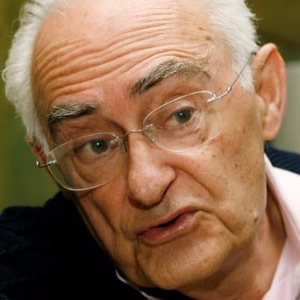 The filmmaker Eugenio Martin, conocido en el mundo anglosajón como Gene Martin, sorprendió en 1966 con la película El precio de un hombre, una novedosa simbiosis entre la tradición del western americano y las influencias del cine italiano. Su largometraje fue entonces reconocido de “interés artístico especial” y convirtió a su protagonista, el actor Tomás Milián, en un icono del género, siendo hoy una de las películas favoritas de Quentin Tarantino.
Eugenio Martín (Ceuta, 1925) será homenajeado el día 26 de octubre en la VII edición de Nocturna Madrid “por su aportación al fantaterror español y por su capacidad de rodar con la misma elegancia y responsabilidad películas de diversos géneros”, explica Sergio Molina, director del festival.
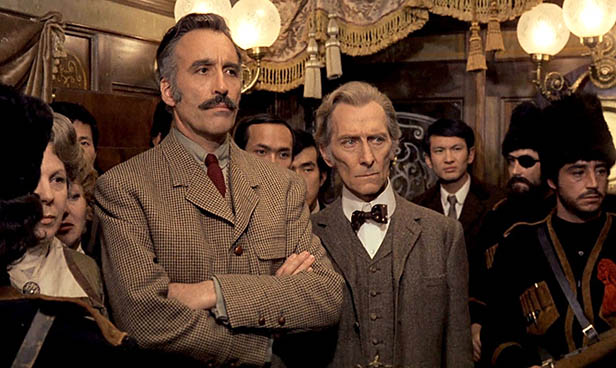
El veterano cineasta ha abarcado en su extensa filmografía desde el cortometraje documental, hasta el cine fantástico y de terror, el spaghetti western, la comedia musical y las películas con tinte español más significativas de finales de los 60. En 1972 dirige Panic on the Trans-Siberian, uno de sus films más destacados a nivel internacional, que hasta hoy es considerado como una obra de culto. Al año siguiente, A candle for the devil (1973), censurada en su día y recientemente restaurada por el Festival de Cine Clásico de Granada (Retroback).
También entre sus trabajos más reconocidos destacan Tengamos la guerra en paz o la serie para televisión Juanita la Larga. “Tenía un material dramático de primera. Para mí lo más importante es contar una buena historia, no importa el género”, explica sobre su trayectoria Eugenio Martín.
Una vida de cine
Nacido en Ceuta, se trasladó a Granada con su familia cuando era un adolescente y fundó en esa ciudad el primer cineclub de su historia, junto con intelectuales de la época como José Martín Recuerda, Elena Vivaldi o Gregorio Salvador. Más tarde ingresaría en Madrid en el Instituto de Investigaciones y Experiencias Cinematográficas con su primer corto rodado en 35 milímetros y con música de Ernesto Halffter, Viaje romántico a Granada (1954) -basado en los grabados que los viajeros del XIX hicieron de la Alhambra-, formándose en la misma escuela que los cineastas Berlanga o Saura.
Eugenio Martín también trabajó como ayudante en la película Simbad y la princesa (1958), rodada en parte en el monumento nazarí y la provincia andaluza, y estableció los pilares de la que serían sus primeras películas, Los corsarios del Caribe -una historia de piratas sin pretensiones que acabó triunfando en las salas de media Europa- y Despedida de soltero (ambas de 1961), una cinta con la que el cineasta fracasó y tuvo que aceptar ser ayudante en producciones extranjeras, a la sombra de directores internacionales como Michael Anderson (1984) o Nicholas Ray (Rey de reyes), para continuar en el mundo del cine. Después llegarían películas de autoría propia como Hipnosis (1962) y Duelo en el Amazonas (1964).
Por delante de su cámara han pasado Pepe Isbert, Christopher Lee, James Mason, Julio Iglesias, José Luis López Vázquez, Gracita Morales o Lola Flores -que logró ser la primera mujer galardonada con el Premio del Sindicato Nacional del Espectáculo por Una señora estupenda (1967). Martín afirma que nunca quiso decantarse por un estilo, y siempre se ha mantenido flexible ante cualquier posibilidad: “Me he sentido igual de cómodo haciendo un thriller que una comedia, una película de misterio que una de aventuras. Me considero una especie de juglar porque me dedico a narrar las historias que otros han inventado”, explica con humildad. Una virtud que, según sus biógrafos Carlos Aguilar y Anita Haas (Eugenio Martín: un autor para todos los géneros), destaca en su personalidad y en su forma de trabajar.
Entre su filmografía también figuran Las leandras (1969), La vida sigue igual (1969), El hombre de río malo (1971), No quiero perder la honra (1974), “españoladas que forman parte de las películas alimenticias que hay que hacer para comer y que no tienen nada de malo”, explica Eugenio Martín. Aunque, lo que siempre ha querido hacer es cine de autor.
“La evolución de Eugenio Martín siempre ha sido coherente con la industria cinematográfica y su línea en el tiempo, y también muy personal porque siempre ha sabido aportar su estilo”, dice de él Reinaldo Pereira, subdirector de Nocturna Madrid. “Sé que no todas mis películas son buenas, pero entre más de veinte, cinco o seis sí lo son. Y he podido hacer las historias que quería”, asegura Martín, quien sobrevivió artísticamente a la dictadura franquista, a la censura, e incluso a la autocrítica.
Eugenio Martín recibirá el reconocimiento a su larga trayectoria del Festival Nocturna Madrid con el Premio Nocturna de Honor, un homenaje que anteriores ediciones han recibido cineastas como Narciso Ibáñez Serrador, Jorge Grau o Caroline Munro.
Did you like this article?
Subscribe to our NEWSLETTER and you won't miss anything.
Related articles
 The Aragonese filmmaker Carlos Saura, Goya of Honor 2023
 Filmmaker Cecilia Bartolomé will receive the Feroz de Honor Award 2022
 'Amigo', by Madrid director Óscar Martín, great winner of the VII edition of Nocturna Madrid
 The VII Nocturna Madrid International Fantastic Film Festival will screen more than thirty feature films and 28 short films
 Andy Serkis will receive the honorary award for excellence at IBC 2019
 Tribute to the great teacher Chicho Ibáñez Serrador, Goya of Honor 2019, at the nominees party
 Chicho Ibáñez Serrador, Goya of Honor 2019
 Documenta Madrid pays tribute to the Mexican director Eugenio Polgovsky
 Engineer and journalist Eugenio Fontán Pérez, former director of SER, dies
 The filmmaker Lluís Escartín will receive the Márgenes Special Award
 Fallece el cineasta Pedro Costa
 Nocturna 2015 homenajeará a Josep Antón Pérez Giner
 Mercedes Gaspar, a total filmmaker
 Eugenio Monzón: “we must ensure that the film industry contributes 5% of the Community's GDP”