





Telecinco stops broadcasting 'Pasapalabra' after the Supreme Court ruling in favor of ITV
The high court has dismissed the appeal filed by Mediaset España against the ruling of the Provincial Court of Madrid on the contract signed with ITV, in relation to the broadcasting rights of the program Pasapalabra.
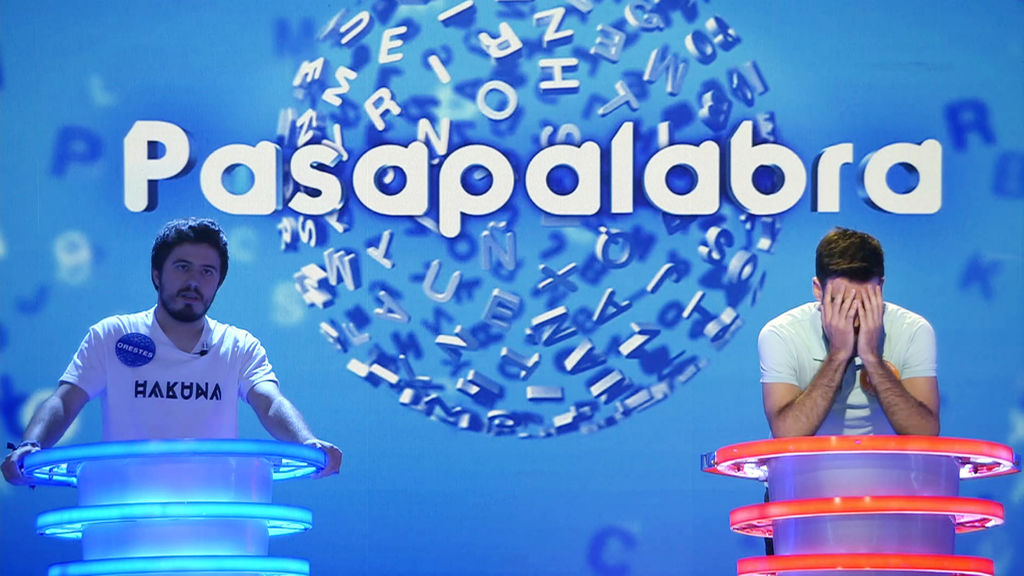
After several years of litigation, finally the Supreme Court has agreed with the British producer and broadcaster ITV in his litigation against Mediaset Spain. The Supreme Court has rejected the appeal filed by Mediaset against the ruling of the Provincial Court of Madrid on the contract signed with ITV, in relation to the program broadcast rights Pasapalabra.
The Provincial Court of Madrid agreed to condemn Telecinco to immediately cease broadcasting the format as well as to "resume in the future, the broadcast, editing, production, reproduction, public communication, distribution, transformation and any and all other forms of exploitation, by itself or through third parties, of the program." Pasapalabra, as well as any other television program that has an identical or similar format to the program Pasapalabra or that has the name Pasapalabra“.
Now, after the ruling by the Supreme Court became final, Telecinco broadcast this Tuesday, after almost two decades on the air, the latest edition of the popular contest presented by Christian Galvez.
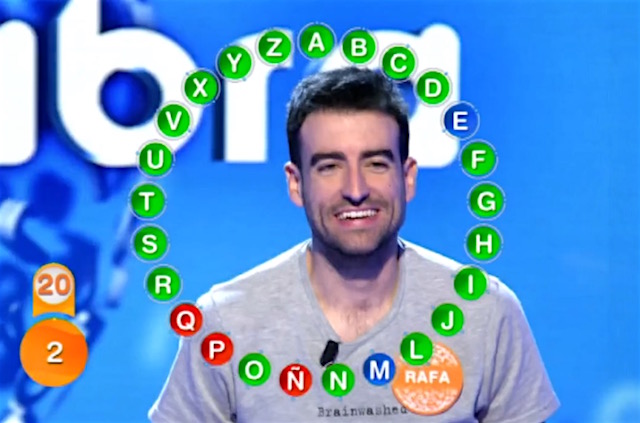 “After receiving this afternoon the Supreme Court ruling on Pasapalabra, Mediaset España communicates its respect for said decision and its intention to comply with it immediately. Therefore, and unless an agreement is previously reached with ITV, today will be the last day of broadcast of the program Pasapalabra“The group said in a statement.
The background of the litigation dates back to 2009 when Mediaset España stopped paying the antenna rights to ITV for the original format. The Alphabet Game (which Antena 3 had previously broadcast) claiming that key elements in the Spanish version, such as The Roscor, they did not constitute the format.
Telecinco maintained in the lawsuit that the Dutch company MC&F es la “legítima titular” de The Rosco y como tal le paga por el uso del formato, si bien MC&F estaba a su vez en litigio con ITV por esa titularidad.
Mediaset demandó ITV pidiendo entonces la nulidad de los acuerdos y la devolución de las cantidades ya pagadas. Por su parte, ITV reclamó 14,9 millones de euros por impagos y exigió el cese de la emisión del programa. El Juzgado de lo Mercantil 6 de Madrid condenó a Mediaset a cancelar la emisión del concurso y a abonar la cantidad reclamada.
Sentencia que posteriormente ratificó la Audiencia Provincial de Madrid aunque rebajó a 7 millones la cantidad a abonar. Tanto Mediaset como ITV, no satisfechas con la sentencia, acudieron al Supremo.
El recurso de casación fue admitido exclusivamente en relación con una de las cuestiones planteadas por Mediaset, que cuestionaba la posibilidad de que ITV pudiera reclamar a la condena a Telecinco a indemnizarle en el importe de las ganancias obtenidas como consecuencia del uso del formato y la denominación Pasapalabra (incluyendo las ventas de merchandising) desde el 1 de agosto de 2012, puesto que ITV solamente explota su formato mediante licencia, y había decidido no optar, ni siquiera de manera subsidiaria, por el criterio de la regalía hipotética, según el Supremo.
El alto tribunal, aplicando la Directiva que regula el respeto a los derechos de propiedad intelectual y el texto refundido de la Ley de Propiedad Intelectual española (TRLPI), concluye que la utilización del criterio indemnizatorio de los beneficios obtenidos por el infractor es procedente aunque el titular de los derechos infringidos no explote directamente el formato televisivo objeto de la infracción. Así, considera que la modalidad de resarcimiento prevista en el artículo 140.2 del TRLPI no es propiamente una modalidad propiamente indemnizatoria, en tanto que no responde al quebranto patrimonial sufrido por el titular del derecho de exclusiva vulnerado, sino que busca evitar que quede en el patrimonio del infractor el beneficio patrimonial logrado con la infracción.
Did you like this article?
Subscribe to our NEWSLETTER and you won't miss anything.
Related articles
 The legendary 'Grand Prix' returns to RTVE after almost 18 years since its last broadcast
 ‘Pasapalabra’ returns to Antena 3
 'La Voz' jumps from Telecinco to Atresmedia after signing an agreement with Talpa Media
 Telecinco se anota la emisión más vista del verano con el partido de vuelta de la Supercopa de España
 iCat returns to FM after five years with exclusive Internet broadcasting
 The Supreme Court rules that there was no “overbidding” by RTVE in the purchase of Champions League rights for the 2012-2015 seasons
 Mediaset will take YouTube's acquittal to the Supreme Court for using images without permission
 How will the DTT panorama look in Spain after the Supreme Court ruling?
 Canal Nou will close after 24 years of broadcasting
 The Supreme Court ratifies the conviction of LaSexta for the indiscriminate use of Telecinco images
 'Pasapalabra', on iPhone and iPad, offers participation in an environment recreated in 3D
 Historic ruling against YouTube in France
 Spain-Honduras, most watched broadcast in the history of Telecinco
 The extension of the Europa League final, Telecinco's third most watched broadcast since 2001