





Chimney uses DaVinci Resolve Studio real-time collaboration on 'The Dead Don't Die'
La colaboración en tiempo real en la realización de los efectos visuales entre las ciudades de Nueva York (EE. UU.) y Gotemburgo (Suecia) fue clave en la postproducción de ‘Los muertos no mueren’.
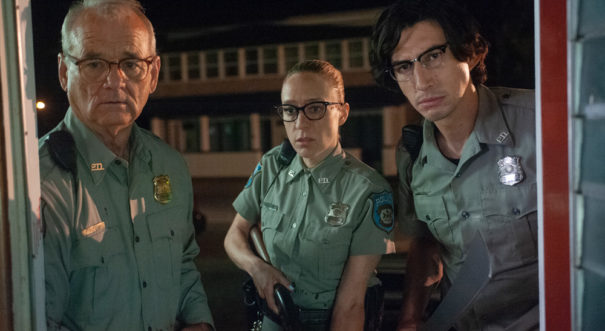
Chimney has trusted DaVinci Resolve Studio of Blackmagic Design para colaborar en tiempo real en la realización de los efectos visuales de la película zombi Los muertos no mueren entre las ciudades de Nueva York (EE. UU.) y Gotemburgo (Suecia). Asimismo, la posproductora empleó Fusion Studio para determinados efectos.
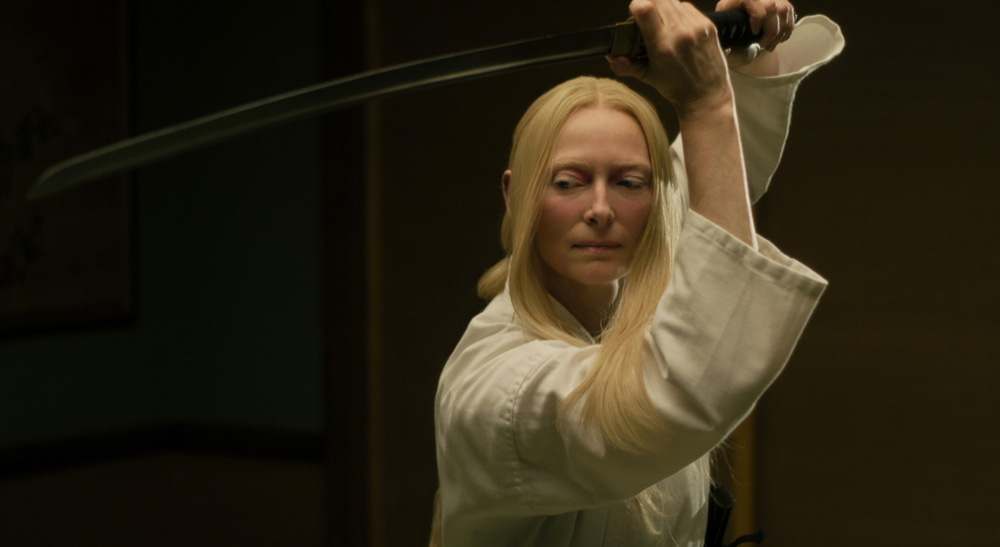
Los muertos no mueren se desarrolla Centerville, un plácido pueblo que un día se despierta en mitad de una batalla contra muertos vivientes que comienzan a levantarse de sus tumbas. Dirigida por Jim Jarmusch, esta comedia zombi cuenta en su elenco con Bill Murray, Adam Driver, Chloë Sevigny y Tilda Swinton, entre otros.
El equipo de Chimney produjo más de 300 tomas con efectos visuales para la película, que se crearon simultáneamente en sus sedes de Nueva York y Gotemburgo. Jarmusch y el director de fotografía Frederick Elmes estaban en Nueva York, por lo que Chimney debía lograr una colaboración en tiempo real entre ambas ciudades, de manera que fuera posible trabajar de cerca con los cineastas para discutir e implementar cambios durante la etapa de realización.
“Debido a que era el primer proyecto de Jim con gran cantidad de efectos visuales, queríamos asegurarnos de que se sintiera cómodo y en contacto con el equipo a lo largo de todo el proceso”, explica Sam O’Hare, supervisor de efectos visuales en Chimney.
Chimney usó DaVinci Resolve Studio debido a sus opciones colaborativas para la revisión en tiempo real de secuencias en formato EXR.
Entre Gotemburgo y Nueva York
“Requeríamos que los equipos en cada continente supervisaran el mismo material grabado para poder comentarlo por teléfono. Gracias a DaVinci Resolve Studio, pudimos trabajar en las mismas secuencias EXR desde cada estudio, cargarlas en un proyecto que luego compartimos y volvimos a vincular, y por último comenzar una sesión de forma remota en la que visualizamos el material con alta calidad y simultáneamente en ambos lugares. Por un lado, Jim y Fred supervisaban y comentaban las escenas desde Nueva York, mientras que por otro, en Gotemburgo, Andreas Hylander (productor de efectos visuales en Chimney) y Alex Hansson (supervisor de efectos visuales en Haymaker) podían ver el fotograma del que estaban hablando”, añade O’Hare.
“Puesto que la película fue rodada mayormente durante el día para después ser etalonada con un estilo nocturno, el desafío a la hora de entregar los efectos visuales era que estos se vieran con claridad incluso una vez realizada la corrección cromática. No podíamos emplear dinámicas de trabajo tradicionales con tablas LUT, ya que el etalonaje se había reducido varios pasos debido al uso de una gran cantidad de máscaras y superposiciones. Sin embargo, como empleamos DaVinci Resolve Studio directamente en los archivos EXR originados a partir de los efectos visuales, pudimos ajustar rápidamente el estilo a fin de tomar una decisión fundada entre rehacer las tomas de efectos visuales o solucionarlo en el etalonaje”, dijo Hylander.
Por otro lado, O’Hare agrega que “al emplear DaVinci Resolve Studio, teníamos la posibilidad de acceder a los datos cromáticos más recientes del etalonaje, de modo que la estética estaba siempre actualizada, y con el material grabado original cargado en la capa inferior podíamos comparar la superposición en caso necesario”.
A Jarmusch le pareció que la dinámica de trabajo facilitó la revisión del proceso: “Trabajar con colaboradores en otras ciudades del mundo es casi siempre un desafío, sobre todo si se trata de elementos visuales, como en este caso. No obstante, en Los muertos no mueren, al usar DaVinci Resolve Studio en Chimney, tuvimos la oportunidad de compartir y analizar ideas de manera inmediata y constante con nuestros compañeros en Suecia, mientras nosotros estábamos en Nueva York. ¡Toda una maravilla moderna!”
Ambiente colaborativo
Dado que Chimney está compuesta por una red internacional de oficinas situadas en 11 ciudades a lo largo y ancho del planeta, la colaboración es fundamental para sus proyectos. “Este tipo de trabajo siempre requiere buena comunicación, así como una transferencia de datos ágil. Disponemos de un sistema central que nos brinda la posibilidad de enviar secuencias sin compresión rápidamente, por lo que teníamos acceso al material disponible en ambos estudios. Este procedimiento es esencial para la colaboración entre nuestras instalaciones en todo el mundo”.
“En general, usamos la función colaborativa que ofrece DaVinci Resolve Studio a fin de llevar a cabo sesiones de etalonaje a distancia entre distintas oficinas, pero en este proyecto era la primera vez que lo implementábamos con efectos visuales”, señala O’Hare. “La posibilidad de supervisar el material grabado en alta resolución, con las últimas correcciones cromáticas aplicadas, en dos lugares a la vez, separados por más de 6000 kilómetros, fue algo revolucionario. Esto permitió que la comunicación entre el director, el responsable de fotografía y el equipo de efectos visuales remoto fuera inmediata y sin interrupciones, lo cual facilitó una colaboración fluida. Al ser una compañía internacional que constantemente lleva a cabo proyectos en distintos estudios, la calidad de la colaboración es crucial para nuestro éxito”.
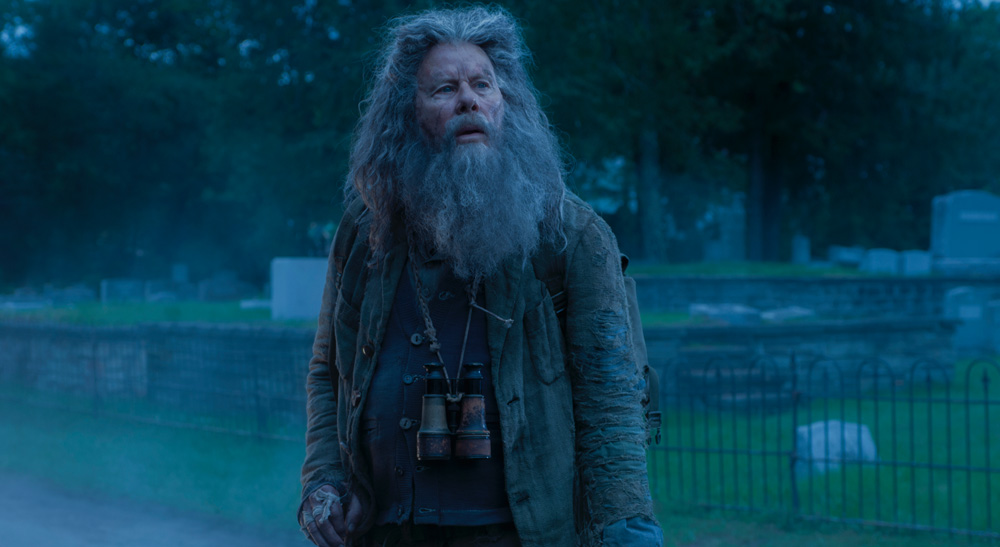
Asimismo, O’Hare y su equipo emplearon Fusion Studio para determinados trabajos de efectos visuales en la película, por ejemplo, la escena en la que uno de los actores hace uso de unos prismáticos antiguos y dañados. “El personaje de Hermit Bob vive en el bosque, de ahí que Jim quisiera conseguir que los binoculares se vieran muy sucios e incluso que los cristales estuvieran agrietados”, explica O’Hare.
“Empleamos diversas herramientas de Fusion Studio para lograr la estética de los prismáticos, incluidas formas rotoscópicas desplazadas e inclinadas a fin de imitar el cristal roto, capas de suciedad y polvo en el visor, y varias máscaras representando rayos de luz con el propósito de crear reflejos internos en la parte negra exterior alrededor de los clásicos círculos de los binoculares. Las formas desplazadas se diseñaron para que reaccionaran a los movimientos en cada plano, tal y como se vería a través de un vidrio fracturado. De esta manera, algunas tomas tenían desplazamientos de cámara, mientras que otras las creamos mediantes movimientos sincronizados en Fusion Studio empleando modificadores anidados en el nodo de transformación”, concluye O’Hare.
https://www.youtube.com/watch?v=n31nf2j9rt0
Did you like this article?
Subscribe to our NEWSLETTER and you won't miss anything.
Related articles
 ‘Y2K’ (A24) travels from digital to celluloid with DaVinci Resolve Studio
 Lucidlink introduces a “new era” of real-time creative collaboration
 DaVinci Resolve Studio 19 provides a hundred updates
 Autodesk Moxion Rooms to offer real-time cloud-camera collaboration in film and television
 DaVinci Resolve Studio takes on the darkness of 'Barbarian'
 DaVinci Resolve Studio finishes ‘Ms. Marvel' with a very particular aesthetic
 DaVinci Resolve Studio, axis of the completion of 'Writing With Fire'
 ‘Don’t Call It Mystery’ (Fuji TV), etalonada con DaVinci Resolve Studio
 ‘The Green Knight’, etalonada con DaVinci Resolve Studio
 Paramount graded 'Rocketman' with DaVinci Resolve Studio
 Chimney Group continues to expand with DaVinci Resolve Studio
 Oscar winner Claudio Miranda trusts DaVinci Resolve Studio and DaVinci Resolve Mini Panel from Blackmagic
 Blackmagic launches DaVinci Resolve 12 with unprecedented collaborative editing and grading options
 Avid ISIS 7500: Greater real-time editorial collaboration and performance for broadcast and post-production