





‘The Green Knight’, etalonada con DaVinci Resolve Studio
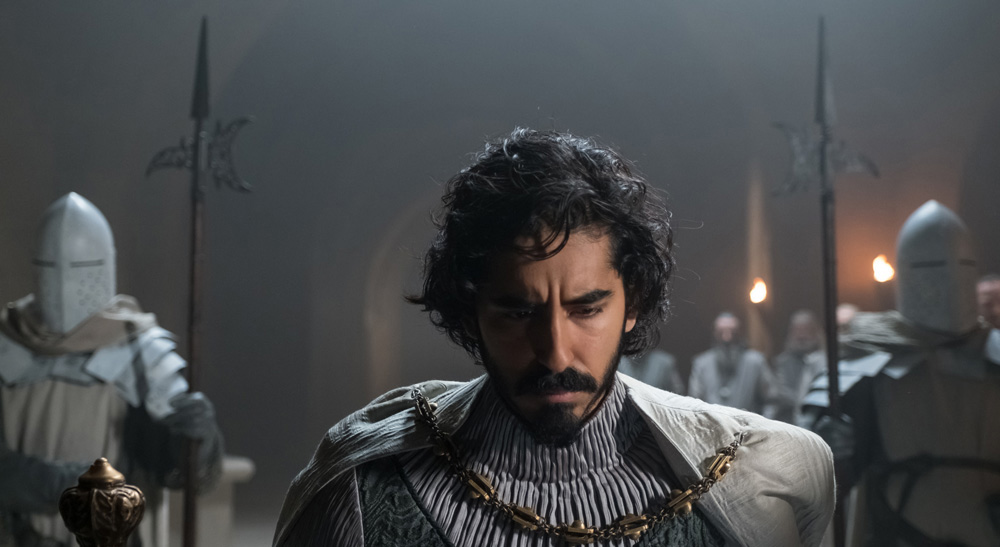
Colorist Alastor Arnold (PhotoChem) decided to use DaVinci Resolve Studio software from Blackmagic Design para etalonar The Green Knight, film photographed by Andrew Droz Palermo.
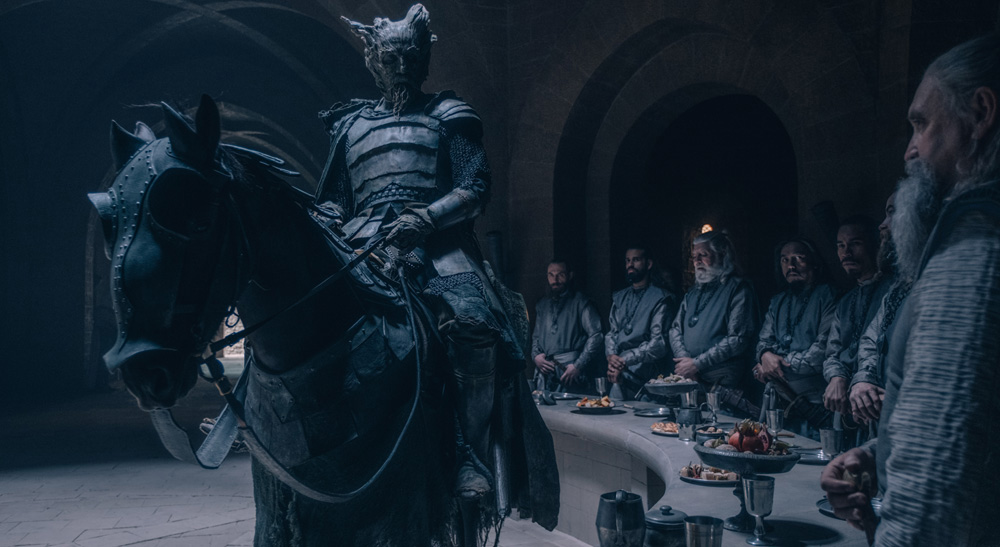
The Green Knight tells the story of Sir Gawain (Dev Patel), the “reckless and stubborn” nephew of King Arthur, who embarks on a dangerous quest to confront the eponymous Green Knight, a strange emerald-skinned giant who tests men. To address the color of this production of A24, Palermo decided to trust Alastor Arnold again: "I think it's our feature film together. In addition, we have made several advertisements and shorts, so we know each other very well, which is very important in terms of color and vision."
Palermo and the director David Lowery They worked closely with Arnold to address the color treatment before filming: “I recorded a few shots and then added them to the Color module to create our own conversion tables.” The LUT had to be created carefully, because Palermo knew that the project would be quite demanding: "The goal was for it to be able to process underexposure and, at the same time, preserve some chromatic contrast, as well as be able to adapt to the CDL lists and the chromatic filters of the camera. I knew it was going to be quite psychedelic with colors throughout."
Arnold elaborates: "Andrew and I sat down with David in the digital intermission room and agreed on a look together, naturally. He guided me based on what he had in mind in terms of tone curve, color bias, etc., and then we polished everything until we were all happy. It's a very dark and bold film. I think it's some of my best work as a colorist."
Working with DaVinci Resolve Studio
To tackle this project, the entire team opted for DaVinci Resolve Studio, defined by Palermo as “an extraordinary application.” "It does what I want with stability and speed, even with the RAW footage we shot for this project. Alastor and Claire, his assistant, created a node structure for the entire project before we started, so if I asked them to add a lower node, Alastor would activate the one already built in. Or we could adjust the luminance of an entire scene simply by clicking." Arnold also appreciates the wide variety of tools available in DaVinci Resolve: "I don't choose a system based on the project. Colorists are sometimes asked for tasks that are outside the scope of color grading, such as visual effects, titles, editing, etc. Resolve offers many features in all these areas, including sound."
Despite the built-in conversion table, the film continued to present challenges for both Arnold and Palermo. According to the director of photography himself: "There are many imposing aesthetics in the film, with strong tones in blue, red, green and amber. It was difficult to find the right point of amber for the final sequence. We could ruin it very easily, so finding the right method that worked for each scene recorded on different days with different lighting conditions was extremely complex. I think I graded that part of the film about three times."
Pese a todos estos desafíos, Palermo aprecia poder contar con las herramientas de DaVinci Resolve de la mano de Arnold. “Son momentos creativos muy divertidos, en los que las escenas se capturan de manera óptima en el set y luego se integran aún más en la etapa de etalonaje”, concluye.
https://youtu.be/sS6ksY8xWCY
Did you like this article?
Subscribe to our NEWSLETTER and you won't miss anything.
Related articles
 The Mexican series 'Somos Oro' (Amazon Prime), graded with DaVinci Resolve Studio
 The dramatic dystopia 'The Fortress' (Viaplay), graded with DaVinci Resolve Studio
 Spotify's new advertising campaign graded with DaVinci Resolve Studio
 ‘The Walking Dead: Daryl Dixon’, etalonada con DaVinci Resolve Studio
 'Drive My Car', Oscar for Best Foreign Film, graded with DaVinci Resolve Studio
 ‘Don’t Call It Mystery’ (Fuji TV), etalonada con DaVinci Resolve Studio
 The 'Pagan Peak' series (Sky Deutschland) graded with DaVinci Resolve Studio
 'Don't look up' (Netflix), graded with DaVinci Resolve Studio
 ‘Red Alert’ (Netflix), graded with DaVinci Resolve Studio
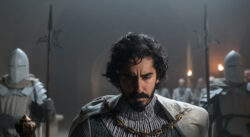 The Green Knight was graded with DaVinci Resolve Studio (Blackmagic Design)
 The third season of 'Brassic' (Sky), graded with DaVinci Resolve Studio
 'Gaey Wa'r', graded with Blackmagic Design's DaVinci Resolve Studio
 ‘Normal People’, the BBC and Hulu adaptation, graded with DaVinci Resolve Studio
 The ‘Please Tell Me I’m Adopted!’ series, edited and graded with DaVinci Resolve Studio