





The dramatic dystopia 'The Fortress' (Viaplay), graded with DaVinci Resolve Studio
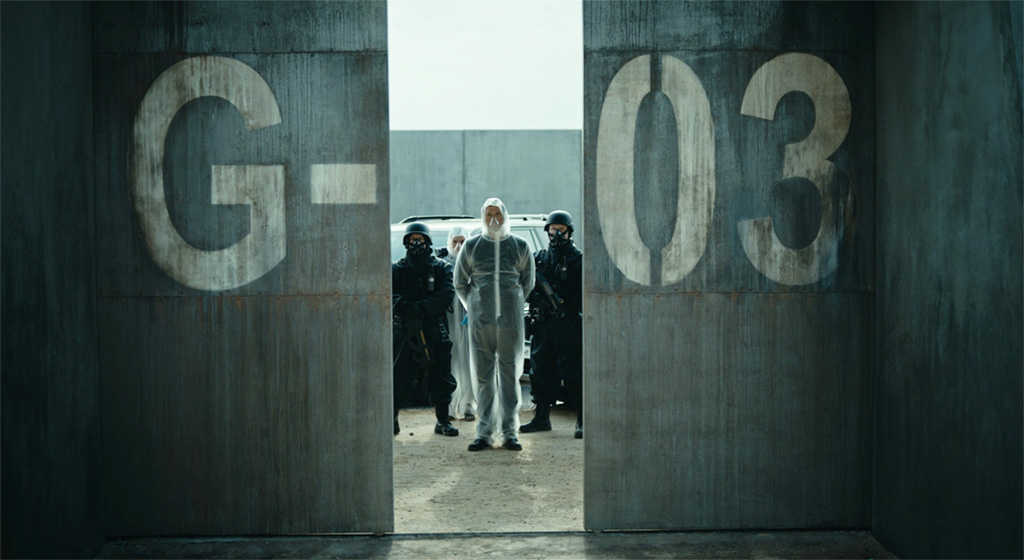
Colorist Dylan Hopkin decided to use DaVinci Resolve Studio software from Blackmagic to grade and finish 'The Fortress' (Viaplay), award-winning Norwegian series, winner of the award for Best Screenplay in Mania Series.
He dystopian drama of seven episodes of 45 minutes each starring Russell Tovey (Years and Years) delves into the year 2037, at which time Norway decides to cut off all kinds of international ties and builds a huge wall around its perimeter. Initially thriving in its isolation, Norway's destiny takes a dangerous turn when it finds itself attacked by a deadly disease, turning the once protective fortress into an inescapable trap.
Produced by Maipo Film for Viaplay and filmed in Norway and Lithuania, the post-producer Nordic Film ShortCut Oslo was in charge of shaping, grading and finalizing the series with DaVinci Resolve Studio. Additionally, he was responsible for sound design and mastering, while Troll VFX in Finland he did the visual effects.
From the beginning, the series had a “metallic” visual style, with a highly adjusted contrast and an emphasis on reflections. This approach, reinforced in color correction with a analog tape effect, achieved humanity with the addition of “imperfections” using DaVinci Resolve Studio custom curves and DCTL scripts to imitate the transfer between color channels. "Images breathe more when certain parts of the tonal range are moved slightly away from the center. Otherwise, you can end up with an uninspiring look," explains Hopkin.
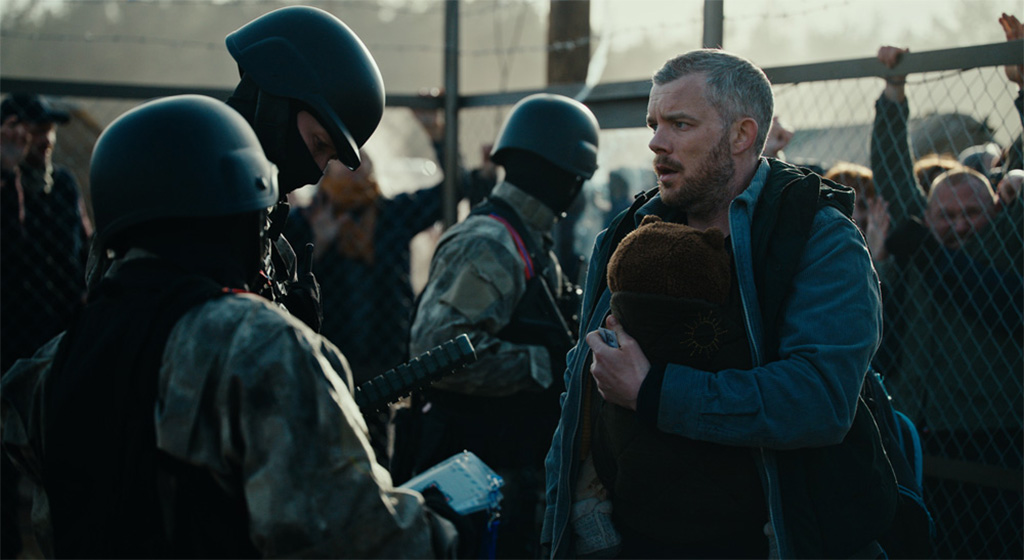
DaVinci techniques in The Fortress
Hopkins dedicated a total of 36 hours of color grading per episode of 'The Fortress' using a wide selection of DaVinci tools: "I subtly applied the facial refinement tool to enhance the light in the actors' eyes, so the audience felt more connected to the characters at important moments. There were also a couple of scenes where a uniformed police officer was wearing a hat with a mix of black and dark blue fabrics, so we had to grade the blue to match the black. This may sound like a simple task; however, the refractive qualities of the dark blue area were much brighter than the black areas, and the darker luminance ranges were very similar.”
The grader also used the object mask in the function magic mask and one Power Window to separate the black and dark blue areas, as well as the depth map effect to add detail in the environment: "Towards the end of the season, there is a scene that takes place in a refugee camp. There were many refugees, guards, and flaming bonfires with varying amounts of smoke throughout the sequence. I occasionally generated depth maps with this effect to get a better shot by matching the images with the outdoor shots. I let that guide the visibility of the haze created with the fast noise effect. This helped me get a better atmospheric continuity.
"I hope the grading is not noticeable, in the sense that it should not compete with the story, but rather underline it. At the beginning of the series, there are subtle differences between the two locations. However, there is a slight sense of uncertainty, even in the abundant freshness of Norway," he concludes Hopkins.
Did you like this article?
Subscribe to our NEWSLETTER and you won't miss anything.
Related articles
 ‘Extremely Inappropriate!’, the TBS drama series, uses DaVinci Resolve Studio in its grading
 The Mexican series 'Somos Oro' (Amazon Prime), graded with DaVinci Resolve Studio
 Spotify's new advertising campaign graded with DaVinci Resolve Studio
 ‘The Walking Dead: Daryl Dixon’, etalonada con DaVinci Resolve Studio
 'Drive My Car', Oscar for Best Foreign Film, graded with DaVinci Resolve Studio
 ‘Don’t Call It Mystery’ (Fuji TV), etalonada con DaVinci Resolve Studio
 The 'Pagan Peak' series (Sky Deutschland) graded with DaVinci Resolve Studio
 'Don't look up' (Netflix), graded with DaVinci Resolve Studio
 ‘Red Alert’ (Netflix), graded with DaVinci Resolve Studio
 ‘The Green Knight’, etalonada con DaVinci Resolve Studio
 The third season of 'Brassic' (Sky), graded with DaVinci Resolve Studio
 'Gaey Wa'r', graded with Blackmagic Design's DaVinci Resolve Studio
 ‘Normal People’, the BBC and Hulu adaptation, graded with DaVinci Resolve Studio
 The ‘Please Tell Me I’m Adopted!’ series, edited and graded with DaVinci Resolve Studio