





‘Normal People’, the BBC and Hulu adaptation, graded with DaVinci Resolve Studio
La serie, producida por Element Pictures, ha sido dirigida por Lenny Abrahamson y Hettie Macdonald, con Suzie Lavelle y Kate McCullough a cargo de la fotografía.
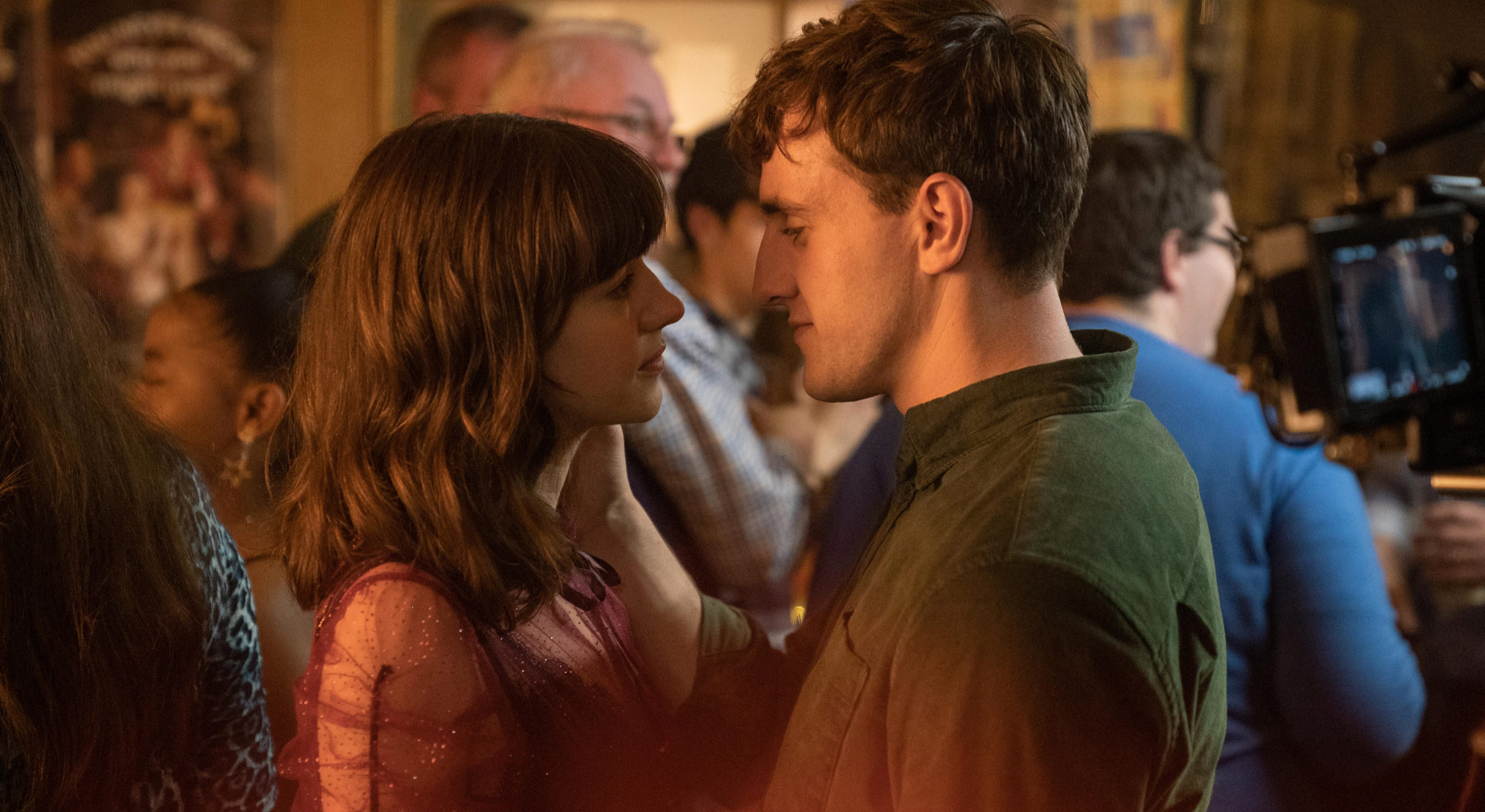
Normal People, la exitosa adaptación televisiva de la novela de Sally Rooney aclamada por The New York Times, fue etalonada y finalizada en DaVinci Resolve Studio of Blackmagic Design.
Este éxito fue producido por Element Pictures, productora galardonada con premios Óscar y BAFTA, y cuenta con casi 48 millones de descargas en BBC iPlayer hasta el momento. La serie de doce episodios ha cautivado no solo a audiencias de Estados Unidos y Reino Unido, sino también a los críticos que hablan maravillas sobre esta historia de amor irlandesa.
La serie ha sido dirigida por Lenny Abrahamson y Hettie Macdonald, con Suzie Lavelle y Kate McCullough a cargo de la fotografía. Gary Curran, colorista y director de Outer Limits, fue responsable de toda la posproducción, la cual llevó a cabo en DaVinci Resolve Studio basándose en una ACES work dynamics para el etalonaje, la edición y la entrega del material.
Curran comenta que “el trabajo que se realizó con las cámaras en esta serie fue excepcional. Suzie decidió usar objetivos K35 que introdujeron efectos de destellos y niebla. Las imágenes tenían cierta atenuación en las luces y los contrastes”.
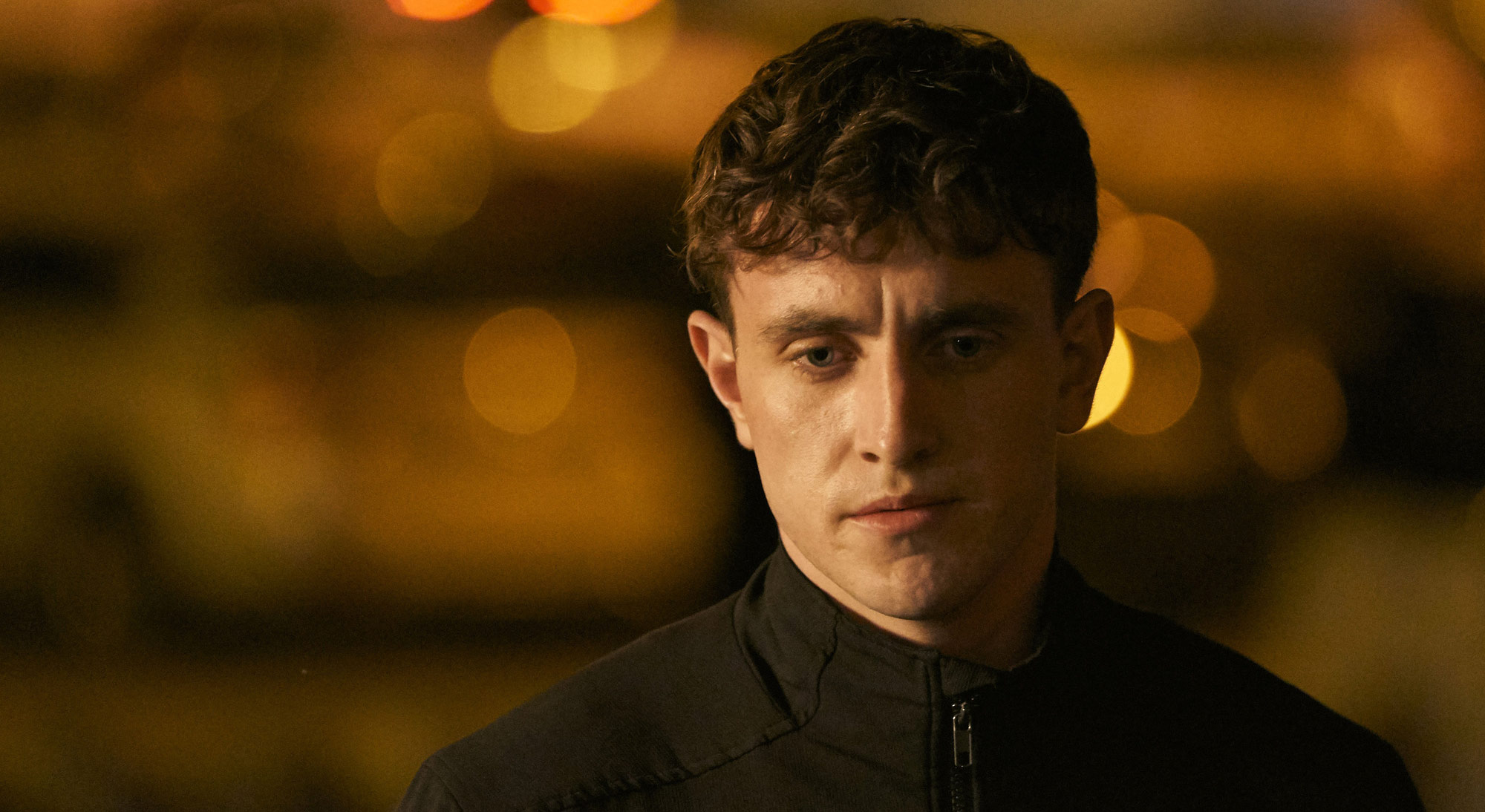 “En general, mi objetivo era conservar todo esto”, continu”. “En vez de embellecer aún más el trabajo ya realizado por Suzie y Kate, intentaba encontrar el equilibrio entre mantener lo natural y no demasiado estilizado en el intermedio digital y, al mismo tiempo, conservar cierta intensidad en las imágenes”, añade.
Durante toda la serie, cada set y momento en el tiempo tienen su propio mundo. Esto no solo se refería al etalonaje, sino al conjunto del proceso: desde el diseño de producción y el vestuario, hasta la fotografía y la dirección. Curran destaca que “cuando los personajes estaban en la escuela secundaria, reflejamos los grises y los azules del uniforme”.
“Luego, la historia evoluciona a Trinity, en donde los colores son más intensos, con un matiz más cálido en los rojos, naranjas y marrones. Las siguientes secuencias en Italia son más brillantes y nítidas, lo que es un contraste importante a cuando el personaje de Marianne está pasando un momento complicado en Suecia”.
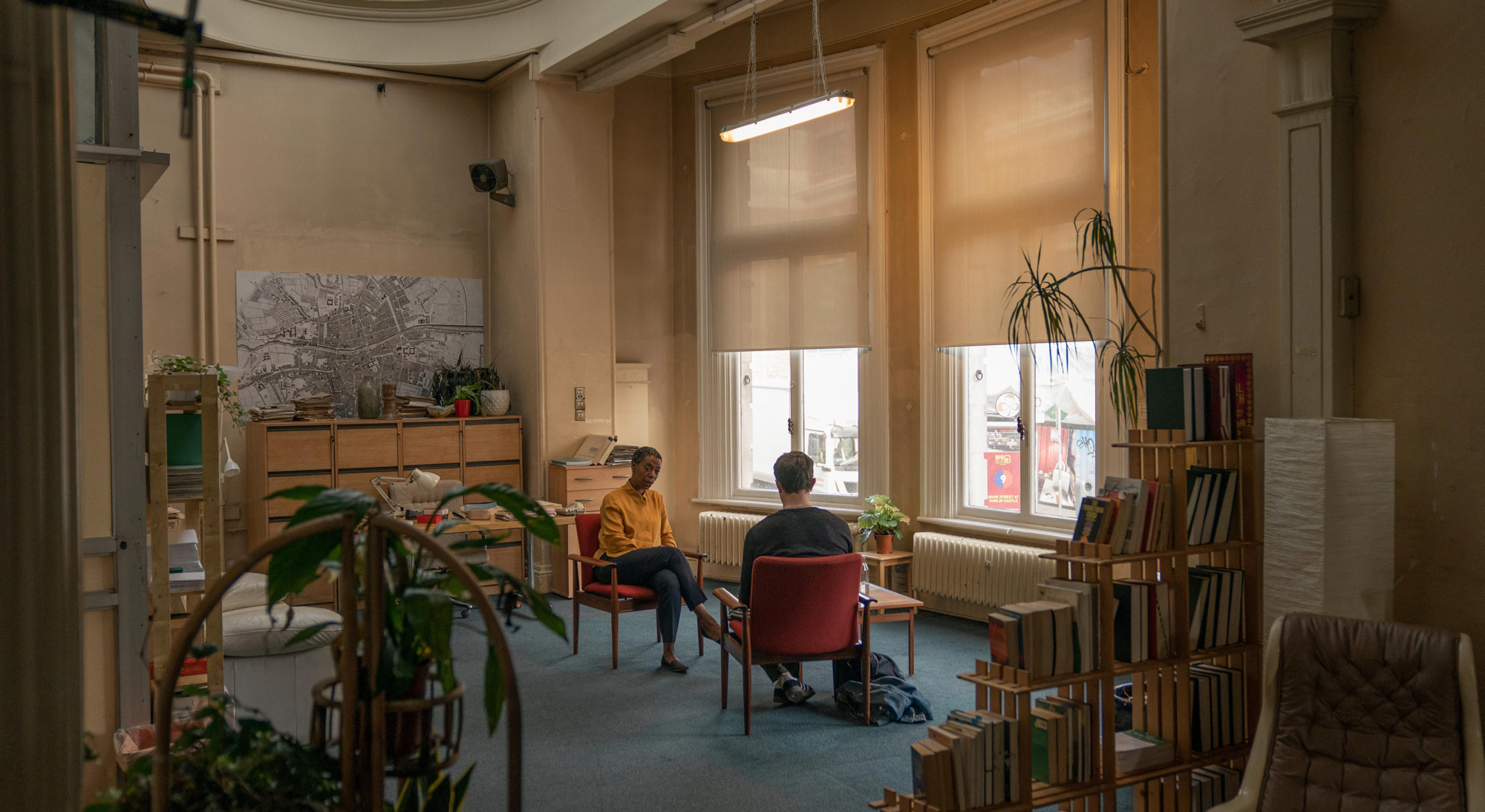
Suecia en Dublín
Curran explica que muchas de las tomas en interiores en Suecia, en realidad se rodaron en Dublín, de modo que fue necesario hacer coincidir dichas imágenes con las de exteriores, las cuales se etalonaron con una iluminación más tenue y baja, a fin de reflejar el estado mental de Marianne.
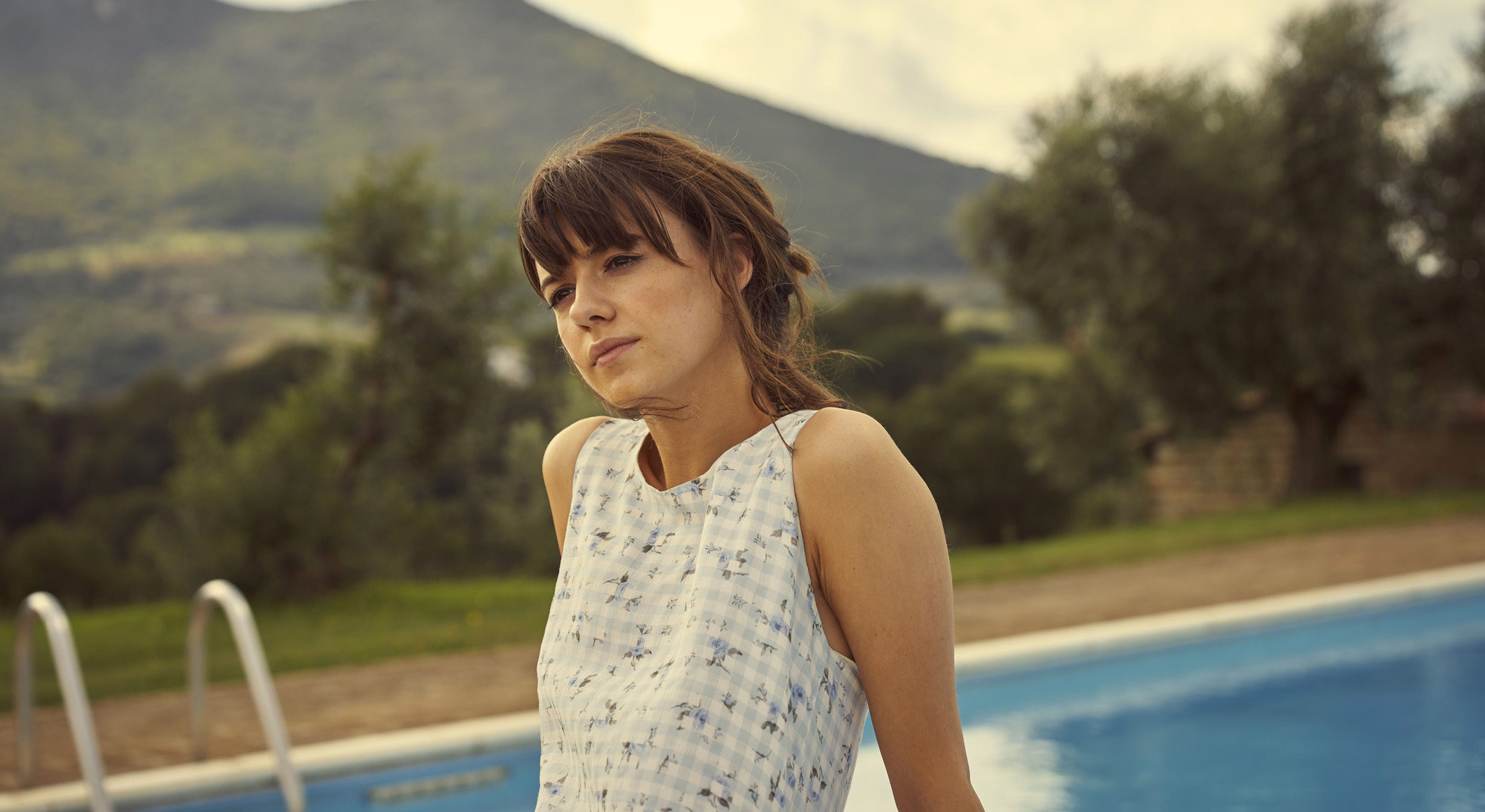 Por otro lado, señala que “con el trabajo de cámara, que a veces ofrece primeros planos, siempre se está presente con los protagonistas. Se siente como si estuvieses sentado justo a su lado, y se puede percibir su confusión mental. El lenguaje corporal, los gestos y la apariencia son todas partes fundamentales de la narrativa, así que fue importante que los espectadores pudieran ver esto en todo momento”.
“A veces sentíamos que la luz se iba disipando en las sombras y la oscuridad de algunas de las tomas en interiores, mientras que otras veces dejábamos que esto sucediera a fines estilísticos. Sin embargo, en otras oportunidades queríamos que se destacaran sus rostros, así que empleé el mezclador de canales en Resolve para restringir el rango del tono de piel. Si había demasiado verde o azul, podíamos controlar esos niveles mientras que, al mismo tiempo, nos asegurábamos de que la tez fuese natural y suave”, concluye Curran.
https://www.youtube.com/watch?v=x1JQuWxt3cE
Did you like this article?
Subscribe to our NEWSLETTER and you won't miss anything.
Related articles
 The Mexican series 'Somos Oro' (Amazon Prime), graded with DaVinci Resolve Studio
 The dramatic dystopia 'The Fortress' (Viaplay), graded with DaVinci Resolve Studio
 Spotify's new advertising campaign graded with DaVinci Resolve Studio
 ‘The Walking Dead: Daryl Dixon’, etalonada con DaVinci Resolve Studio
 Hideaki Anno's hit film, 'Shin Kamen Rider', graded with DaVinci Resolve Studio
 'Drive My Car', Oscar for Best Foreign Film, graded with DaVinci Resolve Studio
 ‘Don’t Call It Mystery’ (Fuji TV), etalonada con DaVinci Resolve Studio
 The 'Pagan Peak' series (Sky Deutschland) graded with DaVinci Resolve Studio
 'Don't look up' (Netflix), graded with DaVinci Resolve Studio
 ‘Red Alert’ (Netflix), graded with DaVinci Resolve Studio
 ‘The Green Knight’, etalonada con DaVinci Resolve Studio
 The third season of 'Brassic' (Sky), graded with DaVinci Resolve Studio
 'Gaey Wa'r', graded with Blackmagic Design's DaVinci Resolve Studio
 The ‘Please Tell Me I’m Adopted!’ series, edited and graded with DaVinci Resolve Studio