





Hideaki Anno's hit film, 'Shin Kamen Rider', graded with DaVinci Resolve Studio
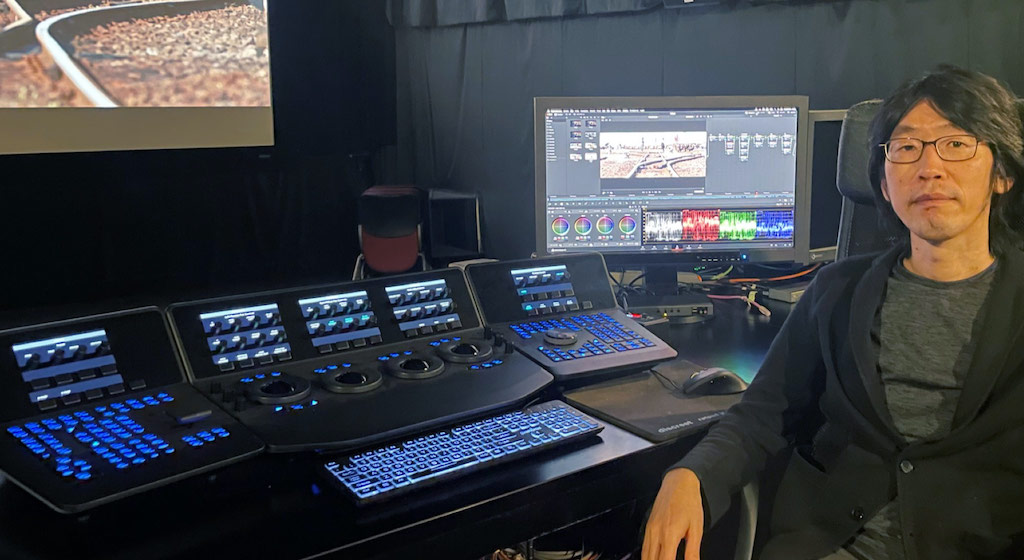
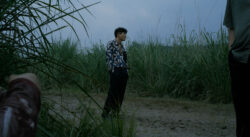
Los ajustes cromáticos de ‘Shin Kamen Rider’, la exitosa película de Hideaki Anno, se llevaron a cabo con DaVinci Resolve Studio (Blackmagic Design) y un dispositivo DaVinci Resolve Advanced Panel.
Seiji Saito, colorista y productor de intermedios digitales en DI Factory (Toho Studios), fue responsable de este proceso.
La película fue producida para conmemorar el quincuagésimo aniversario de Kamen Rider, la serie televisiva de superhéroes que se emite al aire desde 1971. La película se estrenó en marzo y se ha convertido en la más taquillera de todos los largometrajes de esta serie. Fue escrita y dirigida por Hideaki Anno, creador de animes y gran seguidor de la serie original, y está protagonizada por Sousuke Ikematsu, Minami Hamabe y Yu Emoto.
El largometraje se etalonó en DI Factory, una posproductora ubicada dentro de las instalaciones de Toho Studios en Tokio que cuenta con salas de proyección y un espacio exclusivo dedicado a servicios para la televisión y las plataformas de transmisión en línea. Dichos lugares incluyen equipos con el programa DaVinci Resolve Studio, así como dispositivos DaVinci Resolve Advanced Panel y DaVinci Resolve Micro Panel.
“En DI Factory, nos encargamos de todos los procesos audiovisuales, no solo la edición o el etalonaje. El hecho de estar ubicados en el estudio de grabación Toei nos permite verificar tomas de prueba y aconsejar sobre los colores del maquillaje y los trajes. También participamos de la producción de los largometrajes desde el comienzo. Empecé mi trayectoria profesional en una posproductora convencional, pero siempre quise estar más cerca del set. Diría que la forma en la que trabajo actualmente es casi ideal”, afirma Saito, quien ha colaborado con Hideaki Anno en las diversas películas de la serie, incluidas Shin Godzilla y Shin Ultraman, nuevas versiones de dichos programas televisivos con efectos especiales, así como en el largometraje de dibujos animados Shin Evangelion (Evangelion 3.0 + 1.0 Thrice Upon a Time)”.
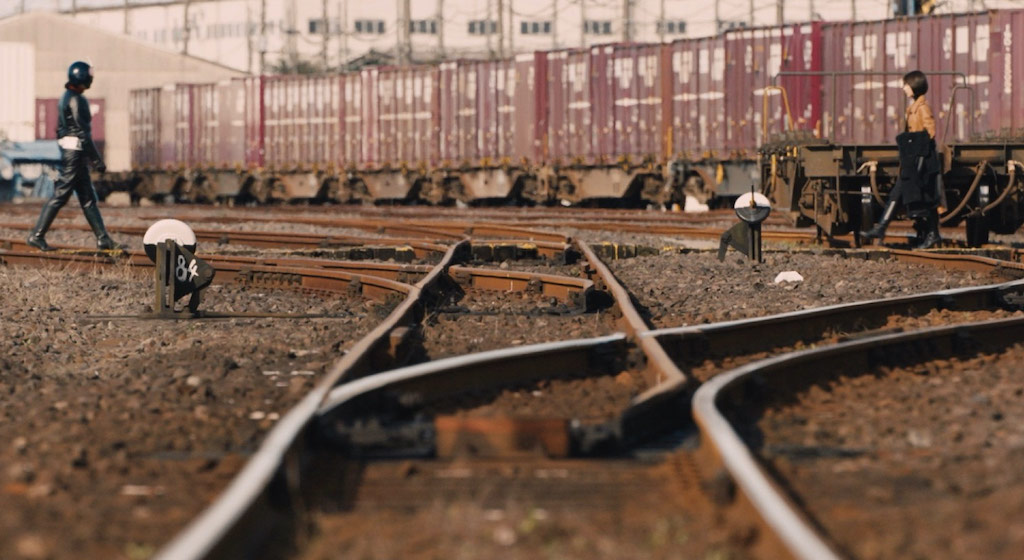
Por otra parte, Saito añade que “Anno-san nunca da el brazo a torcer con respecto a sus creaciones. Por ejemplo, trajo los cascos de Rider 1 y Rider 2 y me pidió que reprodujera los colores exactamente. Él también es un gran admirador de la serie original, de manera que intenté lograr esa sensación de nostalgia. El programa se filmaba en cintas de 16 mm, y la sensibilidad del celuloide en esa época era baja, por lo cual las escenas nocturnas resultaban oscuras y daban miedo. Además, muchas tomas incluían imágenes con sangre, a pesar de ser una serie de televisión para niños. Dado que la película rendía homenaje a esta serie, mi objetivo fue recrear esa apariencia sombría”.
Tanto en este largometraje como en los anteriores de la serie Shin se utilizaron diversos tipos de cámara. “La película se filmó en su totalidad con las distintas unidades disponibles en el estudio. Además, captamos ángulos particulares que solo se consiguen con cámaras pequeñas. Incluso cuando la producción ya se había puesto en marcha, continuaba recibiendo material adicional. Este no fue un largometraje creado de una manera convencional”, señala Saito.
Unificar el color
Por otro lado, agrega que “la ventaja de emplear DaVinci Resolve en este proyecto fue que pude unificar el color del material grabado con las distintas cámaras. A pesar de haber utilizado diferentes modelos, gracias a la transformación del espacio cromático pude usar los ajustes de la cámara principal como referencia. De esta forma, solo fue necesario crear una tabla de conversión. Cuando trabajé en Shin Godzilla y Shin Ultraman, tuve que lograr que los colores coincidieran a ojo, lo cual resultó ser sumamente complicado”.
Asimismo, Saito destacó la compatibilidad de DaVinci Resolve con diversos códecs. “Para mí, lo más importante de una herramienta de etalonaje es que admita el uso de las versiones más recientes de los archivos RAW”, expresa. “DaVinci Resolve siempre brinda rápidamente compatibilidad con nuevos formatos. Si no es posible importar el material grabado de la cámara, convertirlo requiere mucho tiempo y esfuerzo, además de duplicar el volumen de datos, lo cual conlleva un mayor espacio de almacenamiento. A su vez, la posibilidad de utilizar las imágenes captadas con las cámaras más nuevas hace que el proceso de etalonaje sea más eficiente”.
“En mi opinión, a los efectos de mejorar la calidad de una película, todos los procesos creativos, tales como el rodaje, la edición y la mezcla de sonido, deben llevarse a cabo de una manera coordinada. El etalonaje es uno de ellos. Como parte de Toho Studios, me gusta no solo contribuir como colorista, sino también interactuar con las diversas tecnologías empleadas en la producción de un largometraje, a fin de lograr una mayor calidad. Originalmente, DaVinci Resolve era un programa de etalonaje, pero ha evolucionado con el transcurso de los años, incorporando funciones para editar, generar efectos visuales y ajustar el audio. Ha sido sorprendente para quienes venimos utilizándolo desde hace tiempo, pero Blackmagic Design no se ciñe a conceptos preestablecidos y ha conseguido reunir varias herramientas en una misma aplicación, razón por la cual el programa es tan exitoso en todo el mundo. Nosotros como usuarios podemos aprovechar estas tecnologías siendo conscientes de su evolución más allá del paradigma actual. Con el desarrollo de la inteligencia artificial, habrá más posibilidades de optimizar las dinámicas de trabajos, y por este motivo creo que será esencial diversificar nuestras habilidades en el futuro”, concluye.
Did you like this article?
Subscribe to our NEWSLETTER and you won't miss anything.
Related articles
 Spotify's new advertising campaign graded with DaVinci Resolve Studio
 'The Worst Team in the World', Taika Waititi's latest film, graded with DaVinci Resolve
 Hideaki Anno’s hit movie ‘Shin Kamen Rider’ color-grades with DaVinci Resolve Studio
 The unusual film 'Something in the Dirt', graded with DaVinci Resolve
 ‘Shin Ultraman’, Hideaki Anno’s new film, uses DaVinci Resolve for data management
'Shin Ultraman', Hideaki Anno's new film, uses DaVinci Resolve in data management
‘Shin Ultraman’, Hideaki Anno’s new film, uses DaVinci Resolve for data management
'Shin Ultraman', Hideaki Anno's new film, uses DaVinci Resolve in data management
 'Drive My Car', Oscar for Best Foreign Film, graded with DaVinci Resolve Studio
 ‘Don’t Call It Mystery’ (Fuji TV), etalonada con DaVinci Resolve Studio
 'Don't look up' (Netflix), graded with DaVinci Resolve Studio
 ‘Red Alert’ (Netflix), graded with DaVinci Resolve Studio
 ‘The Green Knight’, etalonada con DaVinci Resolve Studio
 The third season of 'Brassic' (Sky), graded with DaVinci Resolve Studio
 'Gaey Wa'r', graded with Blackmagic Design's DaVinci Resolve Studio
 The ‘Please Tell Me I’m Adopted!’ series, edited and graded with DaVinci Resolve Studio