





James Cameron's Lightstorm Entertainment uses Blackmagic equipment in 'Avatar' sequels
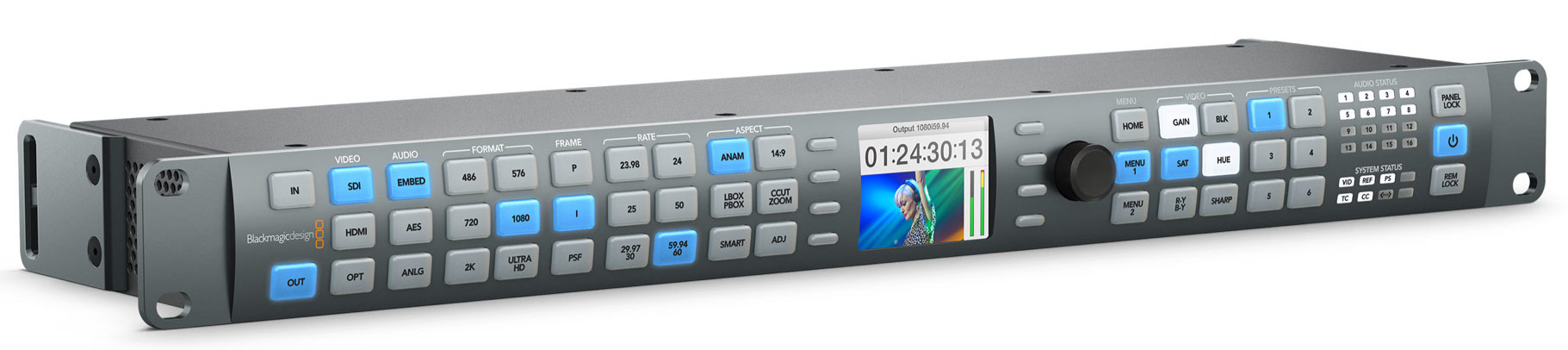
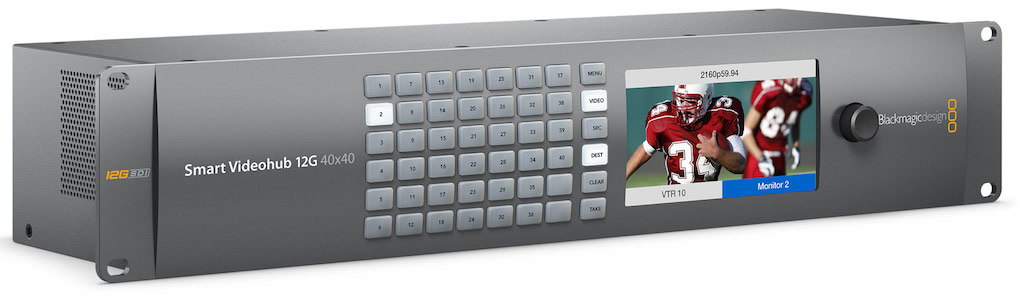
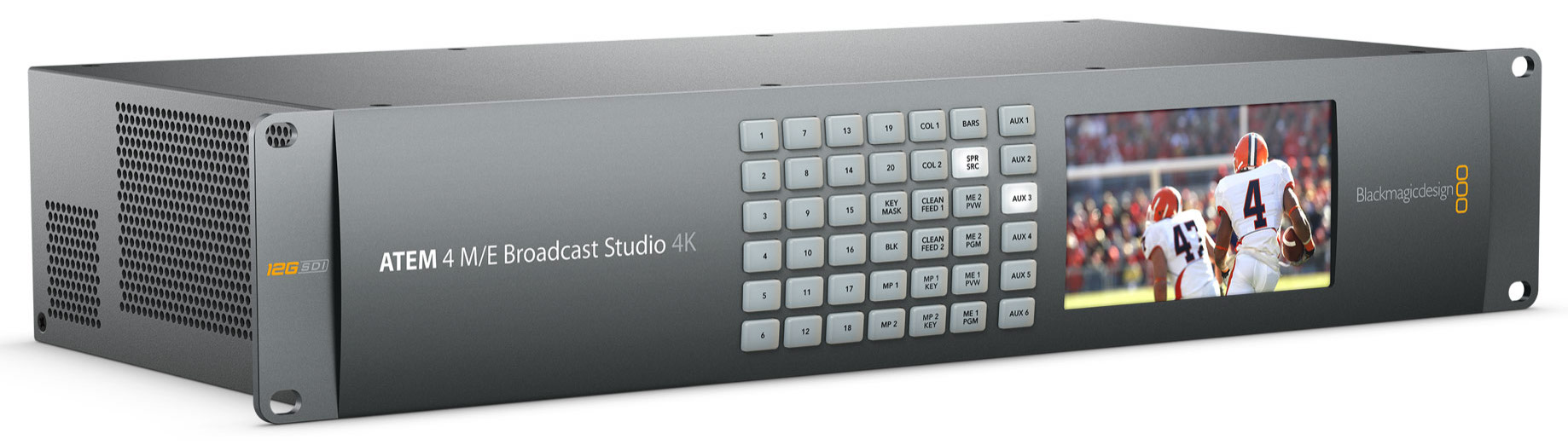
El conversor Teranex AV, la matriz Smart Videohub 40×40 12G y el mezclador ATEM 4 M/E Broadcast Studio, juegan un papel clave en la producción de las secuelas de la película de Cameron.
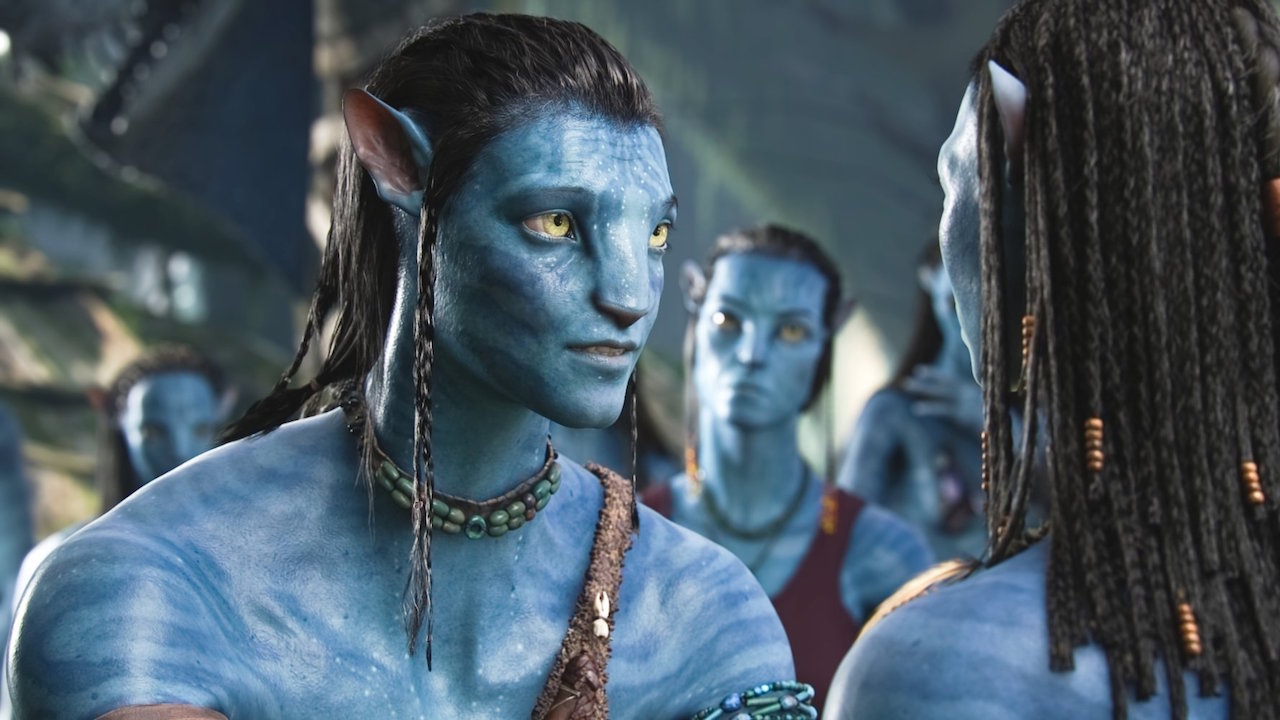
Lightstorm Entertainment, productora encabezada por James Cameron, ha empleado una amplia variedad de soluciones de Blackmagic Design, tales como el conversor Teranex AV, the matriz Smart Videohub 40×40 12G and the mixer ATEM 4 M/E Broadcast Studio, en su reciente proyecto durante la producción de las secuelas de la película Avatar.
Reconocida por sus técnicas cinematográficas avanzadas desde sus inicios y está siempre a la vanguardia de las nuevas tecnologías, entre los títulos de la productora encontramos films como Terminator, The Abyss y Titanic. En todos sus trabajos nuna ha permitido que limitaciones tecnológicas impidieran la posibilidad de contar historias extraordinarias.
Con el estreno de Avatar en 2009, la compañía demostró una vez más que no había restricciones en el arte del cine. Los resultados fueron asombrosos, y el público estuvo de acuerdo. El largometraje recaudó más de 2.000 millones de dólares en todo el mundo, y anunció la posibilidad de múltiples secuelas.
Sin embargo, al igual que la historia de Na’vi continuará con las secuelas, también lo hará la tecnología detrás de cámara. Un elemento esencial es la posibilidad de evaluar el contenido que se graba, en vez de tener que esperar a la etapa de posproducción.
 Geoff Burdick, vicepresidente de servicios y tecnologías de producción para Lightstorm Entertainment, comenta que “supervisamos las señales provenientes de las cámaras al instante, lo más parecido a la experiencia de cine posible. De este modo, podemos tomar decisiones en tiempo real en el set”.
“Esto ahorra mucho tiempo durante el rodaje y beneficia a Weta Digital, nuestro proveedor de efectos visuales. Además, ayuda a simplificar los procesos de posproducción y masterización”, añade.
Esto requirió tener que visualizar las señales en directo desde sistemas de cámaras 3D en simultáneo. “En el pasado, veíamos y reproducíamos el material en HD 3D a 24 f/s”, añade Burdick. “Ahora, lo capturamos en 4K 3D y los enviamos a distintas resoluciones y frecuencias de imagen”. Estas incluyen 3D a 24 o 48 f/s en 2K y 4K, y a 24 f/s en HD.
Gran compatibilidad
Blackmagic Design ofreció un conjunto de productos único e integral, el cual permitió crear distintas soluciones en todo el proyecto. “Fue todo un desafío para nuestro equipo técnico desarrollar un sistema de señales que habilitaran esta dinámica de trabajo”, continua Burdick. “No muchas empresas han incorporado este tipo de compatibilidad en sus productos. Afortunadamente, Blackmagic Design tomó riendas en el asunto”.
La clave de esta dinámica fue crear un método impecable de visualización y reproducción de los contenidos, a pesar de la cantidad impresionante de información necesaria. “Al incorporar nuevos formatos y técnicas, es esencial que no ocasionemos una demora o interrupción en ningún departamento”, explica Burdick.
Tener la posibilidad de revisar múltiples resoluciones y frecuencias de imagen en tiempo real permitió al equipo estar al tanto de distintos problemas que antes pasaban desapercibidos, y solo se detectaban en posproducción. “Esto es muy importante a medida que empezamos a rodar en resoluciones, frecuencias de imagen y rango dinámicos más altos, con objetivos que procesan detalles a los que no estamos acostumbrados ver y con tecnología en proyectores capaces de mostrar todo esto y más a aquellos espectadores exigentes”.
Un rol fundamental
A pesar de que Blackmagic Design ha tenido un rol fundamental en muchas etapas, uno de sus productos más simples se volvió el caballo de batalla en la producción. “El Teranex AV, aunque parece ser un equipo común y corriente, hizo gran parte del trabajo pesado por nosotros”, destacan desde el equipo de Lightstorm. La línea de dispositivos Teranex nos dio la posibilidad de emplear una dinámica de trabajo híbrida HD a 24 y 48 fps en el set. “Sin estos equipos, no habría sido posible llevar a cabo las conversiones en tiempo real y las transformaciones de imágenes que requiere nuestro proceso. Pudimos ver lo que era posible hacer con mucha rapidez gracias al hecho de tener la oportunidad de mezclar y combinar partes clave de equipos y tener compatibilidad con formatos poco comunes en diferentes dispositivos en toda la línea de productos a lo largo del proceso de investigación y desarrollo, y producción”.
En definitiva, ¿cómo afectó esto a la producción? De ninguna manera, lo cual fue el objetivo desde un inicio. “Al final del proceso, estas tecnologías eran invisibles para el equipo creativo en el set”, reconoce Burdick.
Did you like this article?
Subscribe to our NEWSLETTER and you won't miss anything.
Related articles
 Grader Siggy Ferstl Supports 'Avatar: The Last Airbender' VFX Teams with DaVinci Resolve
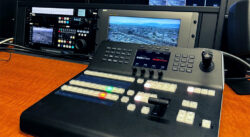 Goolight renews its broadcast infrastructure with UHD equipment from Blackmagic
 Blackmagic, omnipresent in the filming and post-production of 'Avatar: The Sense of Water'
 PGL uses Blackmagic solutions in its eSports productions
 The video clip of Sigala and James Arthur shot in Blackmagic RAW
 CNN emplea la tecnología de Blackmagic en su emisión en Facebook Watch
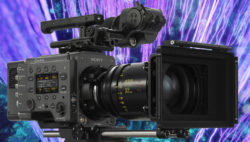 James Cameron to shoot 'Avatar' sequels with Sony's Venice camera
 James Cameron renews exclusive technology collaboration agreement with Christie
 U-17 World Cup uses Blackmagic ATEM 4K switchers
 Autodesk, Lightstorm Entertainment and Weta Digital seal an alliance
 James Cameron films the Mariana Trench with RED Epic 5K
 James Cameron's strategic agreement with Christie
 James Cameron and Vince Pace join forces with Grass Valley to promote 3D
 Panasonic teams up with James Cameron to promote its line of Full HD 3D televisions