





The horror film 'The Cleansing Hour' used Blackmagic cameras, ATEM mixers, converters and DaVinci Resolve
Con un largometraje cuyo argumento principal ronda en torno a una transmisión por Internet, el director Damien LeVeck confió en los equipos de Blackmagic Design para crear el sistema audiovisual complejo que lidera la historia.
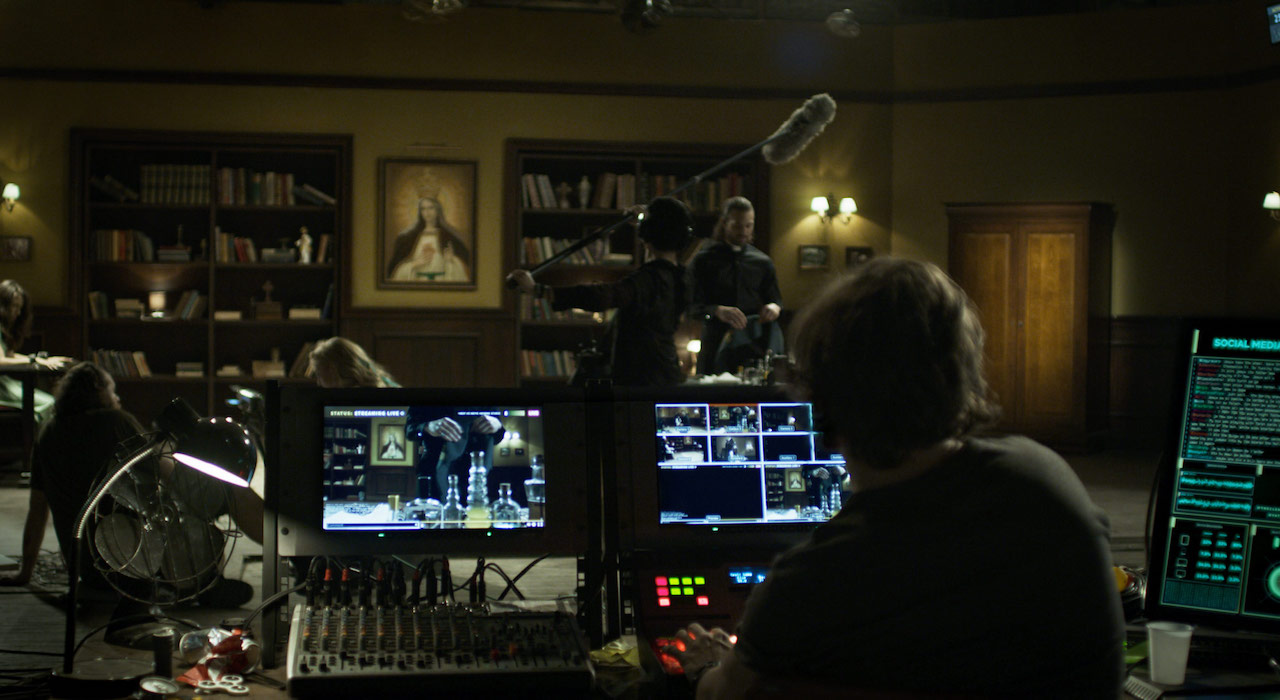
The Cleansing Hour, película protagonizada por Ryan Guzman, Kyle Gallner y Alix Angelis, empleó cameras, mixers ATEM y conversores of Blackmagic Design para llevar a cabo su producción, así como el programa DaVinci Resolve Studio durante la etapa de posproducción, a fin de crear un show exclusivo dentro de una película de terror.
Los empresarios mileniales Drew y Max están a cargo de una transmisión por Internet muy popular sobre exorcismos en directo. Sin embargo, las actuaciones son de hecho una burla total. Los dos reciben su merecido cuando a su nueva actriz la posee misteriosamente un demonio real que tiene a todo el equipo de rehén. La película se estrenó por Internet el 8 de octubre en el canal Shudder.
El concepto se originó a partir de la experiencia del director Damien LeVeck en el ámbito de los reality show. “He observado que cuando la gente ve un video en Internet, especialmente si son de baja calidad, automáticamente piensa que es más realista. Y esto fue durante un periodo en el que se publicaban cada vez cosas más extravagantes en Facebook, solo en busca de atención. Entonces, me pregunté: ¿ Qué pasaría si alguien quiere engañar a la audiencia con exorcismos y luego se ven obligados a lidiar con uno verdadero?”
Con un largometraje cuyo argumento principal ronda en torno a una transmisión por Internet, LeVeck confió en los equipos de Blackmagic Design para crear el sistema audiovisual complejo que lidera la historia. Mientras que los personajes luchan por controlar los elementos endemoniados que afectan su emisión, las pantallas de la cámara mostraban la acción en tiempo real. LeVeck utilizó los modelos Blackmagic Micro Studio Camera para capturar imágenes de alta calidad, sabiendo que dicho material combinaría perfectamente con la fotografía de la primera unidad.
“El desafío más grande fue rodar una película sobre dos chicos que están haciendo un programa en una sola habitación, pero que igualmente tuviese cierto interés”, afirma LeVeck. “La cobertura siempre fue todo un reto, ya que había cámaras apuntando en todas las direcciones”.
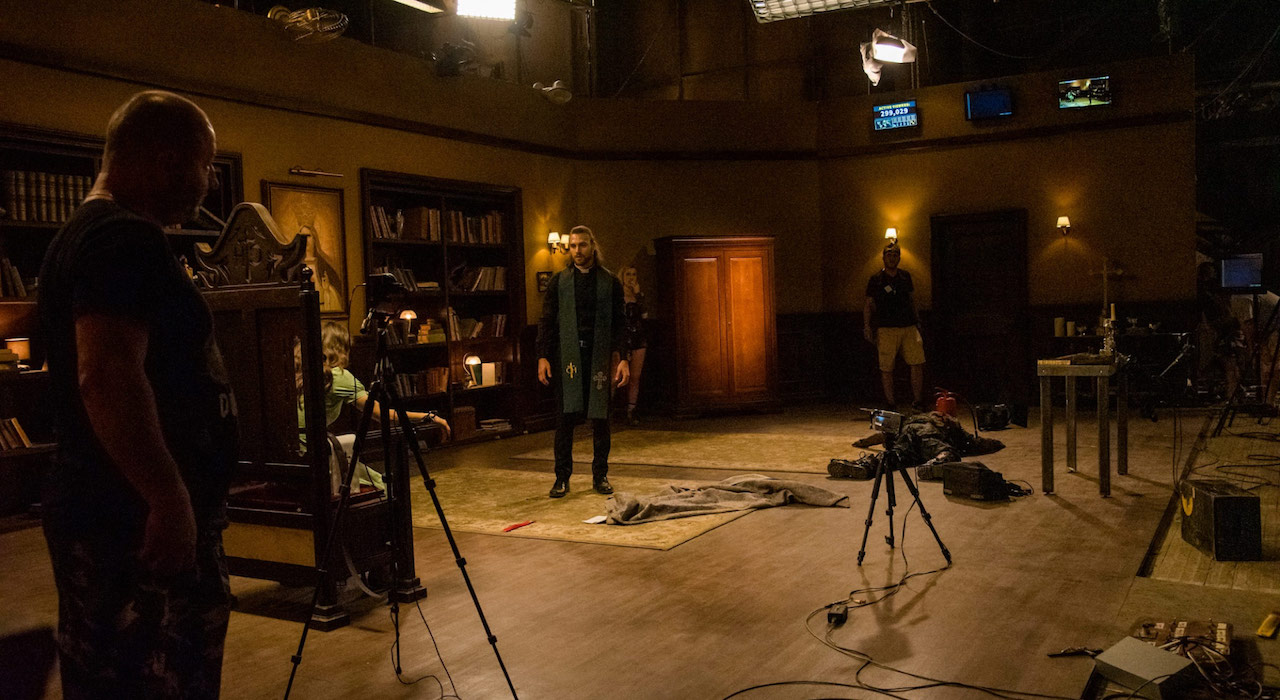
Blackmagic Micro Studio Camera
Al contar con cámaras activas cuyas señales se enviaban directamente a los monitores, la unidad principal debía permanecer fuera del encuadre mientras que al mismo tiempo captaba toda la acción. LeVeck eligió el modelo Blackmagic Micro Studio Camera debido a su tamaño compacto y a su compatibilidad con distintos tipos de objetivos. “Nos gustó que las unidades Micro Studio Camera funcionaran bastante bien en condiciones de poca luz. Desde un punto de vista creativo, decidimos que el set fuera oscuro, por lo que este modelo nos permitió obtener imágenes de muy buena calidad”.
Las cámaras se conectaban al mezclador ATEM Television Studio Pro HD, y este a los monitores en el set. “Realmente apreciamos que pudiéramos controlar las unidades desde el mezclador, lo que nos permitió crear un estudio dentro del set a un precio relativamente bajo”. Además, el set de producción donde la acción se lleva a cabo se creó con equipos adicionales, tales como dos monitores SmartView 4K para visualizar múltiples señales provenientes del mezclador, y dos conversores Teranex AV, los cuales permitían procesar otras señales analógicas provenientes del ATEM. Incluso se emplearon varios dispositivos Micro Converter a fin de modificar las señales recibidas y transmitidas por los monitores.
Con el sistema audiovisual desarrollado en torno a productos de Blackmagic, LeVeck se enfrentó al desafío de crear la película con un presupuesto acotado y un plazo limitado.
“Tuvimos muchos obstáculos al rodar esta película. El principal fue el plazo sumamente justo. Nos tuvimos que mover rápido; realmente no podíamos perder tiempo debido a que todos los días había una combinación diferente de efectos especiales, maquillaje, dobles de riesgo y pirotecnia, cuya preparación lleva mucho tiempo. Fue todo un desafío logístico grabar todo a tiempo y de manera creativa”, añade LeVeck.
Debido a que la historia dependía de la realidad de los personajes trabajando en un estudio de grabación real, LeVeck estaba feliz de que se tratara de un set verdadero y no de utilería. “Debido a que todas las cámaras y los equipos de Blackmagic en el set estaban en funcionamiento, Kyle Gallner (Drew) tuvo la posibilidad de interactuar directamente con el mezclador ATEM para alternar entre fuentes y reproducir gráficos”. Contar con un set tangible y real lo ayudó muchísimo a fin de lograr una actuación más auténtica y natural.
Una vez que se completó la fotografía principal, LeVeck y su equipo confiaron en DaVinci Resolve Studio para el acabado. “Fue una experiencia extraordinaria. Resolve es un programa fenomenal para crear la estética y el estilo de la película terminada mientras se trabaja con agilidad y eficiencia”, reconoce
El equipo utilizó las herramientas de colaboración que ofrece Resolve a fin de lograr procesos más eficientes. “Lo primero y más importante fue que llevamos a cabo el conformado sin inconveniente. Usamos un sistema con Resolve en mi oficina, y gracias a una dinámica de trabajo compartida, había dos editores conformando cintas al mismo tiempo. Tenían la posibilidad de trabajar en el mismo proyecto en simultáneo”.
Una vez que se finalizó el conformado de manera interna, el proyecto de DaVinci Resolve Studio pasó a manos de Banana Post en Burbank. donde el colorista Chad Mumford creó la estética final en tres semanas, todo dentro del mismo programa. El director de fotografía Jean-Philippe Bernier aportó una variedad de imágenes fijas de otros proyectos con apariencias que quería simular en distintas partes de la película. Mumford importó dicho contenido y lo usó como capas superpuestas al etalonaje. “Bernier se inspiró en una escena en particular de SE7EN, de David Fincher, en la cual se observa una caída rápida de las sombras y negros con sutiles tonalidades verdes”, comenta Mumford. “Nada supera a un colorista que puede traer esas imágenes a un proyecto y compararlas directamente con los ajustes cromáticos”.
Mumford aplicó una técnica favorita en la fotografía oscura y siniestra of The Cleansing Hour. “Personalmente, emulo el formato en cinta cuando etalono. Uno de los complementos que logramos incorporar al proyecto fue FilmConvertPro. Hicimos una selección de luminancia para los negros profundos, utilizamos FilmConvert para añadir granulosidad y luego invertimos la selección. Esto es bastante aparente en la escena en la que las luces del escenario queman a Max (el cura). Nos divertimos mucho experimentando con la granulosidad y las herramientas de selección HSL y máscaras en Resolve, lo que hizo posible crear una estética cinematográfica sutil y única”.
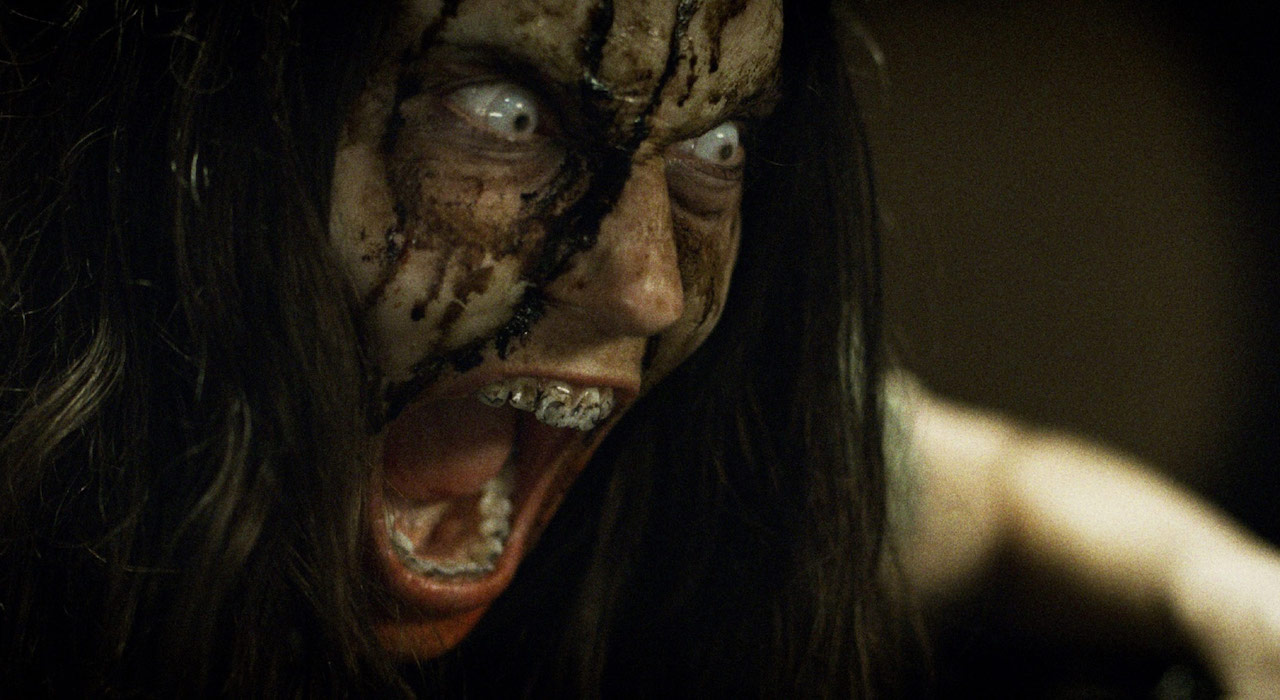
Más de 400 efectos visuales
Con más de 400 efectos visuales rodados para el largometraje, Mumford y LeVeck tuvieron que usar todas las herramientas disponibles para sortear múltiples desafíos durante el proceso de finalización del proyecto, todo en pos de resaltar lo aterrador de la película. “Si me pongo a reflexionar, el desafío creativo que más recuerdo es el etalonaje del monstruo que se devela al final», expresó Mumford. «Las venas de esta criatura fueron modificadas en el módulo Color para que parecieran como lava en ebullición. Fue una de las tomas probablemente con más nodos que he utilizado en mi vida”. LeVeck subraya además que “quedó espectacular”.
Al final, el proceso fue complejo, pero valió la pena. “La película fue un desafío técnico increíble, simplemente por todo el set y las pantallas en que las que se reproducían distintos contenidos, específicos para dicho momento en la historia. Además, había un montón de efectos visuales y de maquillaje. Más que nada, el desafío fue el plazo que teníamos para terminar todo. Pero a pesar de esto, fue el proyecto en el que más me divertí en mi vida, y espero poder repetirlo pronto”, concluye LeVeck.
https://www.youtube.com/watch?v=mUGfkayica4
Did you like this article?
Subscribe to our NEWSLETTER and you won't miss anything.
Related articles
 Castaic launches a 100% Blackmagic studio: URSA Broadcast G2 cameras, ATEM mixers...
 DaVinci's neural engine, at the service of the horror film 'Zombie Repellant'
 The space terror of 'Alien: Romulus' multiplies its impact with DaVinci Resolve Studio
 Blackmagic updates ATEM Constellation 8K (9.3.3.), DaVinci Resolve (18.6.6) and Cloud Store (1.2)
Blackmagic actualiza ATEM Constellation 8K (9.3.3.), DaVinci Resolve (18.6.6) y Cloud Store (1.2)
Blackmagic updates ATEM Constellation 8K (9.3.3.), DaVinci Resolve (18.6.6) and Cloud Store (1.2)
Blackmagic actualiza ATEM Constellation 8K (9.3.3.), DaVinci Resolve (18.6.6) y Cloud Store (1.2)
 The macabre terror of 'Saw X' multiplies its viscerality with DaVinci Resolve
 '1 For All' relies on Blackmagic Design and DaVinci Resolve cameras
 Blackmagic reinforces the range of ATEM mixers with new 3G SDI solutions
 Award-winning low-budget film 'The Land' used Blackmagic cameras
 Blackmagic Design Solutions Bring Horror Movie 'Alone With You' to Life
 South Africa's Rocking the Daisies Festival Used Ursa Broadcast Cameras and ATEM Constellation 8K Switchers
 Oscar winner Claudio Miranda trusts DaVinci Resolve Studio and DaVinci Resolve Mini Panel from Blackmagic
 U-17 World Cup uses Blackmagic ATEM 4K switchers
 Blackmagic updates its ATEM production switchers